

ENERGY SCIENCE
Full-Text Link to Primary Source
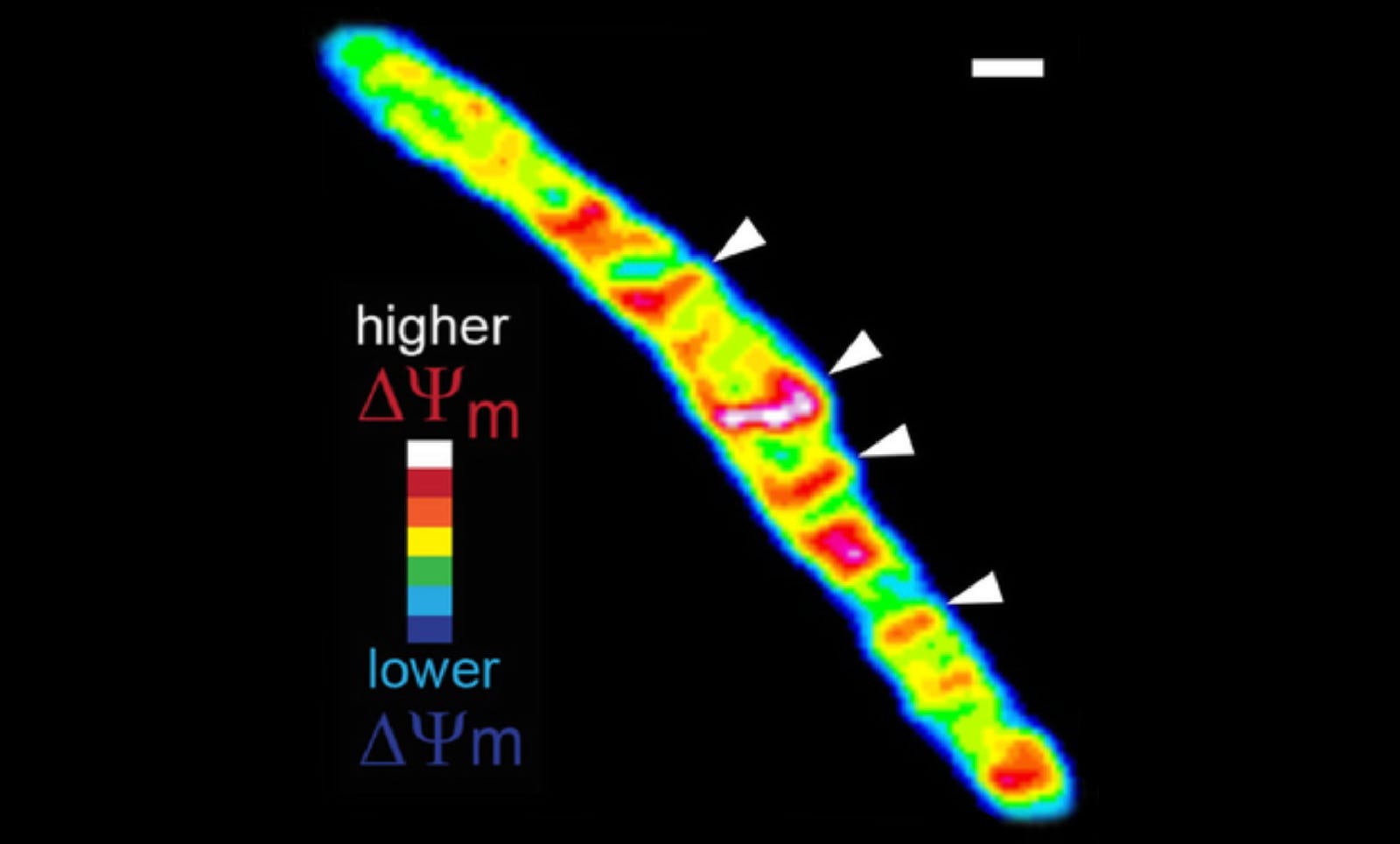
Healing, at the biological level, requires cells to change, move, and rebuild functioning tissue in a dance coordinated in space and time. I have been deeply interested in how biophysical signals help guide that process, and how learning to read and influence them could open new possibilities for health.
Previously, we explored what we miss when we study only molecules and the importance of understanding how energy, in many different forms, shapes our biology.
In this post, we explore how energy in the form of mechanical, gravitational forces, electricity, and light help shape the body….and what their roles in development and healing could mean for our health.
How Does the Body Coordinate Healing?
Think about the last time you had a paper cut or scraped your knee. Wound closure is familiar enough that we rarely stop to think about what is actually happening underneath the hood. Beneath that small injury, a beautifully orchestrated dance unfolded. Your cells detected and signalled damage, cleared a bunch of injured material, moved into the wound, and rebuilt new tissue. That dynamic coordination required a continuous supply and transformation of energy.
It’s not something that any individual cell can do alone. So, how do cells work together to accomplish this? How do they rebuild a functioning tissue and recognize when the work is complete?
These questions become especially important when healing goes wrong. A wound may remain open, or repair may produce scar tissue without fully restoring its original function. In fact, tumors are often called “wounds that do not heal.” Cancer can co-opt growth, inflammation, and remodelling mechanisms typically involved in “healthy” repair processes. Regeneration and cancer can then be viewed as two sides of the same energetic and signaling processes. They use overlapping cellular programs, with profoundly different consequences for the organism.
As a biophysicist, I’ve been interested in understanding how the physical microenvironment, energy-dependent activities, and non-chemical information exchanged between cells contribute to these different outcomes. What physical signals coordinate this collective, and can we influence it?
Healing Takes Place in a Physical Environment
Living tissues continually transform energy. Chemical reactions supply the energy cells need to maintain electrical gradients, generate force, and build new structures. Mitochondria participate in these transformations and in signalling processes, beyond just by supplying ATP to provide important cues that are important for movement, growth, and survival.
We can see this in the heart and blood vessels. Mechanical stress from flowing blood and stretching tissue affect how mitochondria transform energy. When these forces become excessive or abnormal, they can disrupt mitochondrial activity and contribute to cell damage or death. This highlights how physical signals acting on a tissue can reach mitochondria and have energetic consequences.
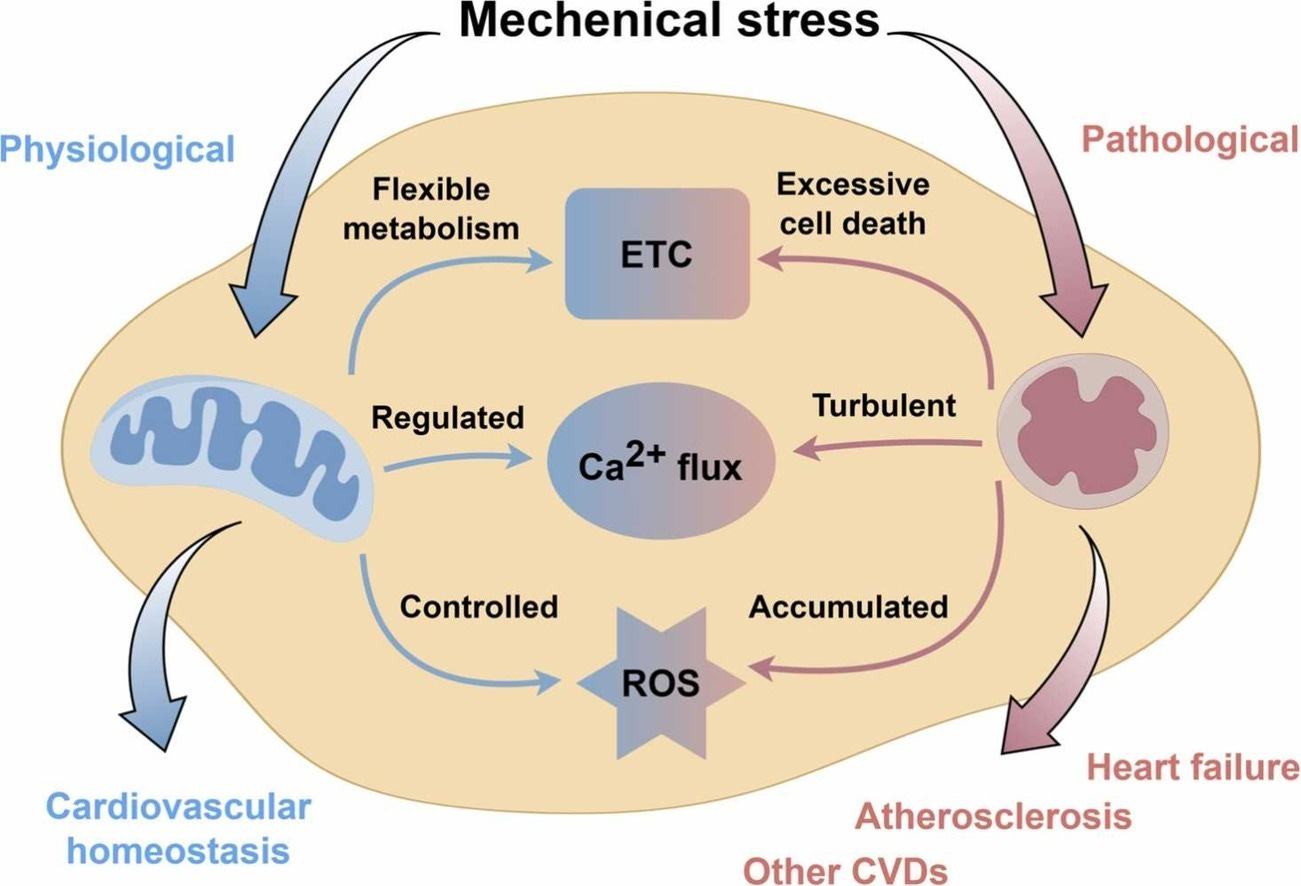
In our 2024 review, led by our two wonderful graduate students, Solsa Cariba and Sawi Abeygunawardena, we examined how physical signals can act like switches to steer cell behaviour toward organized tissue formation during regeneration or contribute to the disrupted tissue architecture seen in cancer.
The physical microenvironment surrounding cells is continually being altered by the cells themselves. Cells pull on the extracellular matrix (the protein network that supports tissues), deposit new material, and modify local chemical and electrical conditions. These activities change the cues that they and their neighbours receive.

The Capacity to Change and the Coordination to Heal
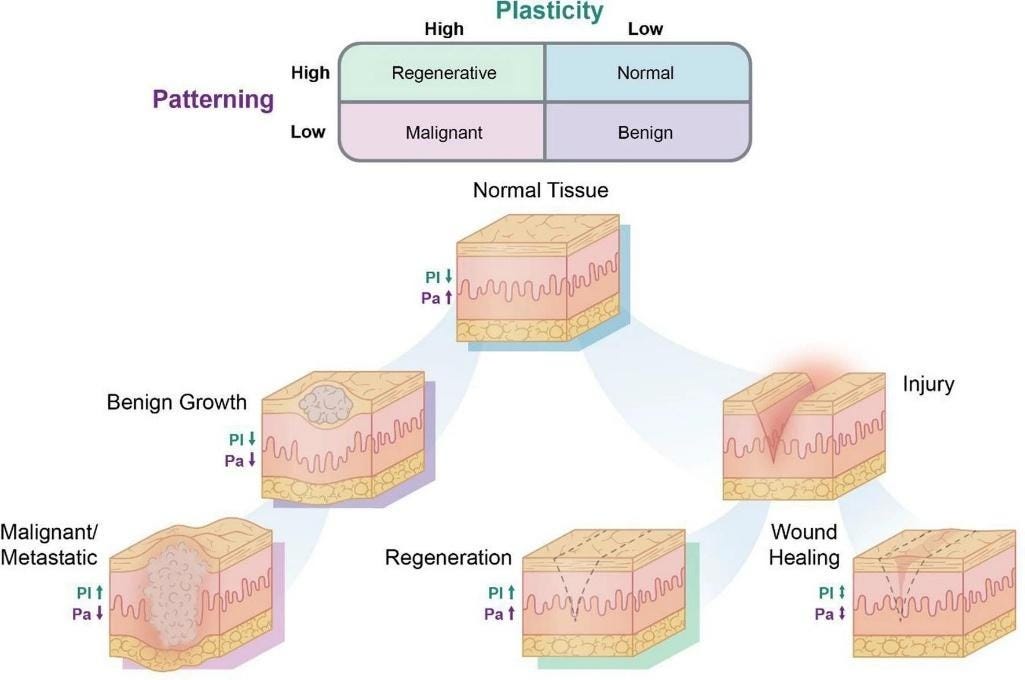
Healing depends on cells being able to change while remaining coordinated with the tissue around them. This is why in our review, we focused on plasticity and patterning. Biophysics helps us understand how the physical environment and communication between cells guide both processes.
Plasticity describes how readily a cell can change its behavior or identity in a changing environment. Stem cells are a familiar example. They can become different cell types (differentiate) depending on their developmental stage and the cues they receive.
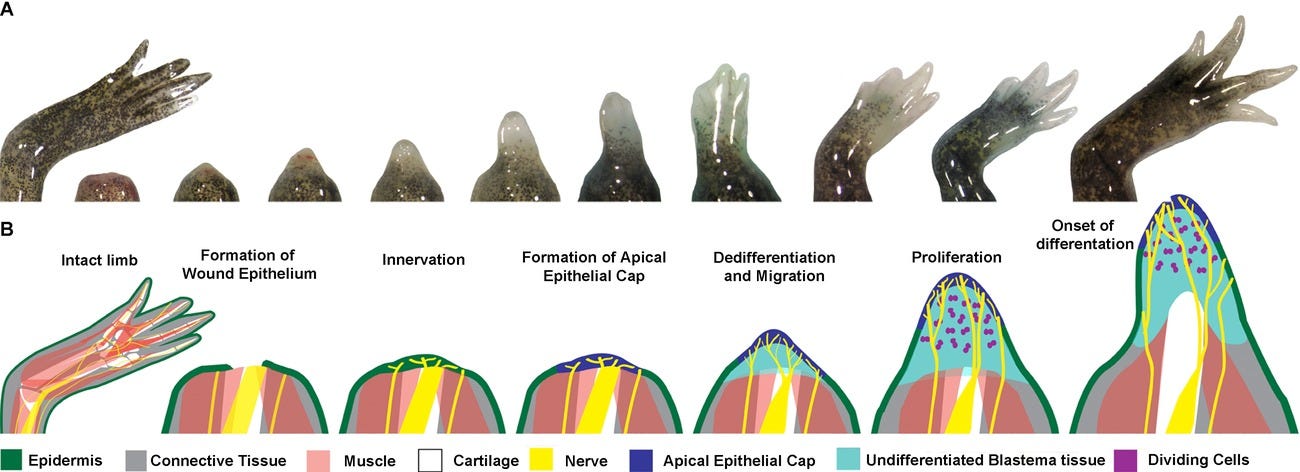
During limb regeneration in an aquatic salamander called an axolotl, some mature cells become less specialized before contributing to new tissue. Our liver restores lost mass mainly by prompting existing cells to grow and divide. These two scenarios show that recovery may leverage different strategies.
Successful repair also requires patterning, the organization of cells into a functioning structure. Regrowing a limb requires bone, muscle, nerves, and blood vessels to form and connect in the right places and at the right time. The physical landscape helps guide this organization through tissue stiffness, mechanical tension, and bioelectric cues that cells sense and respond to.
Cancer cells can also be highly plastic, changing their behavior to survive, invade, or resist treatment. Yet this flexibility often disrupts the organization that allows a tissue to function. As the figure below illustrates, plasticity can support very different outcomes depending on how cellular activity is coordinated.
Cancer and regeneration draw on overlapping molecules and biological programs, but they differ in how those programs are regulated - two sides of the same coin. The physical environment and communication between cells help shape whether energy-dependent growth rebuilds a functioning structure or contributes to disease.
How Cells and Tissues Sense Physical Cues
With an energy-centric framework, we can ask how cells transform energy and use physical cues to coordinate healing. For a signal to affect a living system, cells must first sense it and translate it into a response.
There are multiple biophysical signalling modalities with different mechanisms that connect them to cellular behaviour. In the figure below, we show how these physical inputs become information that cells can act on, influencing plasticity and patterning.
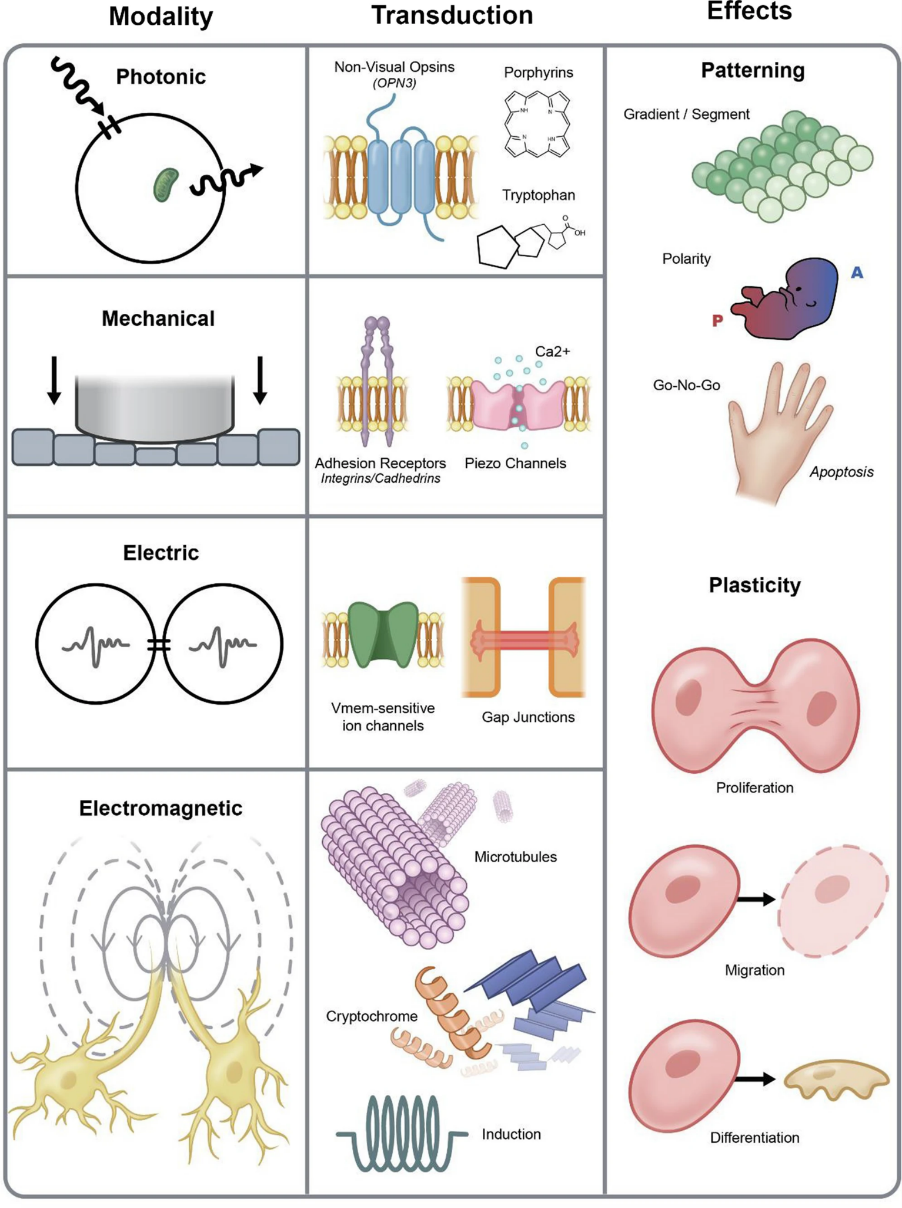
Mechanical sensing offers a clear example. Cells respond to stretching and pressure through attachments that connect the surrounding tissue to their internal scaffolding. Forces transmitted through these connections can change biochemical signaling and gene activity. As cells pull on their surroundings, they also generate forces that neighboring cells can sense, providing a physical route of communication.
Cells are also electrical. The movement and uneven distribution of charged ions across their membranes create voltage differences that are maintained through energy-dependent processes. Changes in these voltages can influence cell behavior, tissue patterning, and whole-organism physiology. Connections between neighboring cells allow ions and small molecules to pass between them, linking individual responses across a tissue.
Light interacts with tissue when photoactive molecules absorb its energy and convert it into biochemical or electrical signals. Fresh on the heels of the 2026 Nobel Prize in Physiology or Medicine, optogenetics offers a remarkable example of this process, showing how light acting on a single type of protein can trigger neural activity. This ability to control selected neurons with light has transformed how we study the brain.
Depending on its wavelength and dose, absorbed light can also affect cellular chemistry, including reactions associated with mitochondrial energy transformation and signaling (more on this later!). This connects the physical energy reaching a cell with the biochemical processes that shape its activity.
Your cells and whole body can respond to mechanical, electrical, light, and other forces, using different mechanisms to translate physical inputs into cellular responses, and we’re just starting to understand this langauge of physics.
Physical Cues Reach the Machinery of Energy Transformation
A recent study provides a beautiful example of how physical information can influence what happens deep within our cells.
Earlier this year, researchers reported that gravitational and mechanical forces influence mitochondrial translation—the process by which mitochondria use their own DNA to make proteins.
Their research showed that mitochondrial translation decreased in mammalian cells and tiny roundworms called C. elegans when they were exposed to a low-gravity environment.
As they dug deeper, the researchers uncovered that the effects they saw occurred as a result of a reduction in mechanical signaling.
It’s common to think about cells in isolation, but in a living tissue, cells are connected to the extracellular matrix and other surrounding cells by proteins called integrins that span the cell membrane.
In the extracellular matrix, proteins called laminins provide structure. Interactions between integrins and laminins keep cells where they are supposed to be and can trigger signaling pathways within the cell.
Under normal conditions, the downward pull of gravity provides mechanical signals to cells through these laminin-integrin interactions we described earlier. But when gravity is reduced, the mechanical signaling is reduced too, affecting downstream pathways.
In the case of this study, the downstream pathways ultimately influenced mitochondrial translation.
Taking a step back, this means that gravity doesn’t just act on bones, muscles, and body at scales we can see. It can have impacts all the way down to the scale of protein production in our mitochondria. It also means that physical conditions outside an organelle can affect activity within it.
These findings add yet another interesting biophysical and energetic dimension to mitochondria. They don’t only maintain an electrochemical gradient across their inner membranes and transform energy. Mitochondria also respond to mechanical signals and are relevant for the physical state of a cell or tissue.
The relevance to healing is a question for further experiments, and multiple studies have shown that mitochondria play a role in wound healing. For example, mitochondrial fragmentation may accelerate wound healing.

This further supports that mitochondrial biology belongs within an account of the physical environment within our tissues, especially when cells must adjust their activities and energetic demands during repair.
From Reading Tissue States to Influencing Them
We described how physical signals can impact biology. But physical signals may also tell us about the underlying biological and energetic states of cells and tissues. Unique signals may communicate particular aspects of health and disease.
This brings us to a question that I am very interested in.
Can we measure biophysical signals, perturb them, and influence tissue behavior to drive it towards a state of better health?
With emerging bioengineering tools, this appears to be possible.
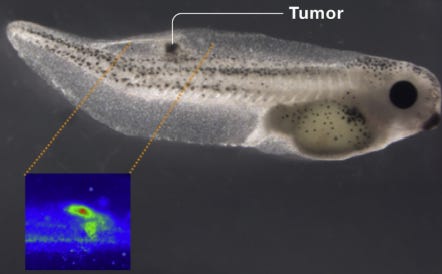
An earlier study, led by my postdoc advisor Mike Levin, showed that altering the electrical state of cells using charged hydrogen ions could help trigger the regeneration of an amputated tail in tadpoles. They found that the electrical signals alone could start the process of regrowth, which produced a new tail with correctly patterned nerve tissues.
Other studies have shown that the physical properties of the tissues matter for regeneration too. For example, recreating the mechanical stiffness of healthy muscle within a bioengineered hydrogel can influence how muscle stem cells involved in repair behave.
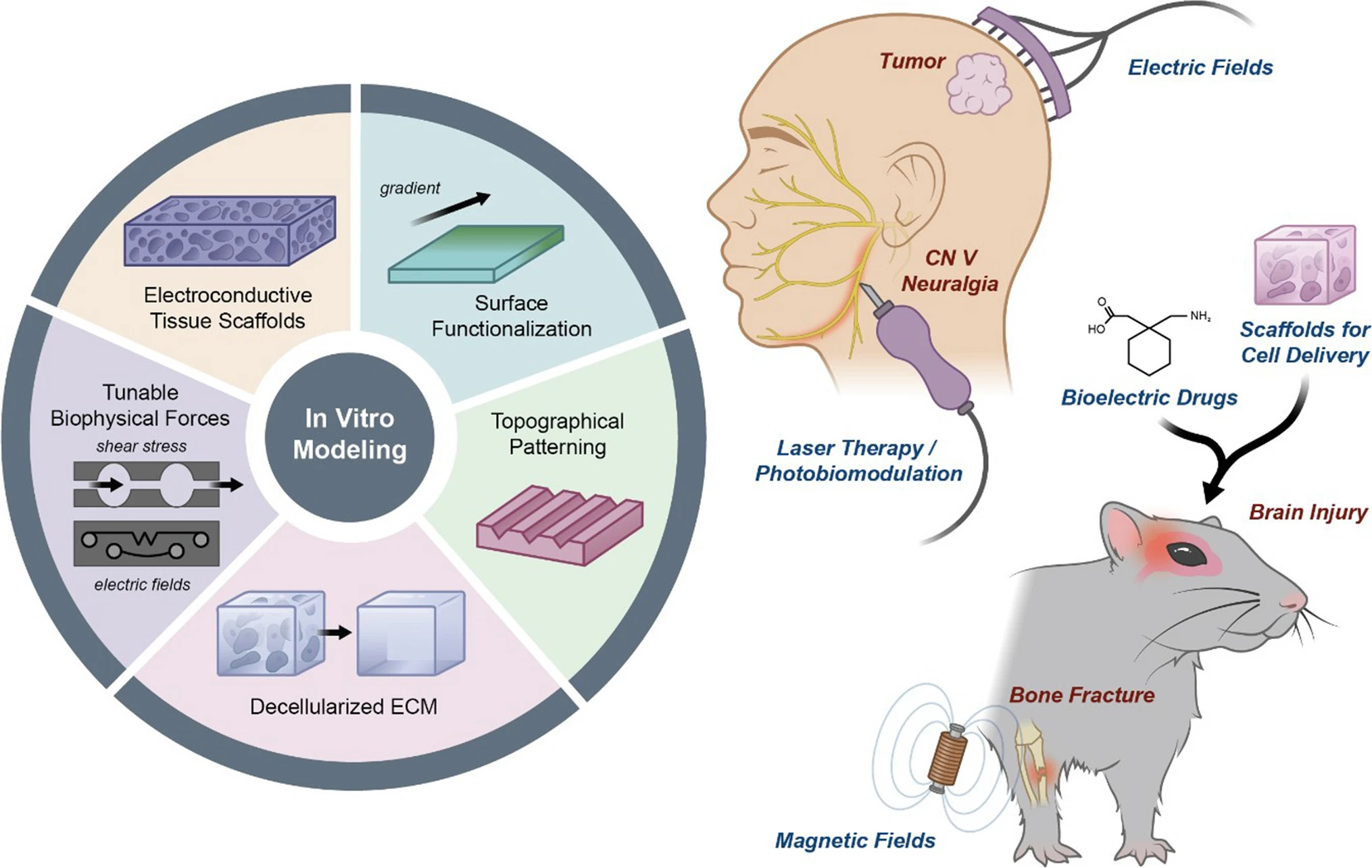
The next challenge is to connect measurement with intervention, identifying a tissue’s condition, selecting an appropriate physical input, and assessing whether function improves.
Energetically speaking, if we detect that a cell or tissue has increased metabolic activity, we need to interpret this carefully. It could signify repair, inflammation, or pathological growth.
The appropriate intervention depends on what these signals mean. And the response will depend on the strength, duration, and timing of the physical input, as well as the state of the receiving tissue.
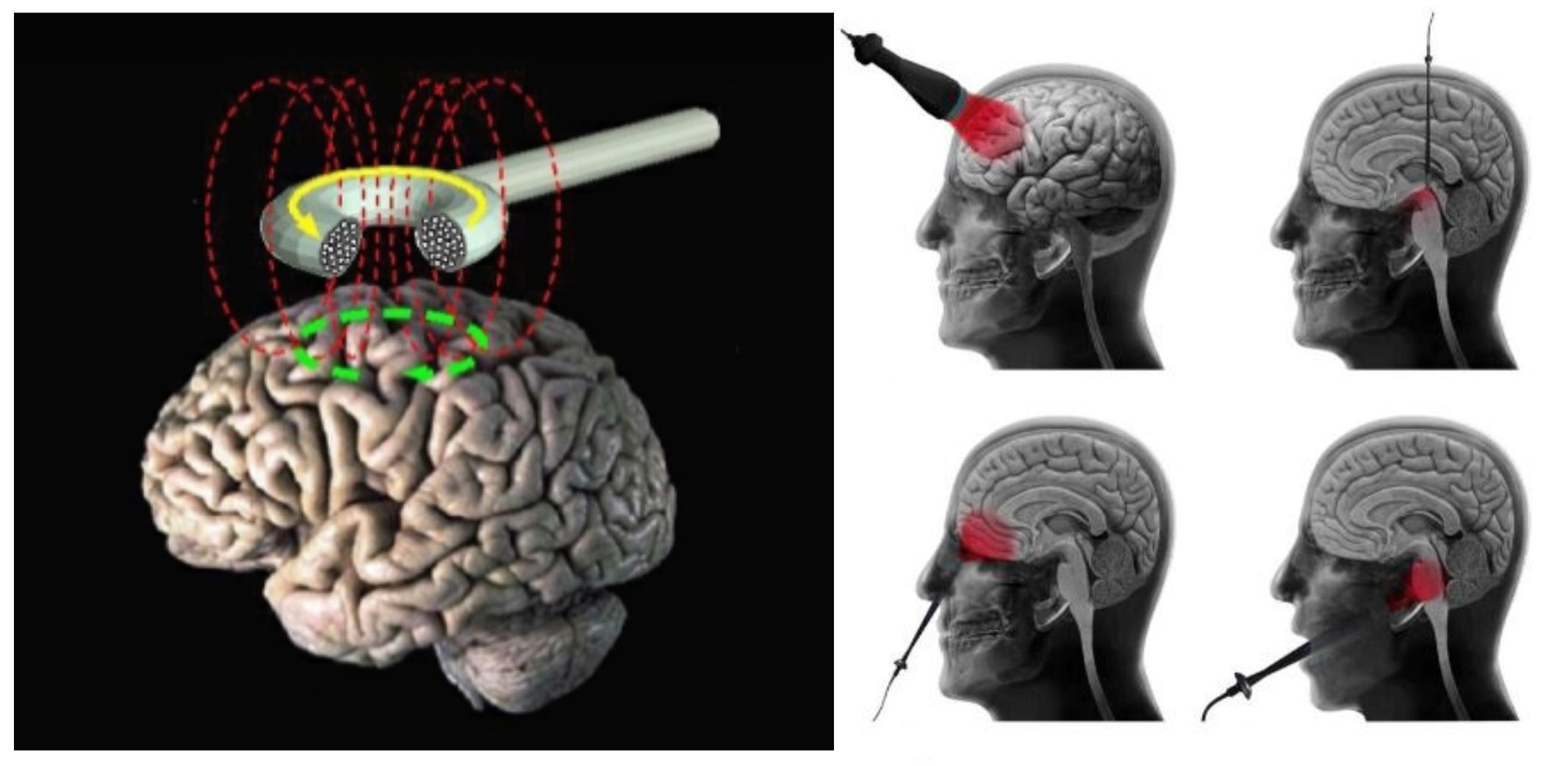
Bioengineering approaches and devices for delivering biophysical signals are accelerating research in this area and could potentially lead to promising new therapies.

Biomedical Research and Medicine Must Go Beyond Genes and Molecules
A closing wound gives us a glimpse of what living tissues can accomplish when energy, communication, and cellular activity come together. The possibility of learning to work with that coordination is what excites me as a biophysicist.
Genetics and chemistry have given us powerful ways to understand biology. Mechanical forces, bioelectricity, light, and other electromagnetic influences add to that understanding by showing how physical conditions shape cellular behavior.
Genes and molecules operate in a physical world, and understanding that world expands our possibilities for helping tissues heal.
Imagine being able to follow the physical signals of an injured tissue, recognize when recovery begins to stall, and use that information to guide an intervention. Alongside molecular treatments, we could investigate ways to adjust the stiffness of the surrounding matrix or the voltage gradients across a tissue.
Could changing these conditions help cells coordinate rebuilding and restore function? The experiments discussed here give us reasons to pursue that possibility.
Our review brings these questions together across regeneration and cancer, where overlapping cellular capabilities can lead to profoundly different outcomes. The physical processes that help establish biological form may also offer ways to restore it after injury or disease. By learning how the body’s physical language shapes those outcomes, we may gain new ways to support repair and constrain disordered growth.
That is the future I want to help build, one in which understanding how cells communicate and transform energy gives us greater precision to drive healing and whole body health.
Want to learn more about the physics of life and the signals that shape us?
This caution resonates deeply:
“Energetically speaking, if we detect that a cell or tissue has increased metabolic activity, we need to interpret this carefully. It could signify repair, inflammation, or pathological growth.”
It is a vital reminder for translation. A breakthrough technology that works predictably in a young, healthy lab animal cannot simply be assumed to act the same way in compromised human tissue.
If a cell is already running on empty, demanding more activity from it doesn't automatically mean repair.
¯\_(ツ)_/¯
https://youtu.be/aGxcDPuQrIk