

ENERGY SCIENCE
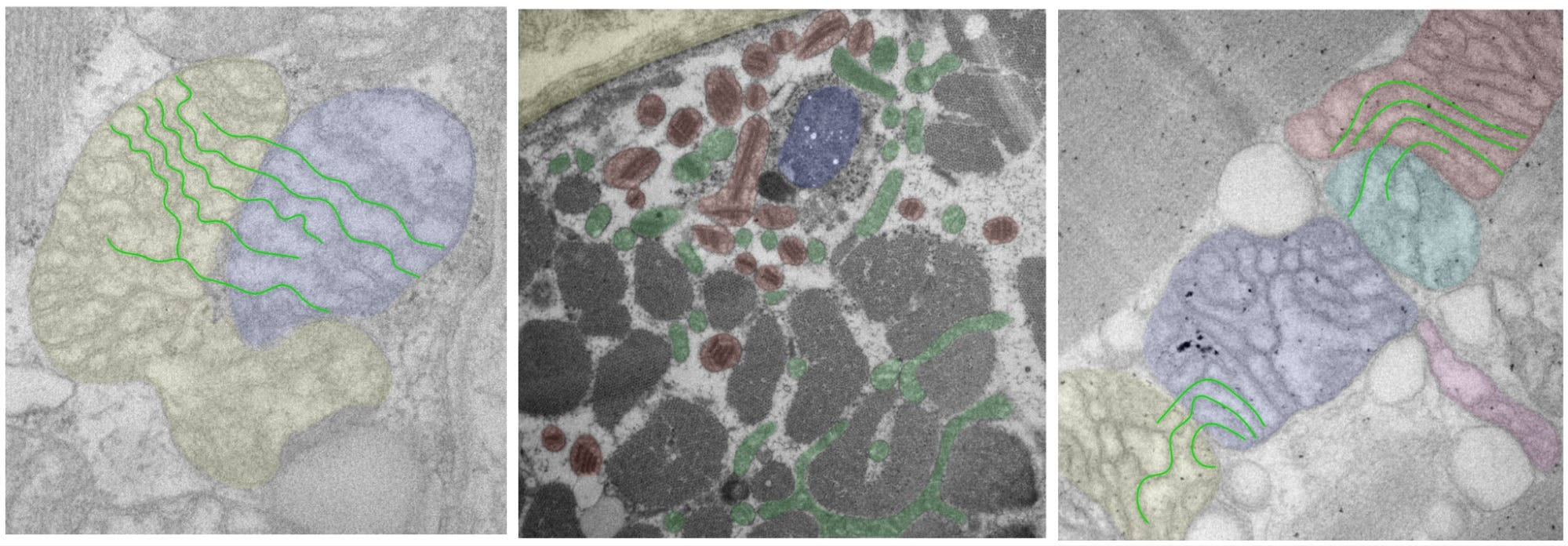
Since we started working on Mitochondrial Psychobiology at Columbia University, I’ve followed dozens of patients with rare mitochondrial diseases in the clinic, with my neurologist colleague Michio Hirano. People who live with mitochondrial diseases have taught me more than any textbook ever did. I am so grateful.
In this article, I describe what people who suffer from mitochondrial diseases often experience and what we understand of the biology.
The Energetic Costs of Mitochondrial Diseases
The first time I met Linda, she was 19. Her mother pushed her into the clinic examination room in a wheelchair, with an aide at her side.
Linda moved and reacted slowly. As if there was a lag in the connection between he and the rest of the world. But she was warm and responsive.
When I spoke to her, she strained to smile. To look at me, she tilted her head back—her eyelids were paralyzed, and obstructed her pupils.
To blink, she had to pull her whole forehead into a frown. Blinking is something the rest of us do 15 times a minute without noticing. For Linda, just blinking was visibly effortful.
During the visit, Linda’s mother did most of the talking. Linda could still walk at home, but when she tried to climb stairs, her legs frequently gave way. One day last week, she fell badly.
On most days, I learnt, Linda sleeps about 18 hours. Being awake takes significant effort. So she takes 3-4 hour naps every afternoon.
On her face, Linda had small lesions—little infected sores. When I inquired, her mother remarked that they had been there for three or four weeks without signs of healing. Any kind of injury, even a pimple or a rash on Linda’ skin, takes forever to heal. Three to four times normal, by her mother’s estimates.
It takes energy to heal.
Linda was fully vaccinated. Yet, a few months after her latest immunization, her blood showed no trace of the antibodies. Gone. She might have responded to the injection, like most people, but her body failed to keep the memory of the immunization.
Building immunity costs energy.
Then, her mother said something that stayed with me. If Linda spent an afternoon with friends or went out to an event, she was wiped out for the next couple of days and couldn’t do anything at all. For Linda, an ordinary afternoon costs what a late night wedding costs most of us. And she paid for it with days of her life.
Linda has Kearns-Sayre syndrome, a mitochondrial disease. She’s tired all the time. Everyday, she feels unrefreshed.
When you extract mitochondria from her cells to run the DNA on a gel, or slap some of her DNA on a sequencing chip, you see something rather unusual. Many of the mitochondrial DNA (mtDNA) in her cells lack a segment about 3,900 nucleotides (the A, C, T, G letters) long.
That is, Linda carries a single 3.9kb large-scale mtDNA deletion.
As we know now, mitochondria transform the food we eat and the oxygen we breathe into the energy that powers everything we do: moving, blinking, thinking, healing wounds, fighting infections, and keeping our heart beating.
When mitochondria can’t keep up, energy resistance creeps up to unsustainable levels. The body starts making difficult decisions—energy tradeoffs—about what it can still afford. And what it can’t.
For Linda, legs that buckle on the stairs, wounds that fail to close, and an immune system that lets go of its memory may all be signs of the same thing. Her body is making hard choices about where its limited energy goes.
That tiredness we all feel after a big day is a faint version of what Linda lives with every day. Mitochondrial diseases show us—more clearly than anything I’ve ever seen in the laboratory—how much of being alive depends on energy.
The Underlying Biology
Mitochondrial diseases are a diverse group of conditions caused by molecular genetic defects that disrupt the biology of mitochondria. Some arise from mutations in mtDNA, the tiny circular genome within our mitochondria. This is the one we inherit only from our mothers. Other inherited mitochondrial diseases are caused by mutations in the chromosomal DNA in the nucleus—the one we get a copy from both parents. In both cases, these defects affect proteins that mitochondria need to function normally.
Each of our cells can have hundreds or thousands of mitochondria. Each individual mitochondrion has multiple mtDNA copies—somewhere between 100 and 5,000 per cell. So there is a lot of mtDNA in our bodies. Something on the order of one quadrillion.
In many mitochondrial diseases, normal mtDNA copies and copies with a mutation can coexist in the same cell. In general, having more copies of mutant mtDNA is associated with more severe disease, but this isn’t always true.
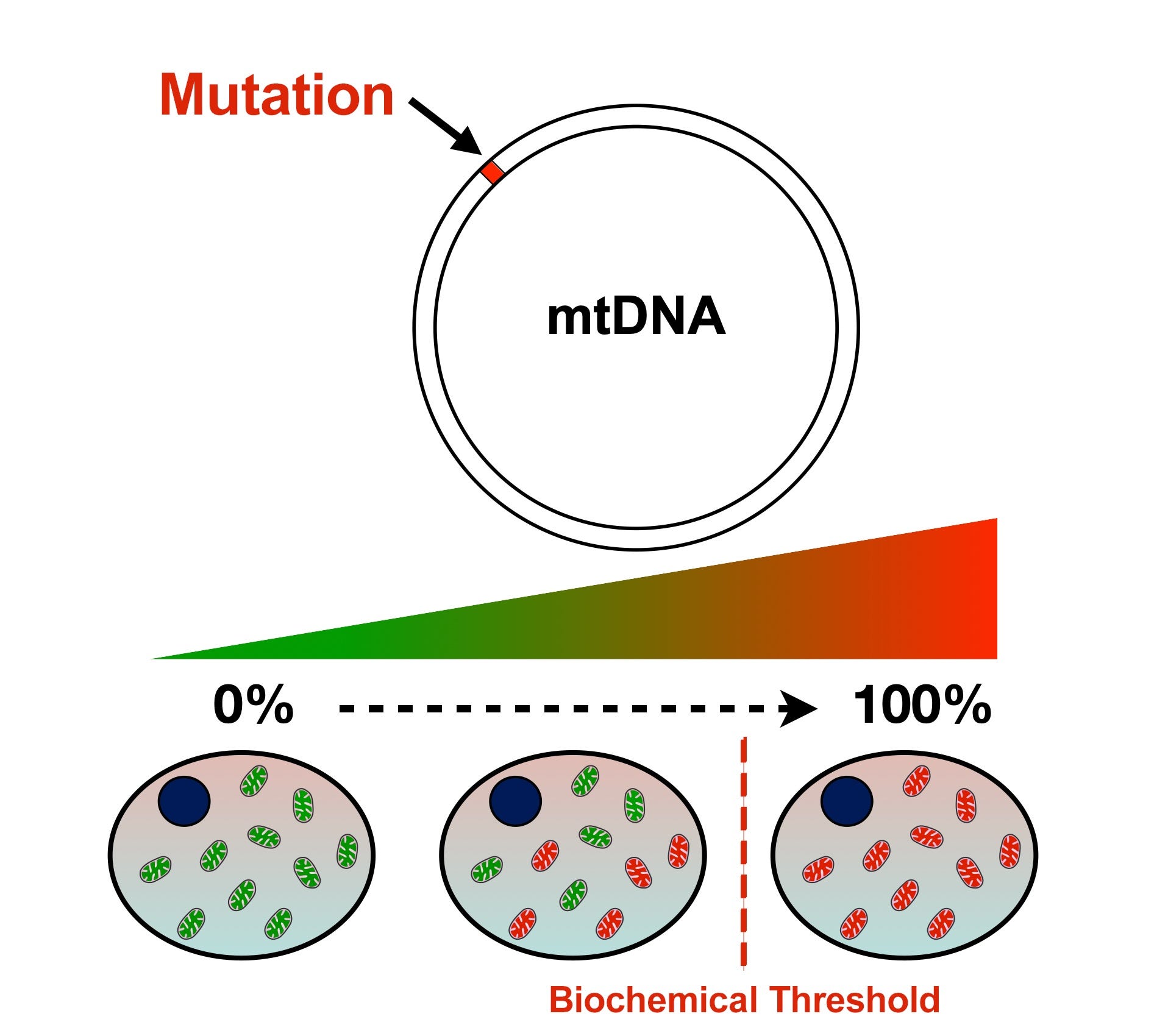
Many mutations interfere with the ability to flow electrons in the oxidative phosphorylation (OxPhos) system. That’s how mitochondria transform biochemical energy from food and oxygen to generate an electrochemical gradient, which is used to produce ATP, one of the cellular energy currencies.
Because every one of our cells—except red blood cells, which don’t have a nucleus either—have and depend on mitochondria for their many functions, these defects can impact every organ system.
Genetic mitochondrial diseases alter energy transformation throughout the body, but this doesn’t just create an energy problem.
Remember, mitochondria have many functions. Cells with abnormal OxPhos activity can activate stress responses, affect the growth of blood vessels, and cause outsized physiological responses to exercise. Having a mitochondrial defect is having a whole-body defect.
How Molecular and Genetic Defects Can Change Mitochondria
Some of the molecular changes that occur can even be seen using electron microscopy. And they are visually striking.
I worked with Amy Vincent and other colleagues on a cool paper that documented defects in the internal architecture of mitochondria. What I first saw when I looked at the skeletal muscle biopsies of people like Linda blew my mind.
The images below show some of the atypical things we saw in these mitochondria.
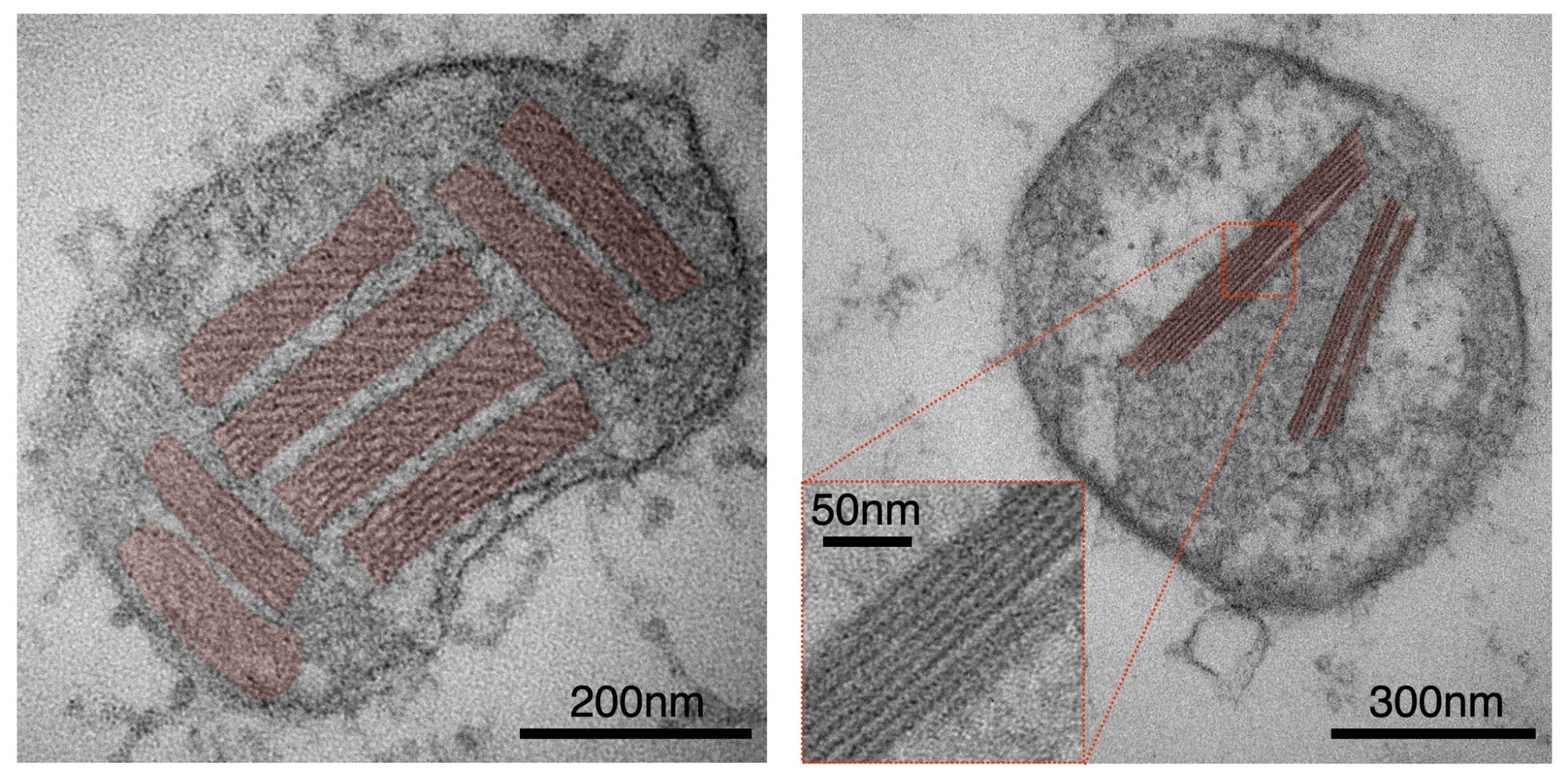
• Paracrystalline inclusions were among the abnormalities recognized in early electron microscopy studies of mitochondrial disease. These rigid, crystal-like structures can occupy large portions of a mitochondrion. They may arise from the accumulation and crystallization of the enzyme creatine kinase (there are debates about this). They seem to occur more often in response to the disruption of energy transformation when OxPhos activity is impaired.
• Crop-field-like patterns can form when the inner membrane folds, called cristae, become unusually straight and angular. These abstract, geometric arrangements may form if the protein or lipid make-up of the cristae change in ways that make the membrane more rigid. This could force the cristae into highly ordered patterns like the ones shown below.
We still have no idea how these structures form, or how dynamic or fixed they are.
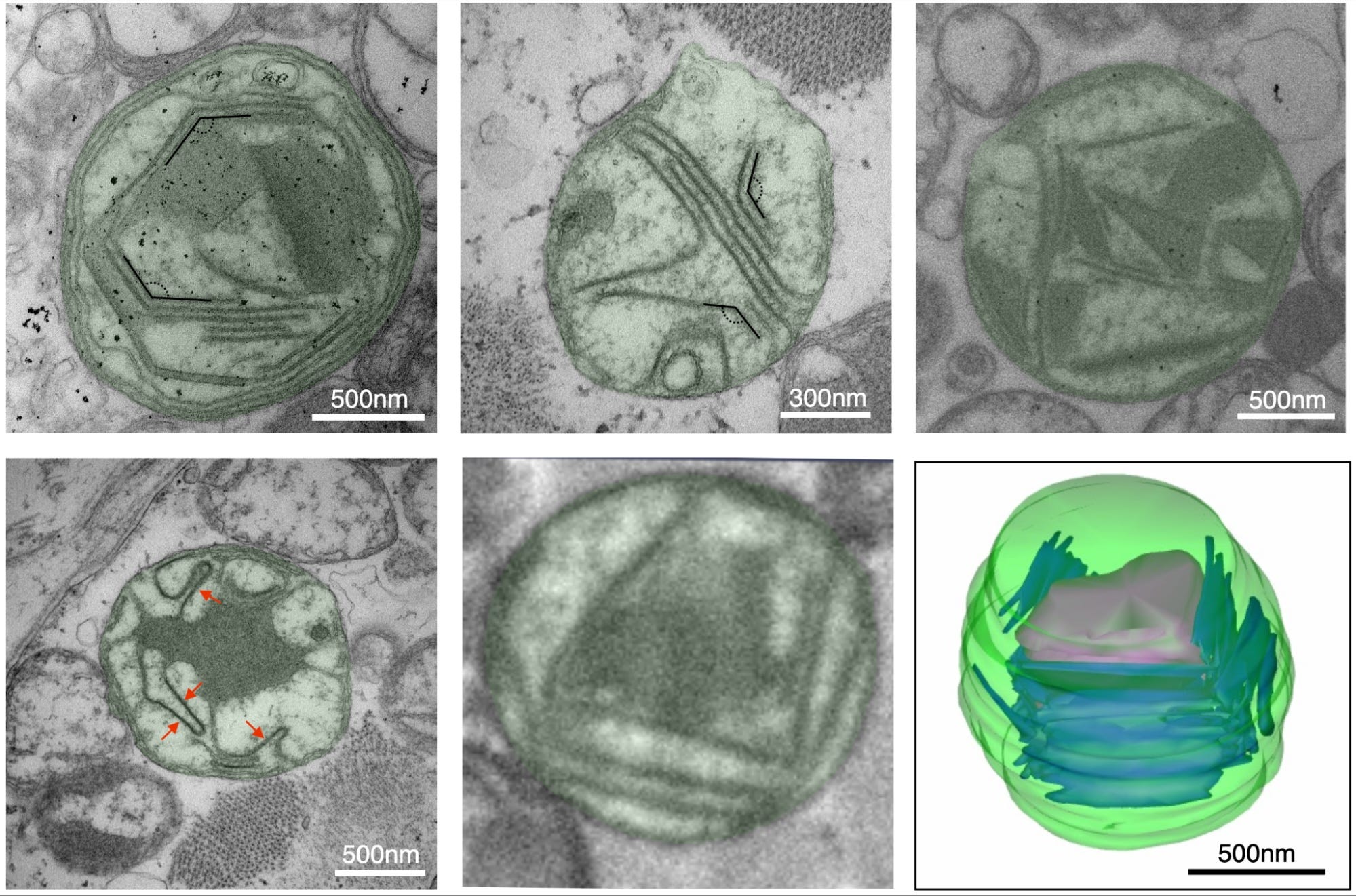
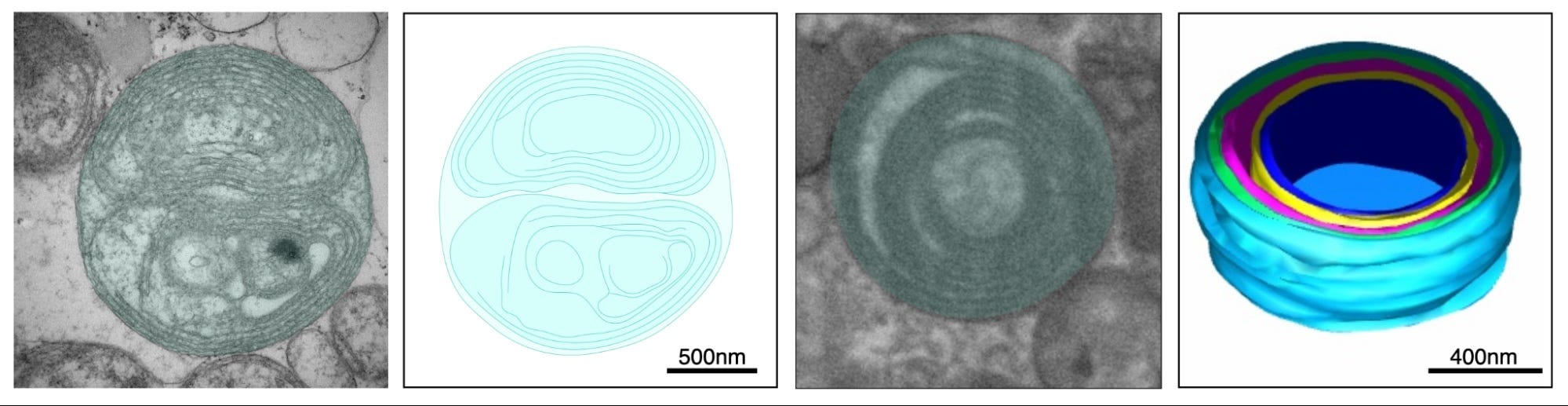
• Onion-shaped mitochondria contained tightly packed membranes arranged in layers like an onion. Similar structures can be produced experimentally when proteins that organize cristae architecture are disrupted. When membrane-organizing proteins or mitochondrial fusion proteins aren’t doing what they should, membranes may layer up like this.
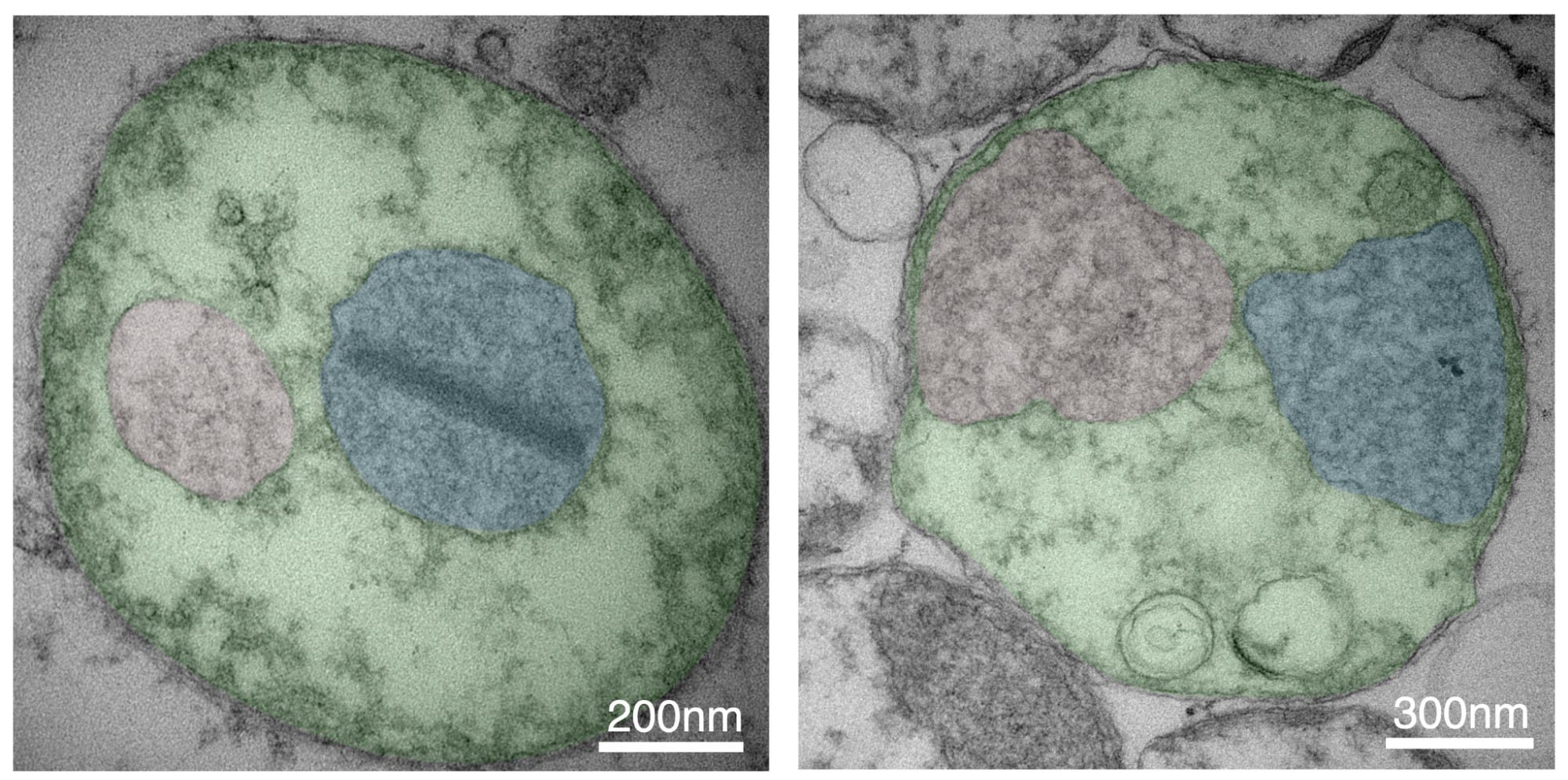
• Mitochondrial compartments are like pockets within mitochondria. They are bound by either a single or double membrane. The darkness and texture in these pockets suggest that these compartments contain different molecules and ions than the surrounding matrix. This compartmentalization may reflect problems with the processes that normally organize the cristae and their junctions.
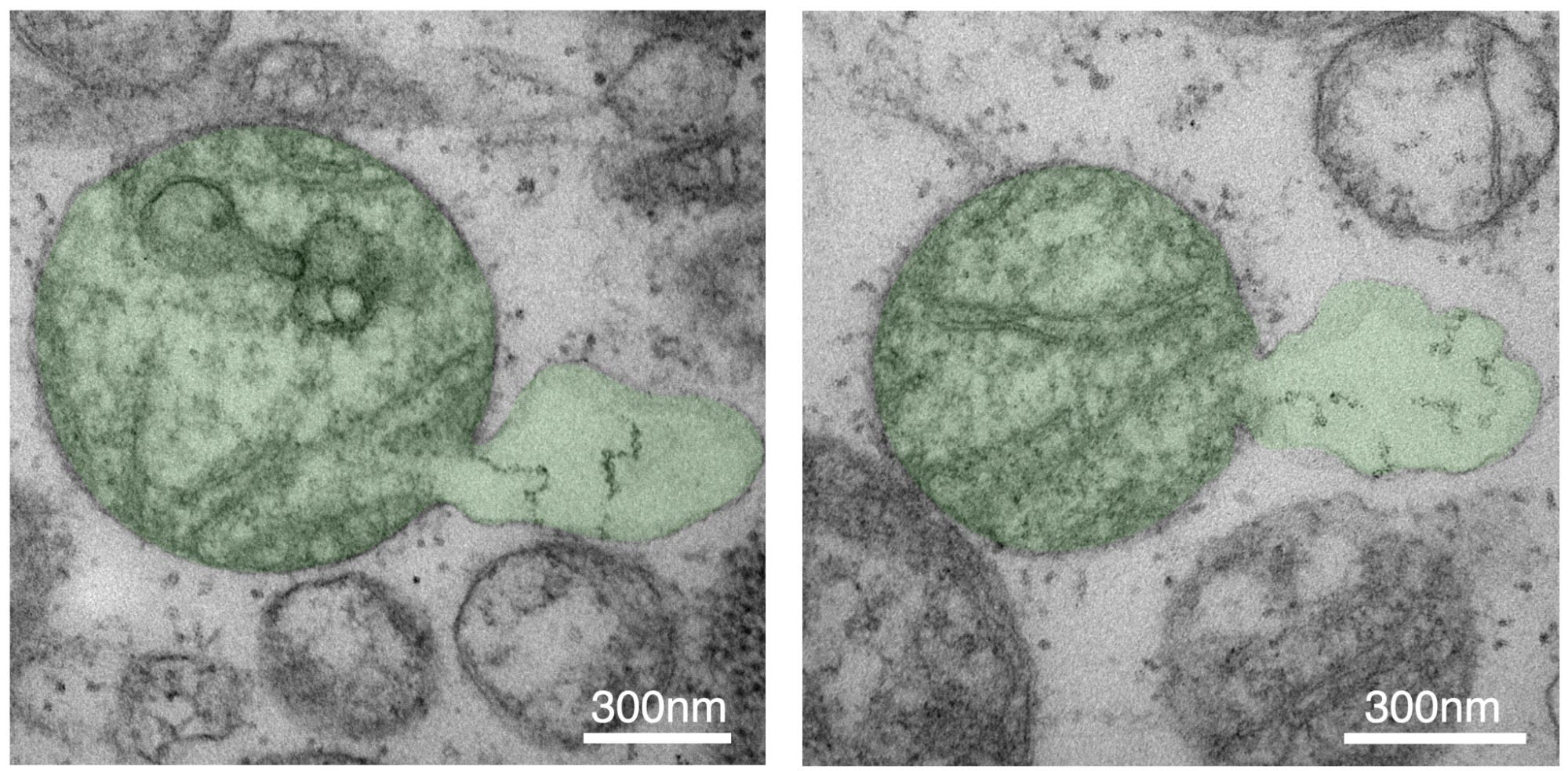
• Potential breaches of the outer membrane were captured in some of the images. They initially looked a bit like a mitochondrion sneezing. The protrusions coming out of the membranes appear as though the mitochondria are puffing their contents out into the matrix of the cell. If that’s the case, these could potentially trigger inflammation since some mitochondrial molecules—like RNA, DNA, and proteins—can trigger innate immune responses.
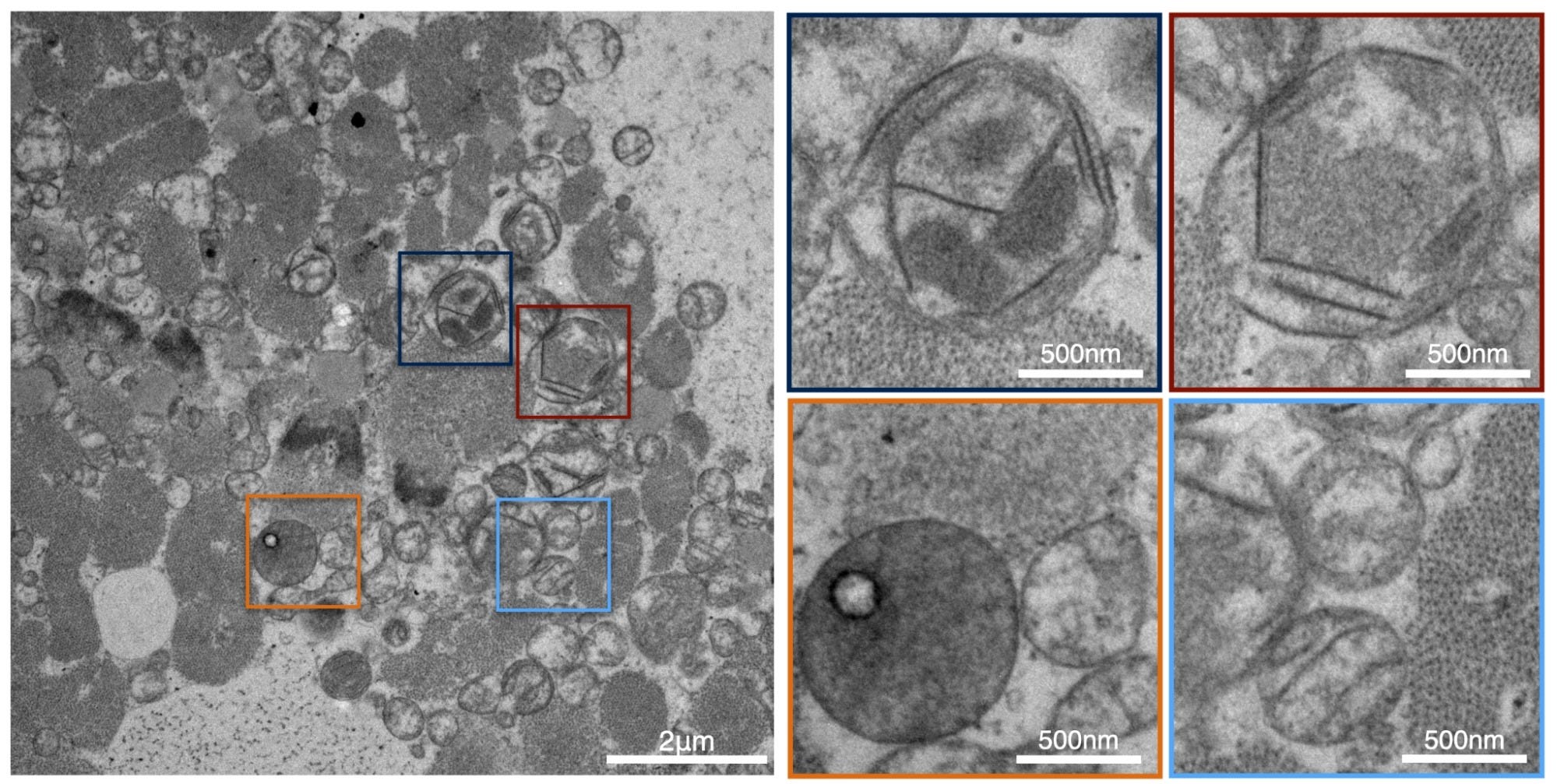
While not atypical, it’s worth noting that within a single cell, not all mitochondria look the same.
We mentioned earlier that individuals with mitochondrial diseases, and even single cells, generally have some normal mtDNA and some mutated DNA within a single cell. The images below reflect this heterogeneity.
You can see examples of mitochondria of different sizes, some with crop-field-like patterns, some with compartments, and some that look normal. All of these different mitochondria co-exist inside a single human muscle cell.
The heterogeneity we see in the mitochondria, even within a single cell, feels like it is mirrored in the heterogeneity we see across individual people and how they experience mitochondrial disease.
The heterogeneity we see in mitochondria, even within a single cell, feels like it is mirrored in the heterogeneity we see across individual people and how they experience mitochondrial disease.
Individual Experiences Vary
Variability is also reflected in the lives of people affected by these conditions. As for everything else in life, people experience things quite differently. Each individual with a genetic mitochondrial disease likely has a different experience.
The brain, muscles, eyes, heart, gastrointestinal system, endocrine system, and other tissues can all be affected—but differently in different people. Symptoms can span multiple body systems, and they can differ in severity and change over time. Even people with the same mtDNA mutation have very different experiences.
Linda had several different symptoms, including fatigue and ptosis (the eyelid paralysis), which are common across most mitochondrial diseases. But Linda’s clinical picture and subjective experiences are unique to her.
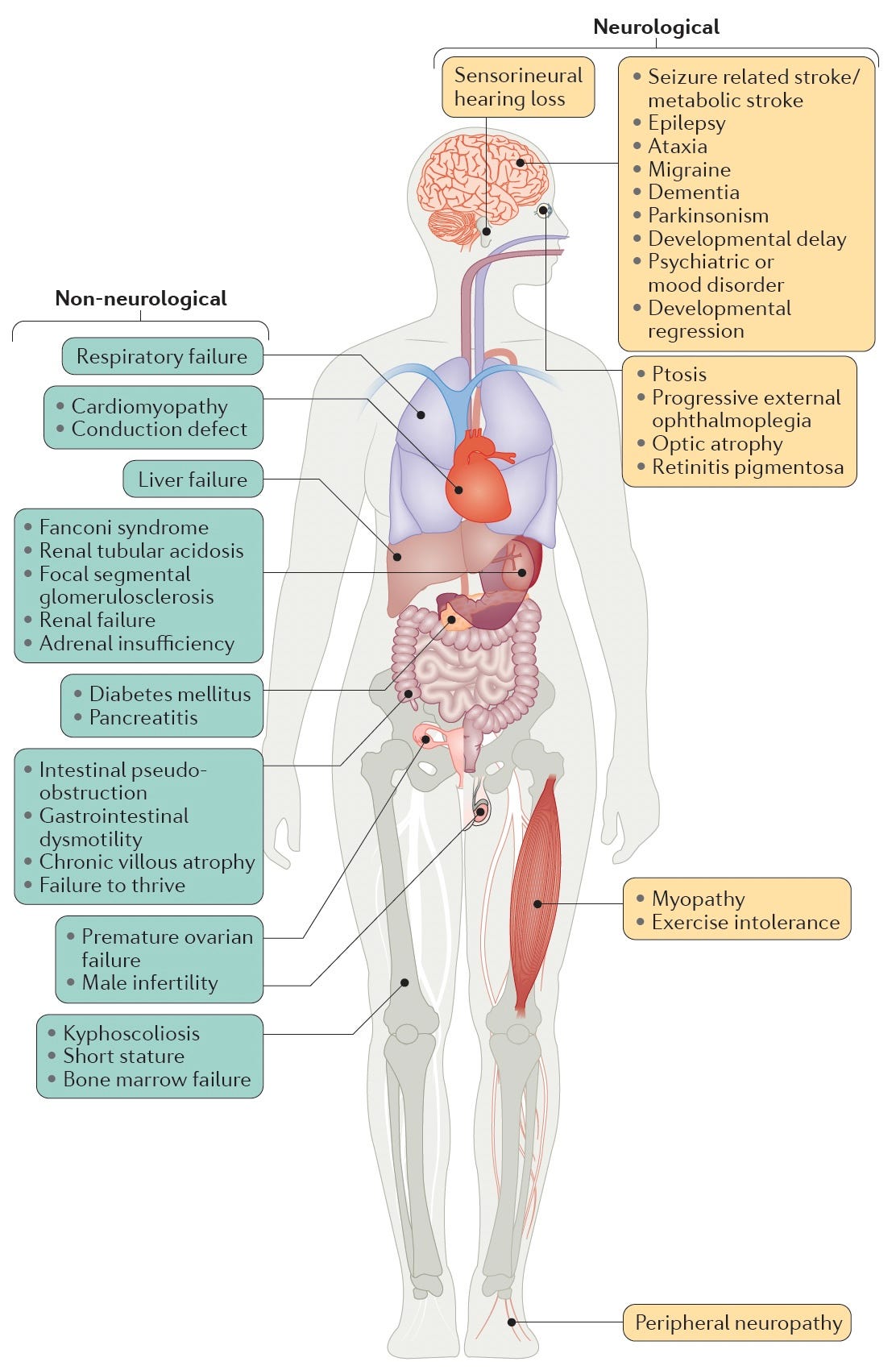
The majority of people with mitochondrial diseases report feeling extremely fatigued. This is more than the exhaustion that many of us feel in our busy lives. Their fatigue can make it hard to get through everyday activities. Feeling tired and unwell can affect their work, activities around the house, exercise, relationships, and social lives.
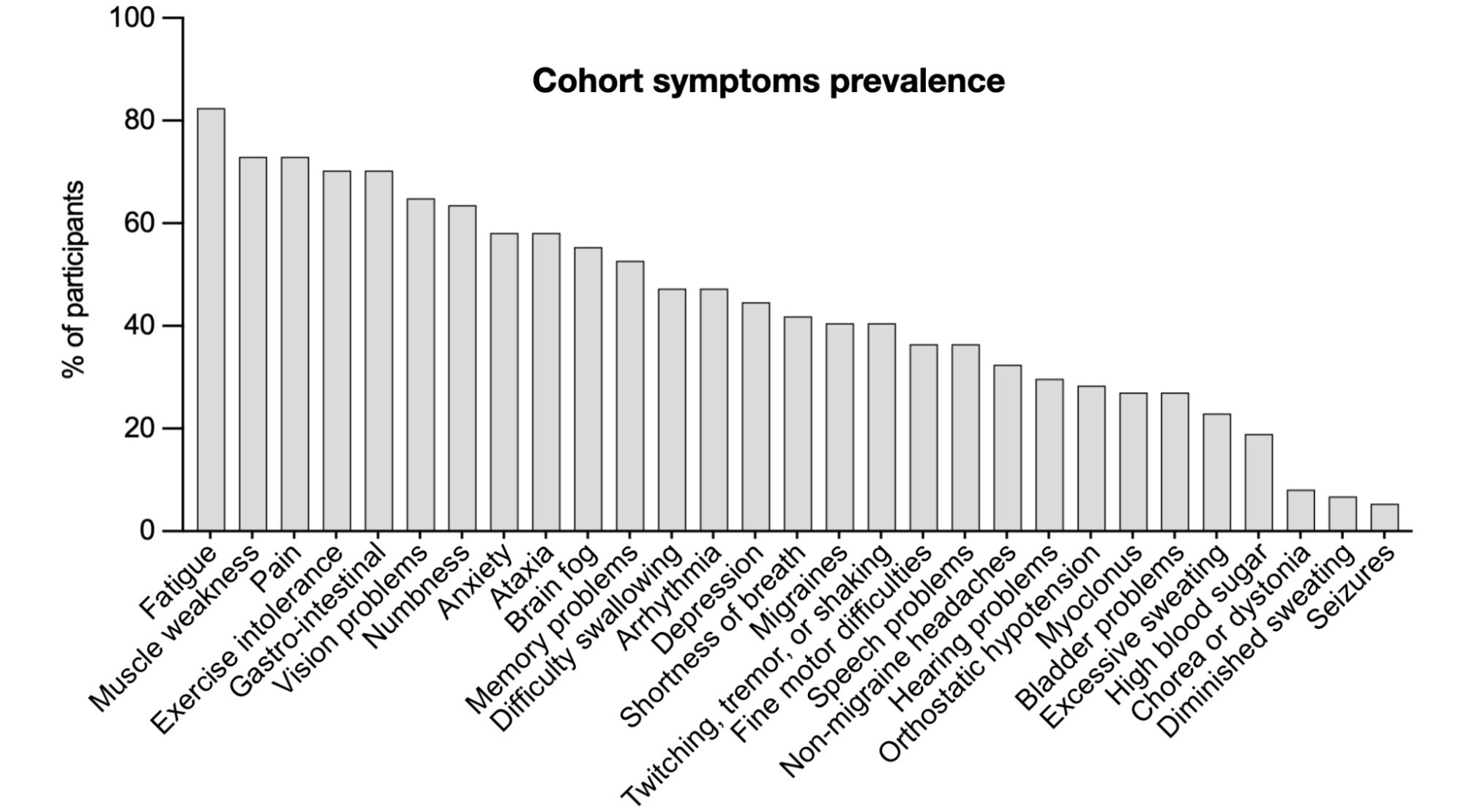
Many people with severe mitochondrial diseases struggle to work consistently, and they may require accommodations or need to work differently. Working 40 hours a week every week may not be possible with the realities of their energy constraints. But some manage.
In a previous post, Robin Lanzi wrote about how mitochondrial disease can affect whole families. She and her five sons have a rare mtDNA mutation that causes a condition called Leber Hereditary Optic Neuropathy (LHON).
This diagnosis introduced uncertainty about who would develop what symptoms, and when. Energy and recovery have to be regularly monitored. Through sharing her family’s story, she also described anecdotes about how stress could trigger symptoms or make them worse.
Stories like Robin’s are part of what motivated the Mitochondrial Stress, Brain Imaging, and Epigenetics (MiSBIE) study that we described in a previous post. The study has focused on learning more about how mitochondria can impact multiple interconnected body systems in people with and without mitochondrial diseases.
The Stress, Health, and Emotion Survey (SHES) led by Catherine Kelly and Marissa Cross from our Mitochondrial Psychobiology Group also found that most people with mitochondrial diseases believe that there is a link between one’s state of mind and mitochondrial disease symptoms.
In SHES, individuals with mitochondrial disease who came to our laboratory for the study reported that 27 of the 29 symptoms we asked about were related to their daily mood. People believed that on average, symptoms like fatigue, depression, anxiety, and fine motor coordination were worse when they have a bad emotional day; whereas these symptoms aren’t as bad when they have a good emotional day.
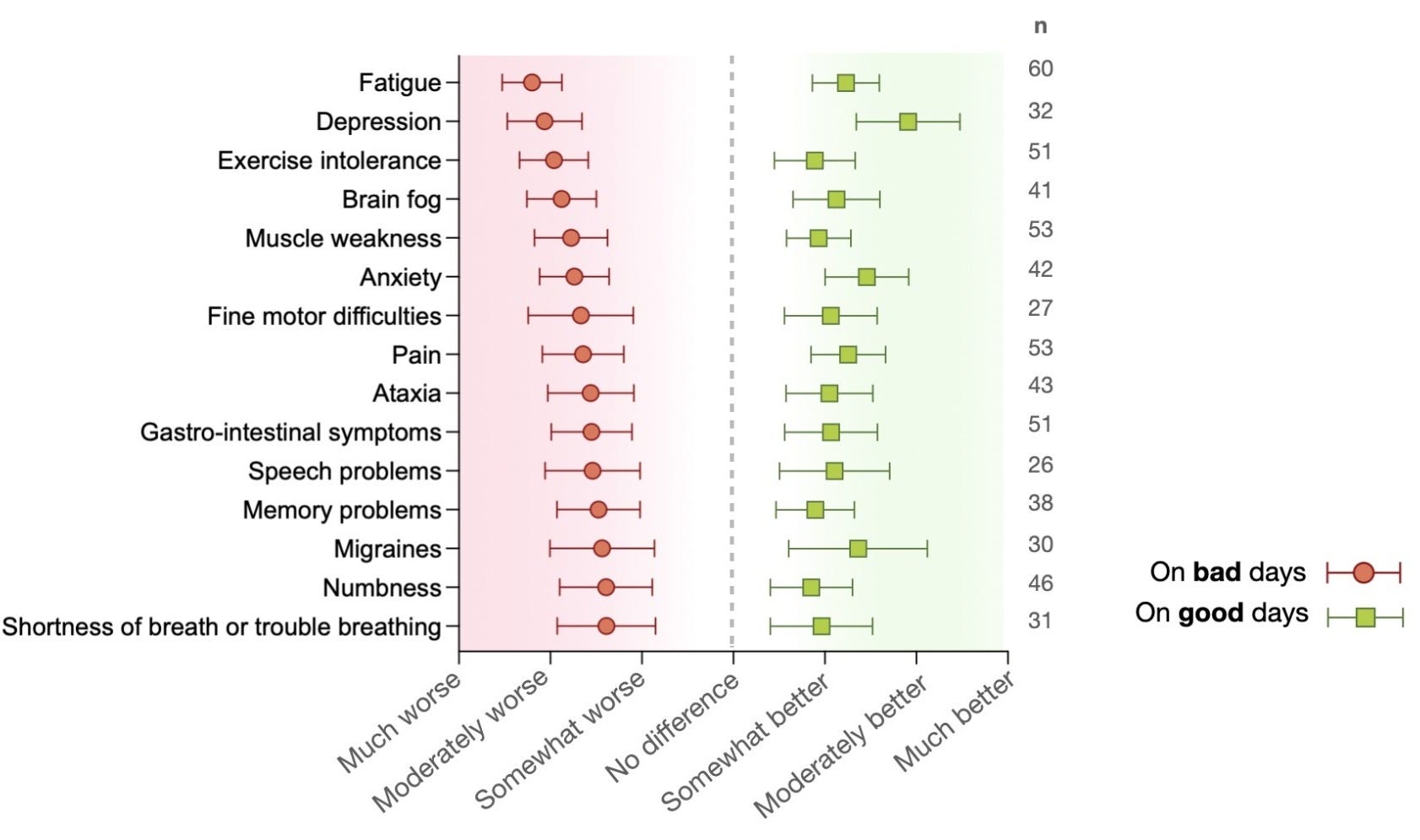
That wasn’t the case for other symptoms like hearing problems, abnormal sweating, bladder problems, or high blood sugar, suggesting some specificity in these findings. Some things may fluctuate with one’s state of mind, but some don’t.
These are early findings that we need to interpret cautiously, but they point to an emerging connection between the mind and the mitochondria. Psychological and biological processes may interact in ways that deserve to be examined more closely in mitochondrial diseases.
Understanding Mitochondria in the Context of the Human Experience
Because mitochondrial diseases can produce a variety of symptoms, people experience them differently, and they can originate from different mtDNA or nuclear DNA mutations, they can be hard to correctly diagnose. And delays in diagnosis have real impacts on peoples’ lives.
Multiple initiatives have been launched to share knowledge and raise global awareness of mitochondrial diseases. World Mitochondrial Disease Week and Mitochondrial Disease Awareness Month are two of these efforts that take place each September.
Increasing awareness matters because these diseases are relatively rare. They can take years and visits to many doctors to diagnose. It also matters because they highlight a principle that applies more broadly to all of us—energy is what we are. Not just something that keeps us alive
The biology of energy shapes the human experience.
We are now beginning to understand how energy availability and energy resistance manifests as fatigue, pain, and other subjective experiences. Energy transformation shapes how we respond to stress, and it shapes how we experience the world.
At the same time, our experiences may shape mitochondrial biology in subtle ways. Like many things in biology, this goes both ways.
In people without genetic mitochondrial diseases, we know that mitochondrial biology vries somewhat according to age and sex, chronic stress, and other experiences.
For example, we found a few years ago with Elissa Epel, Eli Puterman, and colleagues that chronic caregiving stress and daily mood were linked to the energy transformation capacity of our immune cell mitochondria.
Caroline Trumpff also found that psychosocial experiences (experiences that affect our internal thoughts and feelings and how we interact with the outside world) were linked to brain mitochondria. Older people reporting more positive psychosocial experiences had prefrontal cortex mitochondria better optimized to transform energy.
These studies weren’t designed to identify cause and effect relationships, but the associations they found help to connect our biology and our life experiences. They are consistent with a mind-mitochondria connection.
Genetic mitochondrial diseases that affect people like Linda are terrible. I’ve also come to see them as special opportunities to understand our true nature as energetic processes. They bring to light an important question.
Knowing that mitochondrial energy transformation shapes our lives and minds, to what extent does our health reflect the interactions between our mitochondria and our experiences?
Our research over the next few years will focus on addressing this question, and on developing new ways to tap into the mind-mitochondria connection.
Want to learn more about our work to understand brain-body processes, mitochondrial diseases, and the link between energy and human health?
Check out the MiSBIE study on our lab website.
The idea that energy transformation can shape not only our biology, but our experience of life, is fascinating. I’m especially interested in the relationship between our environment, daily experiences and mitochondrial biology. Really looking forward to following where this research leads.
Martin, has there been any evidence that some of these mtDNA mutations affect the protein structure in the ETC such that the Marcus electron transport is affected and the typical protein alignment is altered?