

LIVED EXPERIENCE
“It is not easy to be a pioneer—but oh, it is fascinating. I would not trade one moment, even the worst moment, for all the riches in the world.” — Elizabeth Blackwell
In this article, we consider the realities of investigating scientific questions at the edge of current scientific understanding and may challenge long-held beliefs. Although science is designed to test and refine ideas, questions that challenge prevailing models can be difficult to pursue within systems that naturally reward established lines of inquiry. We also highlight a few of the brave researchers who are doing it anyways, particularly in areas relevant to biophysics of energy towards healing science.
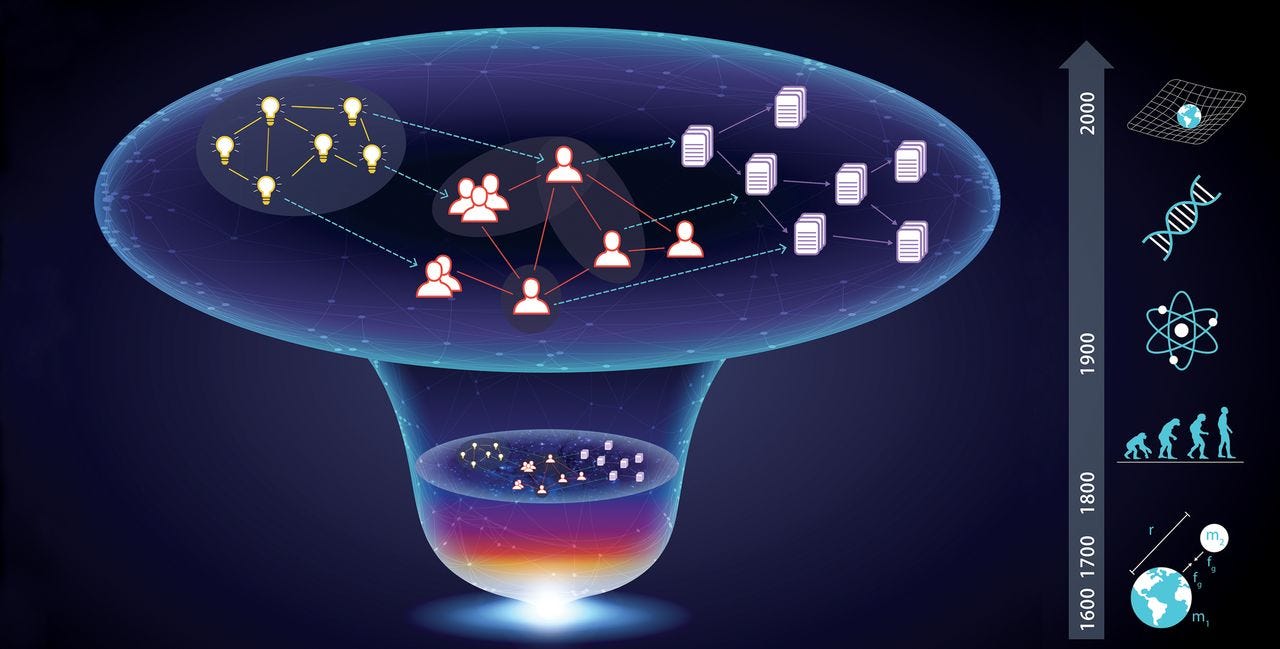
I’ve been thinking about this throughout my entire academic career. Right now, we all are watching a moment of real change that is unfolding in Science. The collapse of research funding. Institutional restructuring. We’re in a moment of true scientific instability.
And yet, the history of science reminds us that important discoveries rarely move at the speed of funding cycles, metrics, or institutional urgency. A 2013 Nature feature on “slow science” described long-term research as a reminder that science is “a marathon, not a sprint.” That framing feels especially important now. The questions that reshape fields often require time, patience, and protection from the pressure to produce immediately legible outcomes.
But if we flip the script, we are also at an inflection point in how we understand health, disease, and the nature of life itself. And I don’t think the center of science, shaped as it is by consensus and convention, is where that understanding will emerge from.
It will come from the margins. It always has.
Think of Galileo and the observations he made that led him to argue that the Earth revolved around the sun, rather than the other way around. Galileo was also one of the early astronomers who suggested that the sun wasn’t a flawless, celestial body—recording sun spots, dark patches on the sun’s surface created by magnetic fields. Galileo operated from the edges of sciences, pushing new tools and ideas.
Learning From Scientific Pioneers
My academic training has been broad, spanning behavioural neuroscience, cancer biology, and developmental biology. I’ve had many mentors, role models, and amazing colleagues that have taught me so much along the way, including neuropsychologist Michael Persinger, cancer bioengineer Robert Lafrenie, developmental biologist Michael Levin, and biomedical engineer David Kaplan.
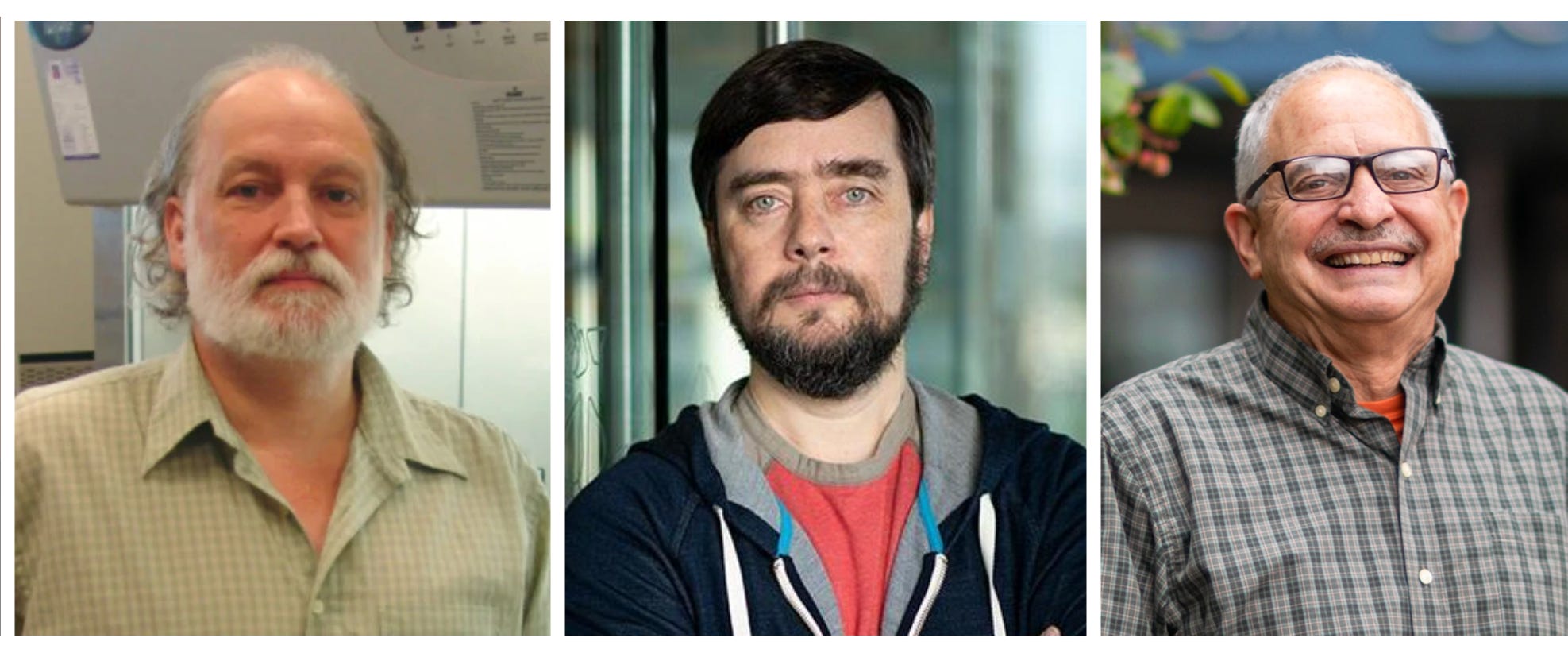
Each spent their careers asking questions that made institutions and the Scientific Academy uncomfortable. Rigorous, fearless, and years ahead of their time in exploring how subtle electromagnetic fields and bioelectric signals and novel biomaterials interact with our brains and other biological systems. They paid an academic price for it.
Despite this, they’ve also reaped the rewards; they asked paradigm-shifting questions and trained us, the next generation of scholars, to think critically to search for the truth anyway.
Michael Persinger described the essence of science as a social behavior, so eloquently in my opinion, in this video.

Studying Energy at the Frontiers of Biophysics
Confronting consensus comes at a social cost. Intense objections to new scientific ideas are often described euphemistically as “pressure-testing”, but the reality can often look more like dismissal or ridicule.
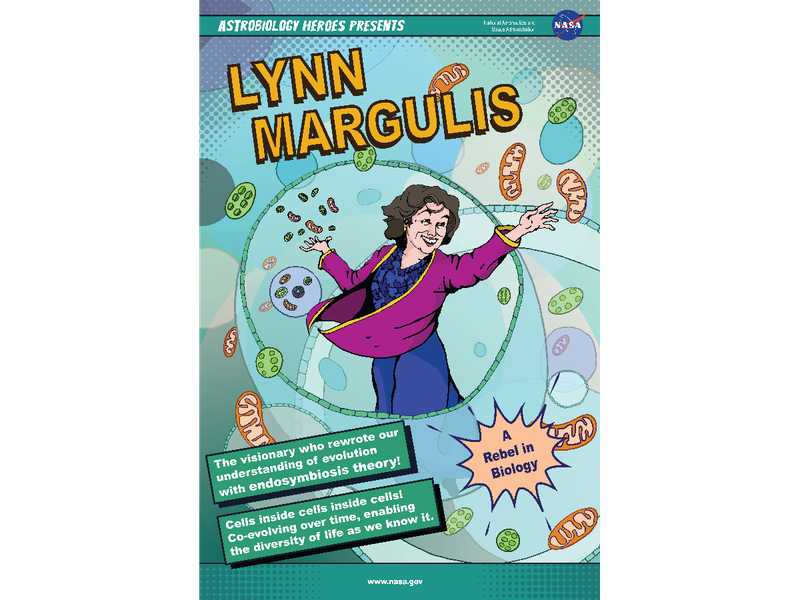
For example, Lynn Margulis spent years defending the idea that mitochondria and chloroplasts originated as once free-living bacteria. The theory was initially rejected (her paper on endosymbiosis was rejected 13 times) but is now foundational to cell biology, evolution, and modern mitochondrial medicine.
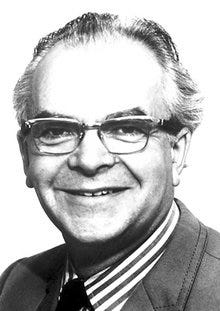
Peter Mitchell was criticized for years and experienced significant professional isolation when he first proposed the chemiosmosis hypothesis. This later earned him a Nobel Prize in Chemistry. Every discussion of biological energy today rests on Mitchell’s work.
These scientists were initially viewed by many as heretical. But retrospectively, they are viewed as mavericks with keen insight. They didn’t themselves change—perception did.
As a product of mentors who faced similar challenges, I am grateful to carry those questions forward, now through a new lens: the biophysics of energy in our own lab.
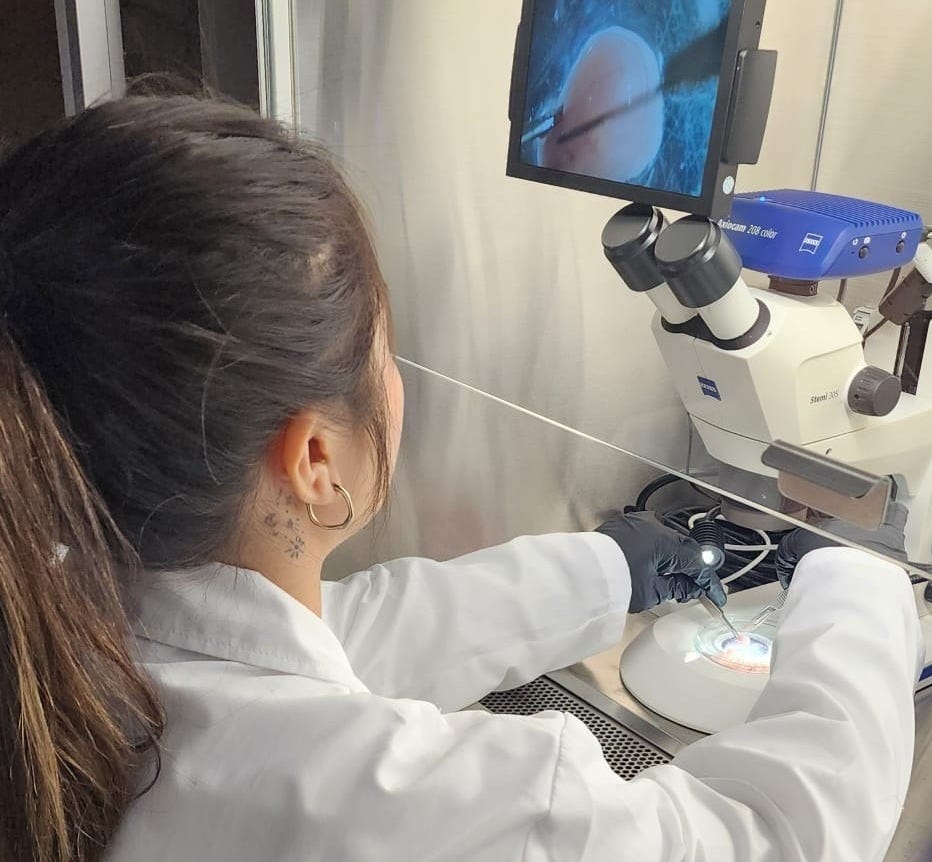
Our growing understanding of quantum biology and how energy flows through living systems, from mitochondrial networks, ion channels, and microtubules to the broader environmental signals that shape them, is pushing against the edges of what we think we know.
It is also humbling us with how much we don’t know. Emerging neurotechnologies and the rapid rise of AI are finally giving us the resolution to ask better questions.
In our lab, we are beginning to ask—and answer—questions that would have seemed impossible a generation ago. Does the electromagnetic spectrum carry information that allows us to read and reprogram our body states? Can biophotonic signalling give us a richer, more precise map of health and disease? Do electromagnetic fields generated within our own bodies (as electrons flow and energy is transformed) encode something we have not yet learned to measure?
If you want to follow along, we share more on our lab website, on this TSEE Substack, and within an emerging collective that we are building with Martin Picard within the Energy and Healing Institute.
The Path to Pursuing the Truth About Energy and Health
Here is what I believe, and what the evidence is beginning to support:
Health is not merely the absence of disease. It is a state of electromagnetic, biochemical, photonic, and energetic coherence—operating at scales and frequencies we are only beginning to measure. Biophotons, endogenous electromagnetic fields, the biophysics of energy in living systems, these aren’t at all fringe ideas. They are the next frontier of biomedicine.
And yet, science as a social behaviour resists them. Consensus protects itself. Careers are built on incrementing upon what is already known. Advisors, colleagues, and reviewers urge us to pursue “safe” projects, especially in the early stages of our careers. Funding flows only when the collective agrees. Consensus is not truth. It is a social agreement about what is currently acceptable to investigate. Those are very different things.
This is why emerging collectives like The Guy Foundation, BiophotonIQ, and Northwell Health’s Quantum Biology Forum, and independent journalists like Don Hill who aim to bring light to these “unconventional” sciences matter. They are creating growing spaces where these questions can be asked, developed with rigour, and held with humility.
If we are going to understand how disease truly emerges, and build the next generation of tools to create a landscape for humans to flourish, we cannot do it from within the same frame that missed these phenomena in the first place.
We need to embrace unconventional questions with open-mindedness. The scientific method. Rigour. Humility. And each other.
Thank you for joining us on the journey to building the foundation for the next phase of evolution for biomedicine. Please leave a comment to share how this perspective aligns with your experience, and consider sharing this post.
I have a few essays in draft that revolve around one concept: would the leaders or luminaries of the past have been successful in today's social ecosphere? Was it easier to be a paradigm-breaker when you had less social feedback? Did ideas benefit from a longer isolation period when the world was less connected?
I am glad you are here on substack, and I'm intrigued by the questions you are raising the the nature of your research.
Paradigm shifts almost always emerge from the margins, from the edges, from what is often dismissed as “fringe” science. As Max Planck famously observed: “A new scientific truth does not triumph by convincing its opponents and making them see the light, but rather because its opponents eventually die, and a new generation grows up familiar with it.”
The status quo resists change, even within science itself. The very institutions that should embrace new evidence when it emerges are often the ones that push back against it, clinging to established paradigms and defending their prevailing dogmas.