


ENERGY SCIENCE
Our TSEE guest writer Jennifer Williams is an Assistant Professor in the Department of Kinesiology & Physical Education at Wilfrid Laurier University. She studies how the cardiovascular system is impacted by metabolic, mechanical, and psychological “challenges,” particularly in women. In our previous article, we highlighted unique women-specific risk factors and hormone-related transitions that impact cardiovascular disease risk. In this article, we delve further into exploring these life stage transitions and their energetic implications for women.

The Patchwork Quilt & Women’s Heart Health
When we think of women’s heart health, there are life transitions and events that build stress and resilience into the structure and function of our hearts.
I first learned of Ronda Hazell’s work at the Canadian Women’s Heart Health Alliance. Based in Australia, Ronda created the 100+ Hearts Project, a creative initiative where participants create quilt blocks in honour of women in their lives impacted by heart disease. These quilt blocks join together to form a quilt meant to raise awareness of heart disease in women.
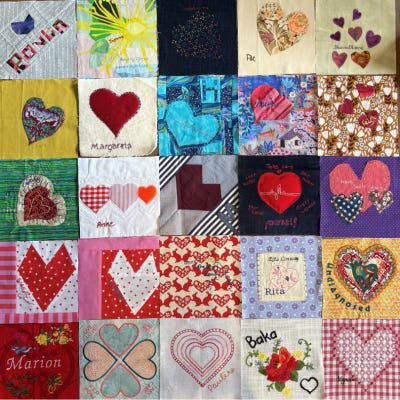
Ronda’s work has inspired how I think about the life stage transitions in women. The effects on the cardiovascular system are similar to a patchwork quilt. These transitions introduce periods of stress and resilience, challenges and beauty, which come together to shape a heart over the course of the lifespan. Looking at a single patch only provides a small picture of a woman’s cardiovascular health. Taking a step back to admire the full quilt allows us to connect pieces of a woman’s cardiovascular history together and to understand how they contribute to long-term cardiovascular health.
Exploring Life Stage Transitions in Women
When we look at hormone-related transitions, we often explore three core periods of life: pre-menopause, pregnancy, and menopause/post-menopause. Changes in the balance of hormones have wide-ranging impacts on physiology. And they may impact the resistance to energy flow throughout our bodies and our allocation of energy.
We recently released a podcast focused on these transitions, detailed below.
1) Pre-menopause
I often think of pre-menopause, the period that centers from puberty in the teenage years up until the menopause transition in the 40-50s, as a time period to build capacity for a strong cardiovascular system. The goal is to enter menopause with a system that is resilient and can adapt to challenges or stressors.
In our lab, we study how different types of stressors that you experience in day-to-day activities impact those early precursors to cardiovascular disease—like artery function and stiffness.
In a recent article, we looked at studies that explored how stressors like eating a high sugar or high fat meal, putting your hand in very cold water, or performing in an interview or math test impacted cardiovascular health.
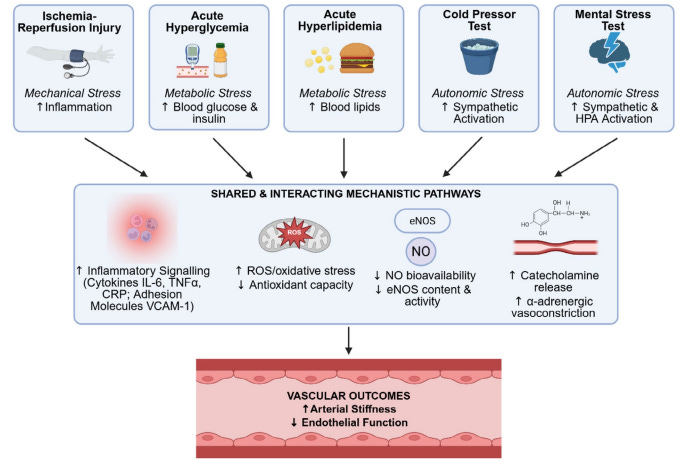
We found that these types of stressors often created a short period where artery function was impaired, resulting in arteries stiffening. One hypothesis is that repeatedly experiencing these periods of impaired vascular function may contribute stiffening, resulting in long-term cardiovascular dysfunction. However, we still have a lot to learn about how these short-term responses translate to disease risk.
We also found that there was very little research in women, leaving important gaps we are now looking to fill. Specifically, there is a growing area of research looking at female-specific conditions, like polyendocrine metabolic ovarian syndrome (formerly known as polycystic ovarian syndrome) and endometriosis.
2) Pregnancy
Another core “challenge” to the cardiovascular system and its ability to adapt is pregnancy.
While not all women experience pregnancy, those who do experience extraordinary changes to their body. There is no other period in the lifespan in which there is as much of a coordinated change, especially to the cardiovascular system.
Pregnancy is, in many ways, a natural cardiovascular stress test.
The figure below demonstrates dramatic changes that occur in the heart, artery size and function, and regulation of blood flow to support a developing child.
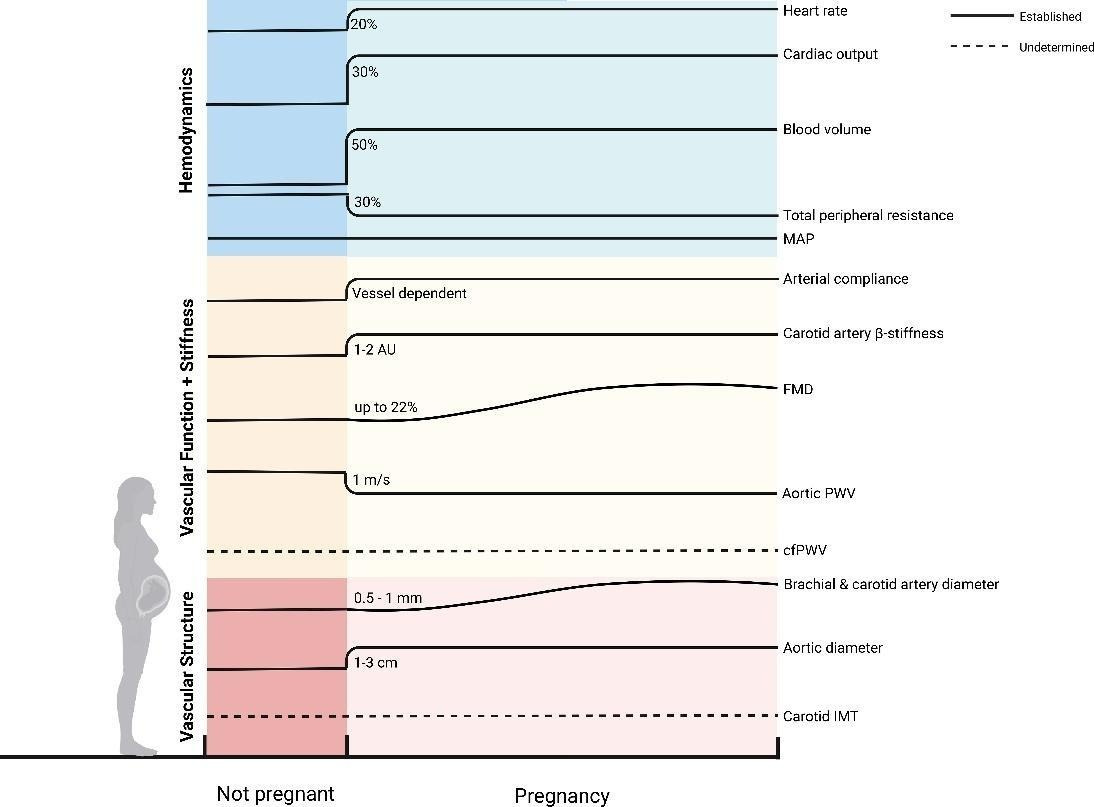
Not all women experience pregnancy the same.
Pregnancy can also cause or worsen underlying conditions during this period of cardiovascular stress—things like high blood pressure (preeclampsia, gestational hypertension), high blood sugar (gestational diabetes), and several other heart-related conditions.
A prior post shared how circulating levels of the molecular messenger growth differentiation factor GDF15 increase dramatically during pregnancy. Metabolic stress strongly increases GDF15 release, and supporting a developing embryo requires a lot of energy. Elevated GDF15 levels are also linked to cardiovascular diseases.
Taken together, this suggests that pregnancy may be a particularly high-risk period for the onset or progression of cardiovascular disease.
In addition, many women experience devastating loss through miscarriage. Some women also experience uncertainty and frustration going through fertility challenges and treatments. The US Centers for Disease Control reports that about 1 in 5 married women aged 15 to 49 with no prior births are unable to get pregnant after 1 year of trying.
While these experiences are common, it can often feel like you are going through them alone. And the stress of fertility and/or fertility treatments may have lasting impacts on cardiovascular health.
A recent article identified higher artery stiffness in large arteries that feed blood to the brain in women who had experienced a pregnancy with in vitro fertilization, compared to those who had pregnancy without fertility treatments. There are biological factors, like elevated follicle stimulating hormone, that can impact artery stiffness. However, psychosocial stress has also been shown to increase artery stiffness and is likely an important contributing factor.
What happens during pregnancy may therefore tell us something about cardiovascular health far beyond pregnancy itself.
3) Menopause & Postmenopause
The menopause transition is caused by a fluctuation and later drop in the sex hormones estrogen and progesterone. This is accompanied by symptoms like hot flashes, sleep disturbances, and mood changes, among many others.
This period also gives rise to changes to the cardiovascular system. Research suggests that changes in artery function and stiffness during the menopause transition may occur at a rate that exceeds the changes from aging alone.
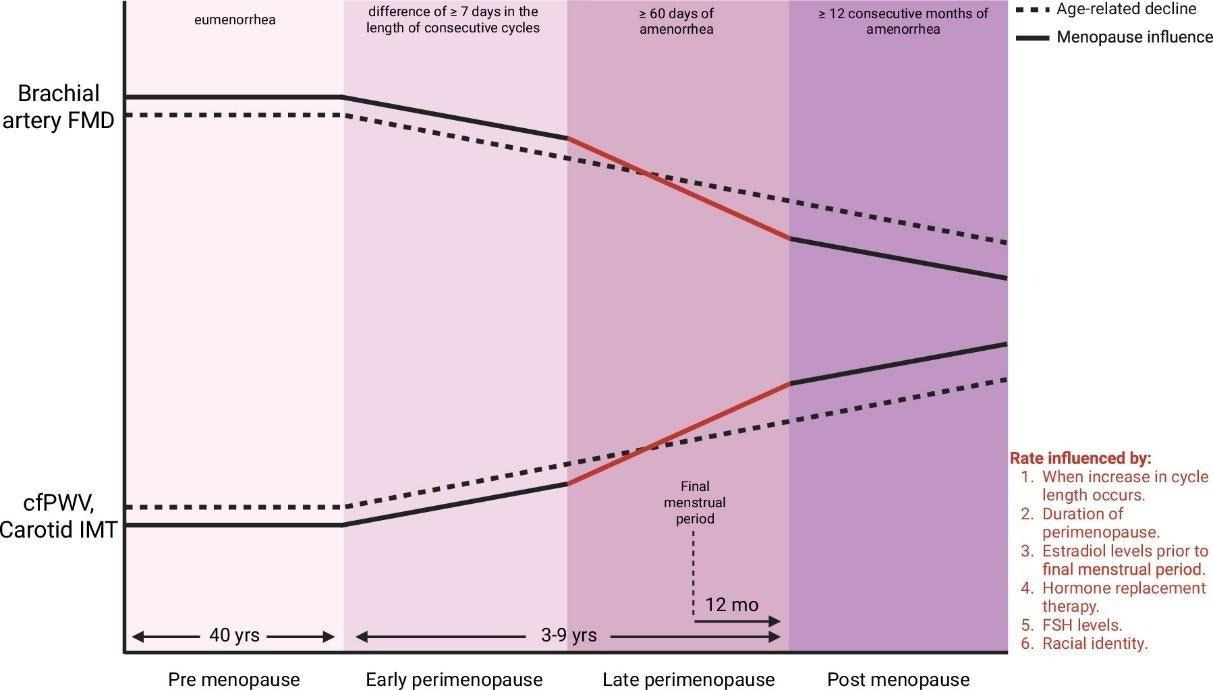
In addition, we know that GDF15 levels increase with age. So, as women progress through these life transitions, they are likely facing increasing metabolic stress as hormone levels change and they have to balance higher energetic costs of living with a limited energy budget.
There is emerging research into whether the timing of menopausal hormonal therapy influences cardiovascular health. Hormone therapy isn’t a universal cardiovascular treatment. There are benefits and risks depending on when therapy is started, and the type of hormones used and route of administration. This is an area that still needs more research.
The Future of Women’s Health
The health of our cardiovascular system and risk for developing disease is not static. It is impacted by life transitions and our day-to-day health behaviours. Similar to a patchwork quilt, a woman’s experiences going through these life transitions can provide insights into her cardiovascular health.
However, healthcare teams may not ask about your experiences with life transitions or know about how they impact heart health. So, it is important for women to advocate for themselves in healthcare settings, sharing both traditional and women-specific risk factors, and be proactive in monitoring their health.
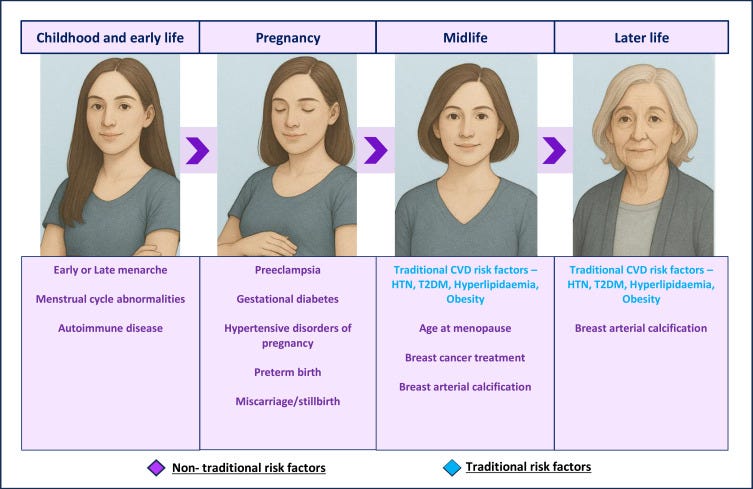
Substantial advances have been made in wearable technology to take measurements, deliver interventions, and provide solutions as women go about their daily lives.
But does this wearable tech capture the whole picture? Probably not.
Most sensors measure just one signal. Most devices delivering a stimulus act on just one target. Both categories of technology only cover a small piece of a deeply integrated information system that spans cells, organs and physiological networks.
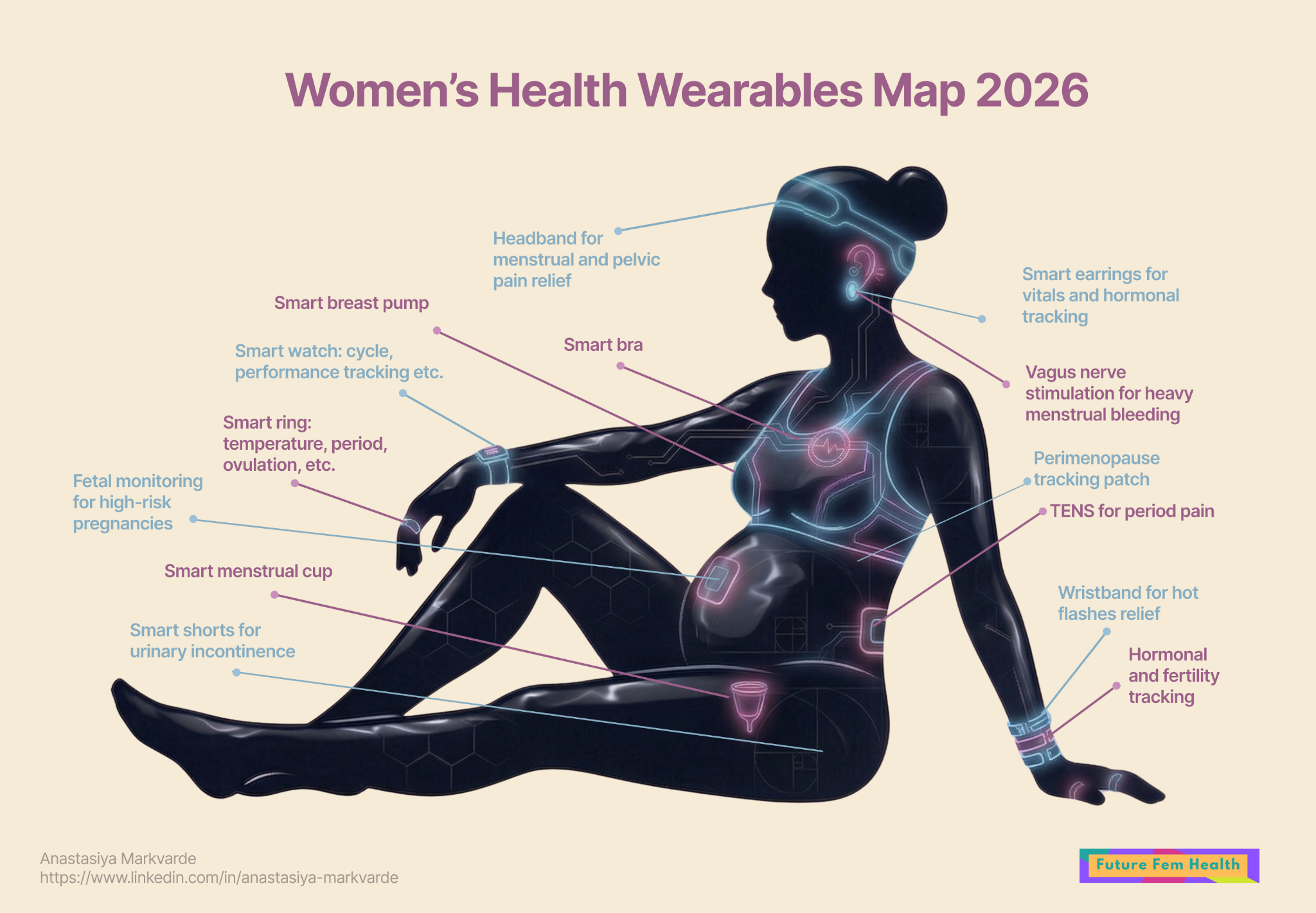
One dimension that is notably absent from this image is subjective experience.
Our feelings, perceptions, and life experiences have meaningful impacts on the same neural, hormonal, metabolic, and immune signals these devices are designed to measure.
And our bodies are experts and integrating and responding to complex information across many dimensions. Learning how to connect objective measurements with subjective experiences will be key for taking health sensing, and perhaps women’s health more broadly, to the next level.
If you are a woman, we encourage you to reflect on your own patchwork quilt and what women-specific transitions have you experienced? We encourage you to share this information with the women in your life. By recognizing and sharing these experiences, we can piece together the full picture of women’s cardiovascular health, examine how it is shaped by energy and other factors, and ultimately better understand and prevent heart disease.
You can find out more about women’s cardiovascular health through the Canadian Women’s Heart Health Alliance.
If this post resonated with you, please consider sharing it with others.
Hi Jennifer and Nirosha, I have really enjoyed your series on women’s heart health - it’s wonderful to see women’s heart health getting the attention it deserves. Another factor worth exploring is the environment we live in every day.
Two papers published this year bring this into focus. https://doi.org/10.1152/physrev.00015.2025 examines how circadian timing shapes cardiovascular function, metabolism and repair. Yet modern interiors can weaken those timing signals, with dim days and illuminated nights blurring the contrast that helps synchronise our biological clocks.
The new https://doi.org/10.1093/eurheartj/ehag563 adds another dimension: among more than 11,000 people, greater nighttime light exposure was associated with subtle differences (but dose dependent) in heart structure and function on MRI around three years later. Shorter sleep explained only part of those associations.
What strikes me is how practical some potential interventions could be. Blocking streetlight from a bedroom or removing unnecessary overnight illumination reduces an exposure that otherwise repeats every night. While the study is observational, the https://doi.org/10.1093/eurheartj/ehag650 is already calling for trials of interventions including blackout curtains.
Perhaps future visits to the cardiologist will include questions about light exposure along with the usual discussions about -diet, exercise and smoking. Wouldn’t it be wonderful if a set of blackout curtains could turn out to be a remarkably simple, risk free form of cardiovascular prevention.
I really like the quilt as a way of thinking about women’s health across life transitions, especially the idea that we enter them with a physiological history already in place.
What still feels unresolved is why women with similar hormone levels can have very different symptom burdens, or respond so differently to the same treatment. Terms such as progesterone resistance, intolerance or estrogen dominance may describe what we see without fully explaining the response.
I would love to see more attention paid to the state of the system in which hormonal change occurs: metabolic, vascular and autonomic regulation, tissue metabolism, and accumulated physiological load.
And perhaps more comparison across sexes too: which mechanisms are truly sex-specific, and which are shared physiology operating in different hormonal contexts?
That may be where some of the missing pieces of the quilt still sit.