

LIVED EXPERIENCE
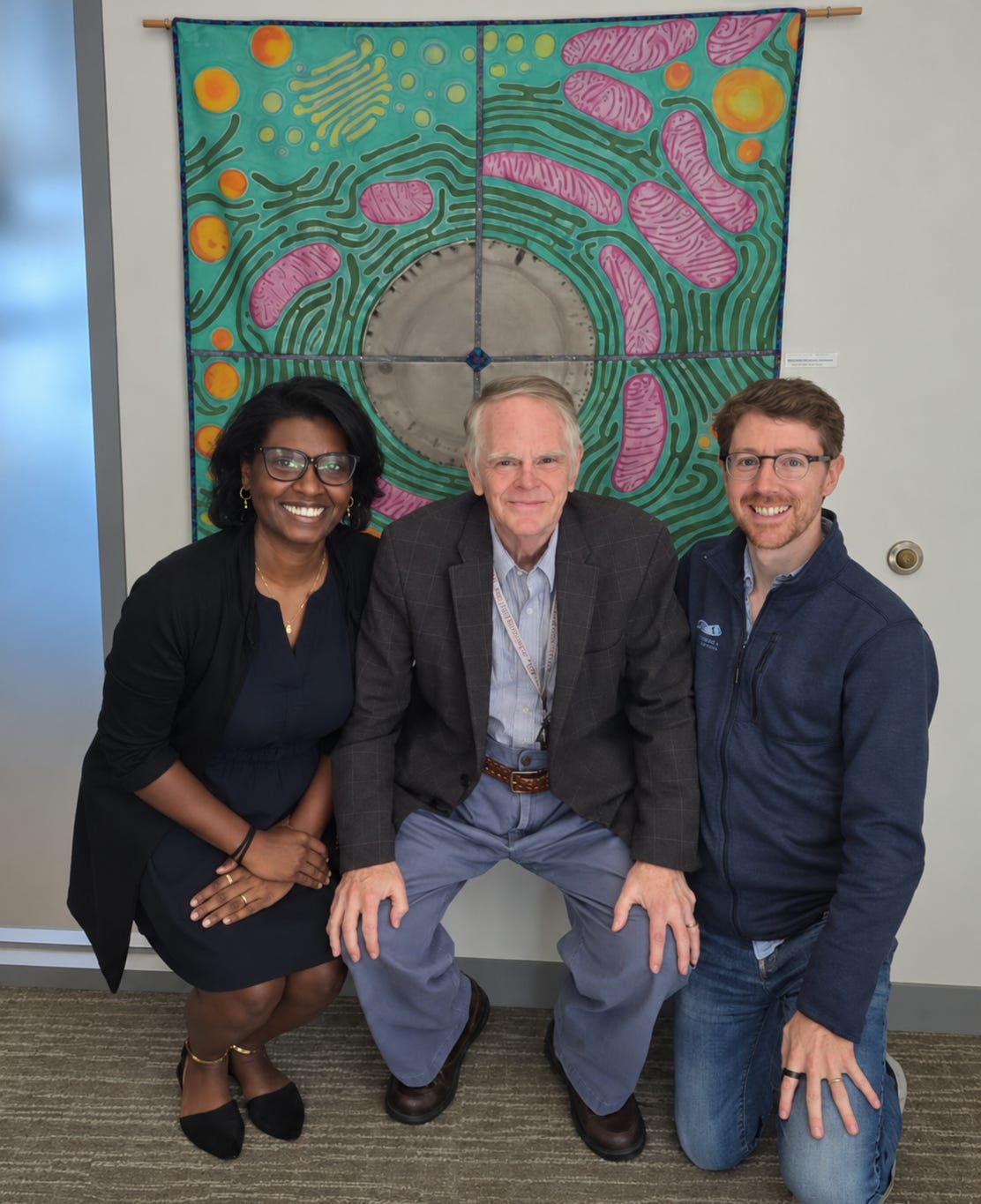
I (Martin) had the chance to train with Doug for three years after my PhD.
We worked together, wrote papers together, but never got down to the bottom of it.
What has moved him to for over fifty years to do what he does?
About ten years later, with wonderful Nirosha,
we took the train down to Philadelphia to find out.
Driven By Curiosity
Doug Wallace is one of the scientists who helped establish the field of human mitochondrial genetics.
He showed in 1981 that we (and other animals) get our mtDNA from our mothers. He found the first mutation in mitochondrial DNA that caused a human disease (LHON, which we discussed in a previous story). And his group also showed how variation in the mitochondrial genome can provide insights into our evolutionary history as humans.
More recently, Doug proposed that mitochondria and energy may offer a framework allowing us to understand aspects of health and disease that remain unexplained by conventional medicine.
For Martin, the conversation was also personal. Early in Martin’s career, from 2012 to 2015, he trained with Doug in Philadelphia. He was deeply influenced by the scientific world that Doug helped create.
But during those years, they rarely talked about why Doug chose this path. What makes a scientist spend a lifetime pursuing questions that other people think are unimportant, implausible, or too unconventional to ask?
So Martin asked him: “What moves you, Doug?”
Doug’s answer was simple. “I want to know why.”

As we sat in office chairs around an empty desk, Doug told us that this impulse went back as far as he could remember. “As early as I can remember, I wanted to know why,” Doug said. “Not just to be annoying to my parents, but because I really cared.”
Doug grew up in a Methodist family, where he was taught to look to religion for answers. “I found that that didn’t answer the questions for me,” he recalled. “But from the very beginning, I was fascinated with evolution, with biology and things of that nature.”
As a college student, Doug packed his schedule with science courses because he wanted to understand life. When an advisor questioned his overloaded schedule, Doug’s response was essentially that learning about science is why he was there.
“I wanted to be a philosopher who understood life,” he explained.
Before “scientist” became a professional identity, people investigating nature were known as natural philosophers. They were trying to understand both the visible world and forces they couldn’t yet explain. Light and magnetism, he reminded us, once belonged to the realm of “magic.”
What used to be woo is now the topic of leading physics laboratories.
This same persistent willingness to pursue what isn’t yet understood has shaped Doug’s career, and along with it, some of the most important discoveries in mitochondrial biology.
Where Did Humans Come From?
One question that fascinated Doug early in his life was where humans came from.
Mitochondrial DNA offered an elegant way to investigate it. Unlike most of our DNA, we only inherit our mtDNA from our moms—as Doug found out in 1981. Mutations accumulate sequentially over generations, creating branching lineages that can be used to reconstruct parts of human history.
In the 1990’s, Doug and his team traveled the world to collect mtDNA from native populations. Their results helped develop the idea that these mitochondrial lineages aren’t just passive historical markers. Because mitochondrial genes help regulate cellular energy transformation, some variants may have affected how populations adapted to different environments as humans migrated around the world.
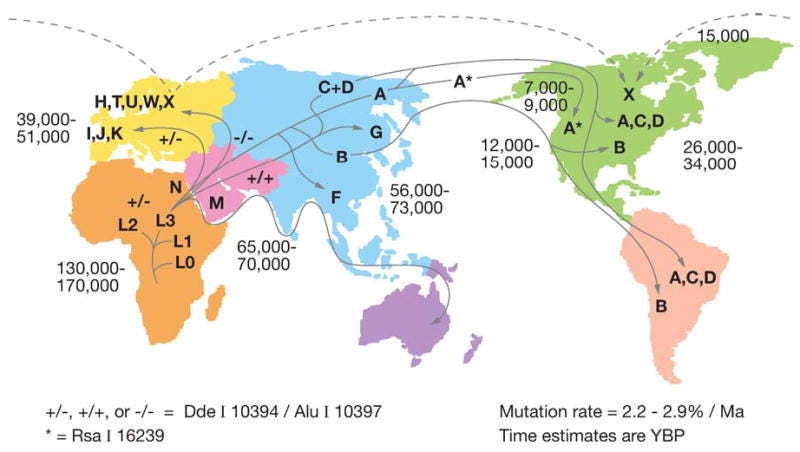
Doug suggested how mtDNA variation can influence metabolism, physiology, longevity, and susceptibility to disease. He argued that energetic adaptation helped shape “the ascent of man.”
Changes in the mtDNA allowed humans to move out of Africa to colonize temperate Europe, he reasoned. Then further changes allowed our ancestors to move to Asia. And later, to cross the Bering straight and populate the Americas. Today, we find different mitochondrial lineages enriched in different human populations around the world.
Throughout our conversation, we were struck by the way Doug has been drawn to questions that cut across conventional boundaries between disciplines.
Genetics led him to evolution. Evolution was affected by energetics. And energetics provided a way to ask a much bigger question: What made us who we are?
For scientists and other professionals, there is a lesson here. The most interesting question may not fit neatly inside your particular field. Sometimes, to address those big important questions, you have to cross boundaries and build bridges.
You have to get out of your lane.
A Pivotal Moment
A pivotal moment in Doug’s career happened when he was on the faculty at Stanford University. After about 6-7 years of work, at institutions that offer tenure, a faculty member has to get tenure or leave the institution. That’s the up-or-out model, also known as the tenure clock.
And Doug’s tenure clock was up.
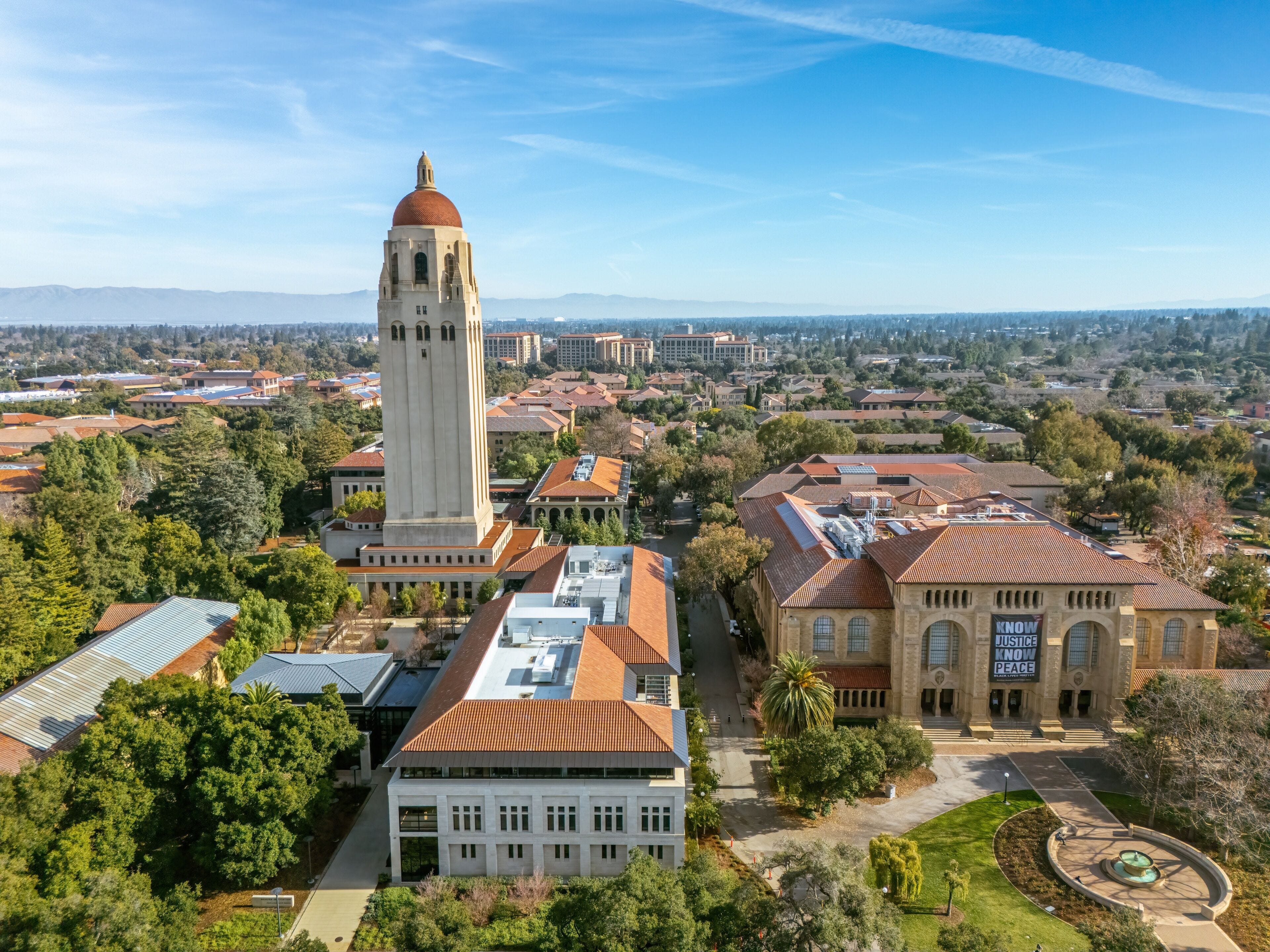
“I was told when I was denied tenure, that mitochondria have nothing to do with medicine. And that if I’d worked on the nuclear genome, I would have easily gotten tenure,” Doug shared during our conversation in Philadelphia.
“Then I didn’t want tenure here.”
Doug didn’t become a scientist to have a fancy title at Stanford. “I came here to discover something,” he told us.
There is a deep lesson about the social nature of science in that story. Doing science involves more than creating new knowledge. Scientists are human beings who work with others who play an important (implicit) role: defining which questions matter, which approaches are credible, and which research directions are worth pursuing.
In science, your peers decide whether what you’re doing is worth it.
During our discussion that morning, Doug pointed to the careerism that has seeped into science with some concern.
When professional success and the ability to make a living depend on working within the accepted framework, having unconventional ideas becomes risky. Intellectually and personally.
Challenging the norms in science can even become threatening to the existing hierarchy. And there are real costs and implications for a young scientist’s path.
So, what happens to scientific discovery when meeting career milestones becomes more important than following truly innovative lines of inquiry? Often, it stalls, or we get stuck iterating on solutions that may not be the best way to address a problem.
Martin remembers that tension.
Early in his faculty career, he was advised to focus on work that would get him tenure. “Everything you do must be in service of tenure,” advised a well-meaning senior advisor at Columbia.
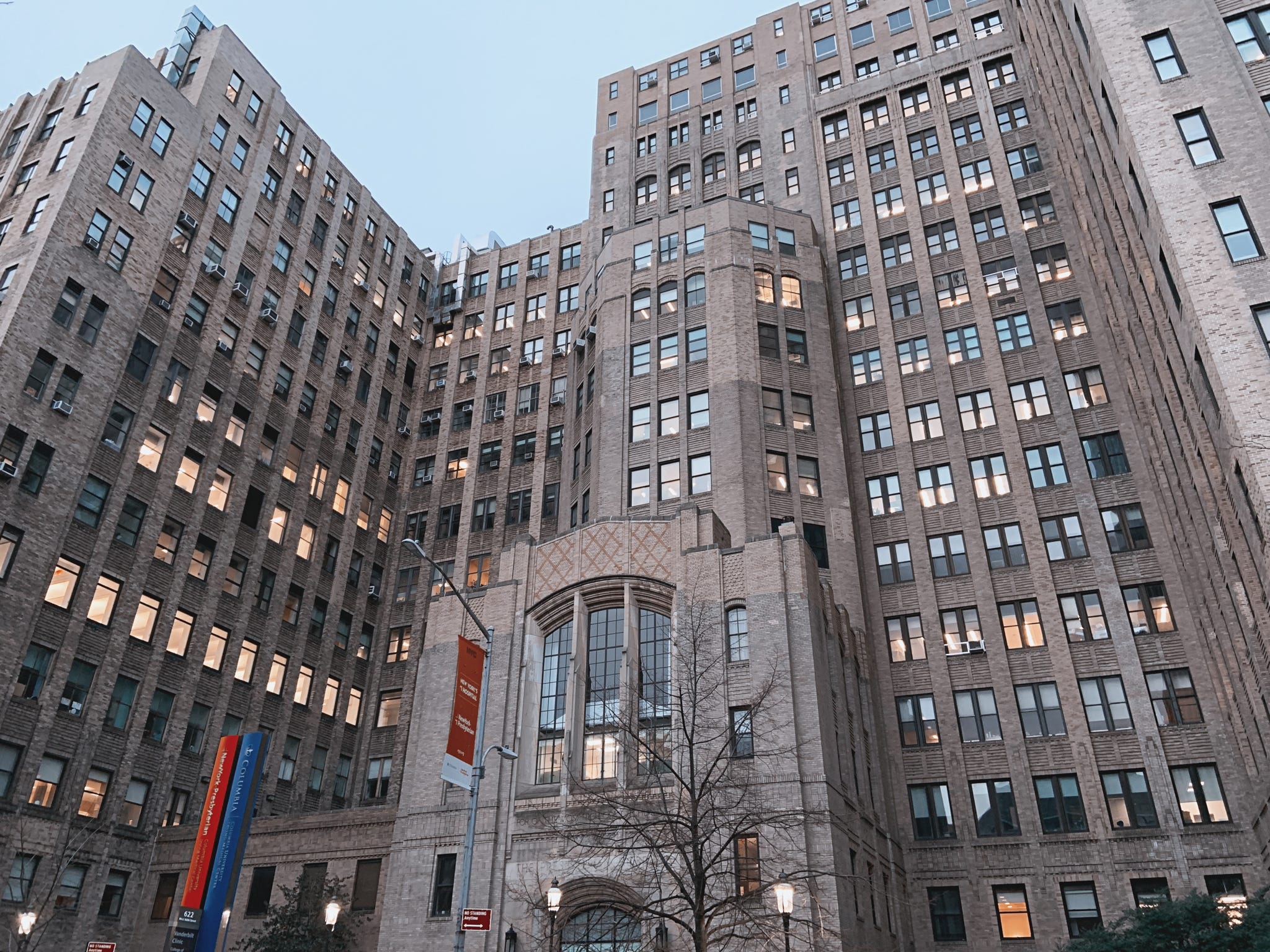
But some of the work he most valued involved bringing different fields together. And working on things that felt uncertain, with an uncertain outcome. “I feel most comfortable at the intersection of disciplines,” he told Doug, “I think that’s what I have to contribute to science, and to the world.”
Doug didn’t let the setback of tenure stop him. He moved to Emory University, in Atlanta. He kept doing the research that he felt was most captivating. Most meaningful.
Decades after being denied tenure at Stanford, Doug keeps asking deep questions. And thanks to his persistence, the field of mitochondrial biology stands taller.
Are Mitochondria Behind the Energy of “Chi”?
Doug thinks a lot about not only mitochondrial biology, but the system of medicine. As we talked, he described the distribution of our medical knowledge as a dartboard.
Western medicine, he explained, has become extraordinarily good at studying the anatomical half of the board. Since the days of Andreas Vesalius, modern medicine has built a detailed understanding of organs, tissues, cells, molecules, and genes.
That physical understanding of how our bodies are structured at multiple levels has been transformative for human health. But it is incomplete.
“We only throw the darts at half of the board,” Doug said.
The mostly ignored, other half of the dartboard is energy. An idea that resonates deeply with an earlier TSEE conversation on the needed shift from genetics to energetics for biomedicine.
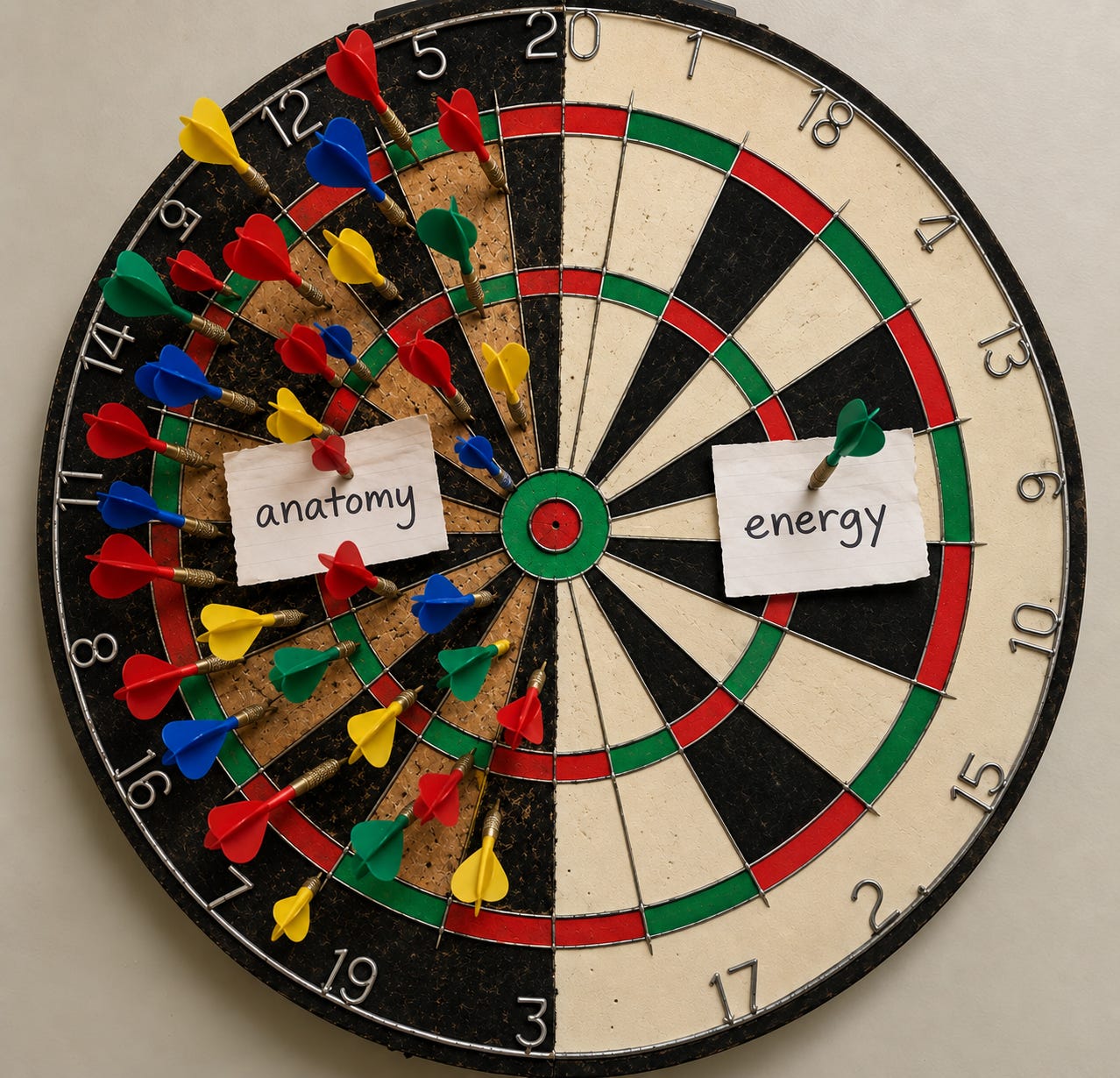
We aren’t just a collection of structures or a molecular machine. Our bodies are dynamic, energetic processes. To exist, we require the continuous flow and transformation of energy.
Energy is needed for every movement, immune response, heartbeat, and every thought. And it’s in our mitochondria that energy transformation and other aspects of energy biology unfold, with every breath.
What if we started deliberately aiming our scientific darts at the other half?
Doug proposed that Western medicine’s structural and genetic frameworks could be complemented by an energetic framework centered on mitochondria.
Studying energy and energy transformation could potentially reveal aspects of living systems that have been overlooked by our existing frameworks in science and medicine. For example, we may be able to learn from other medical traditions if we study their energy-based practices with rigor.
We talked with Doug about traditional medical systems that have described health in terms of energetic concepts for thousands of years. For example, a major part of Asian medicine is the concept of “chi,” which can be translated as “vital force or energy.”
Could mitochondria underlie chi?
Instead of dismissing ideas because they don’t fit our modern biomedical frameworks or accepting them without compelling evidence, Doug wants to study them using modern bioenergetic approaches.
He suggested that Traditional Chinese Medicines could include interventions that had, through centuries of empirical experimentation, stumbled upon ways of altering mitochondrial function.
The idea that we can now use modern tools to investigate health practices developed hundreds or even thousands of years ago is exciting to us as well.
As scientists wade into this unknown territory, they’re likely going to be wrong at least some of the time. That’s how science works.
And that’s where the potential lies to reveal findings we hadn’t considered, new treatments for diseases, and new approaches for supporting our ability to heal and optimizing our health. And we’ll never know if we don’t start asking these questions.
The larger lesson isn’t that ancient traditions already had the answers. It is that our framework determines where we think to look.
“Paradigms are very powerful,” Doug quipped, “but they are limited.”
How might medicine change if we considered this energetic dimension of life with the same attention that we’ve given the anatomical dimension?
Mitochondria And The Landscape of Energy Biology
Our conversation also treaded into territory that is far less established.
Doug mentioned that he is increasingly interested in what is often called “quantum biology,” although he prefers a different term. “Energy biology is a little better,” he said, “because quantum biology is too narrow.”
This is where our discussion dove into the depths of curiosity, pushing the edges of what a mitochondrial biologist would typically think about.
For Doug, energy biology includes potential physical and quantum effects that offer a way to think across typical diseases silos. He described questions spanning cancer, inflammatory bowel disease, connective tissue disorders, and psychiatry—what ties them all together?
Could magnetic fields influence mitochondrial processes? Are some properties of living systems better understood as collective or field-like phenomena than as the sum of individual molecules?
Doug described experiments done by his colleague Shey-Shing Sheu, examining the impacts of magnetic fields on bioenergetics and mitochondrial enzymes in heart muscle cells. Exposure to a low magnetic field induced a bell-shaped increase in maximal mitochondrial respiration—up to 40%.
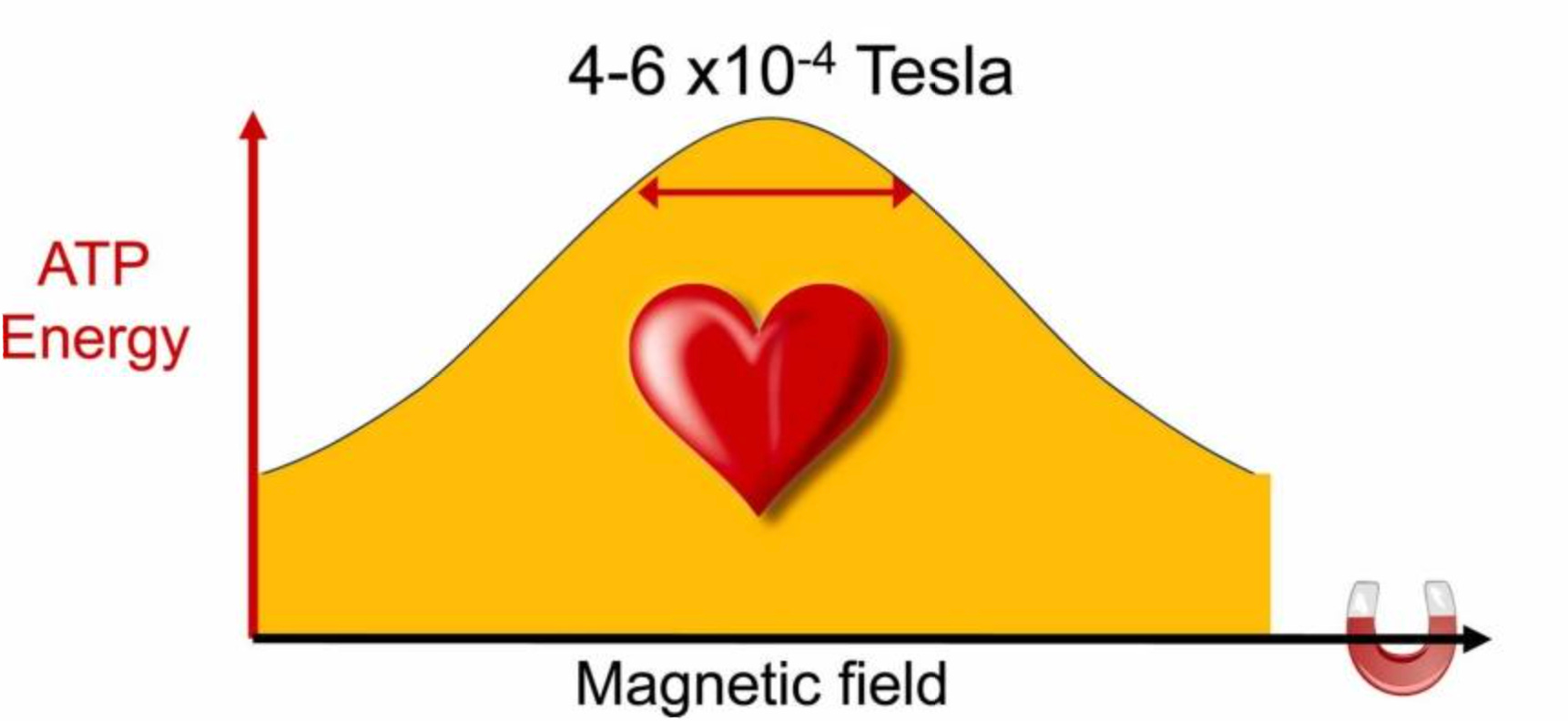
He also discussed how magnetic fields could potentially alter the effects of drugs like lithium through quantum effects.
Nirosha and Doug shared what drives their curiosity and how their careers now overlap. Like two traveling waves—light and electromagnetic fields, they started to resonate.
Could these non-physical, non-molecular signals alter mitochondrial respiration and redox signaling? The data says yes.
As Nirosha discussed earlier on TSEE, could this have consequences for reprogramming disease and promoting healing?
Doug’s new work with colleagues offers an experimental starting point, showing that low magnetic fields can alter respiration and reactive oxygen species production in isolated rat heart mitochondria. Their conversation opened up interesting possibilities for developing new therapies that harness physical signals to improve cellular function in mitochondrial disease.
Our exchange with Doug was refreshingly open.
As we neared the end of our time with Doug, Nirosha asked him about how he deals with skeptics and the “arrows on the back” that came with his unconventional research.
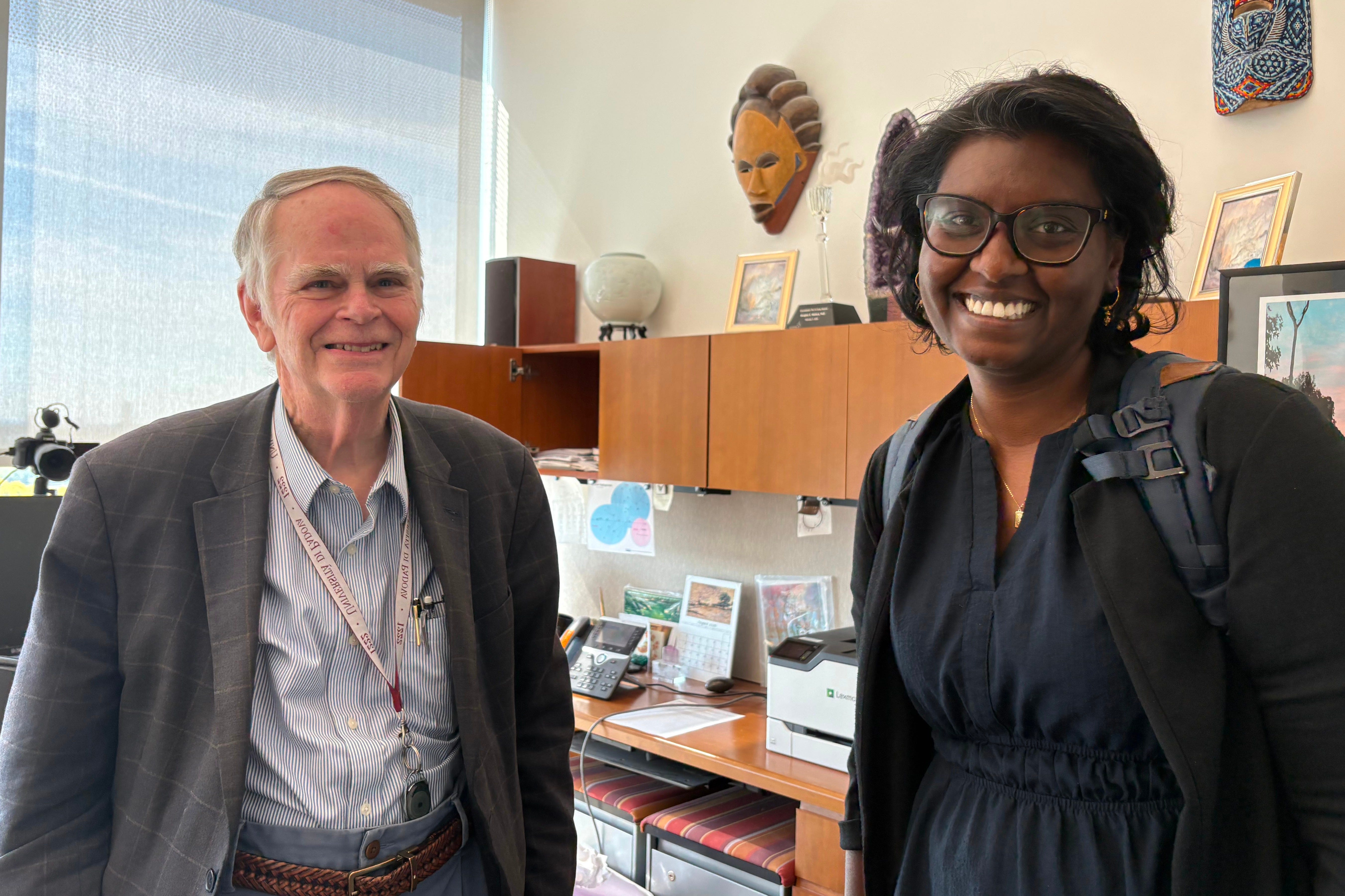
Throughout his career, as he kept pushing the boundaries of the field and faced resistance from institutions, he repeatedly had to rebuild mitochondrial medicine programs.
Science needs skeptics. But it also needs people willing to let new ideas come through—pushing the boundaries past what’s already accepted. It needs to feel safe to dive into the abyss of the unknown: the only place where we can find new truths about ourselves.
What Gives Us Energy
“Doug, what gives you energy?” Martin asked.
“A new idea,” he replied. “That’s really what’s important to me.”
That answer captures Doug better than any list of discoveries could.
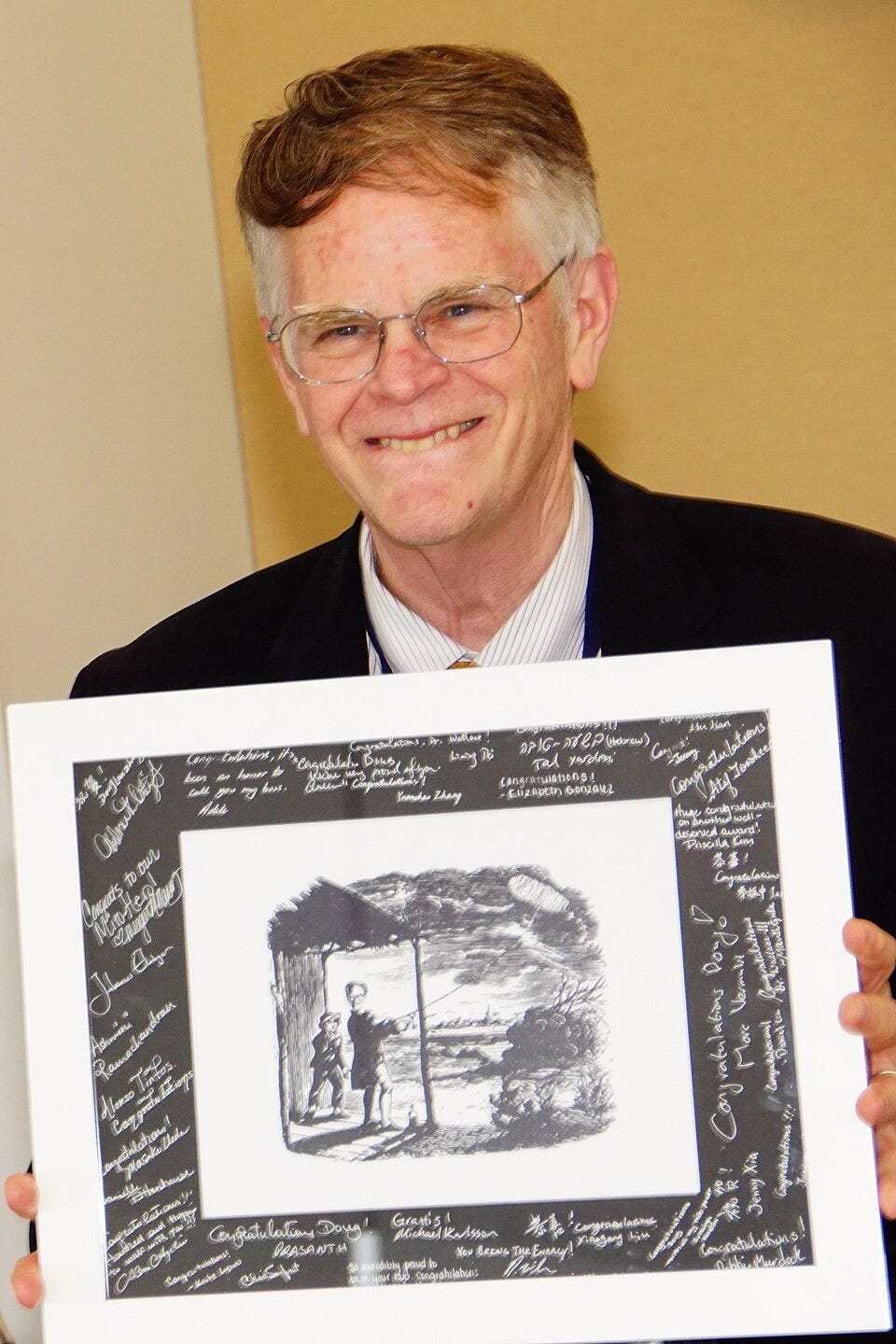
When Martin trained with him, Doug had already transformed mitochondrial genetics. What inspired Martin and Nirosha though wasn’t what Doug had discovered. It was Doug’s exemplary demeanor as a scientist who kept moving forward toward difficult questions.
Doug wanted to know how mitochondria relate to evolution, disease, ancient concepts of energy, and physical phenomena that could be relevant for biology. He wanted to understand where we came from.
Along the way, he didn't let challenges, barriers inherent to institutionalization of science, or intellectual resistance stop him.
For others working at the edges of established fields, Doug has been an example and an inspiration.
If an idea is unconventional, that doesn’t inherently make it valuable or correct. But it also doesn’t make it wrong. Science has a responsibility to provide the conditions for examining all questions rigorously.
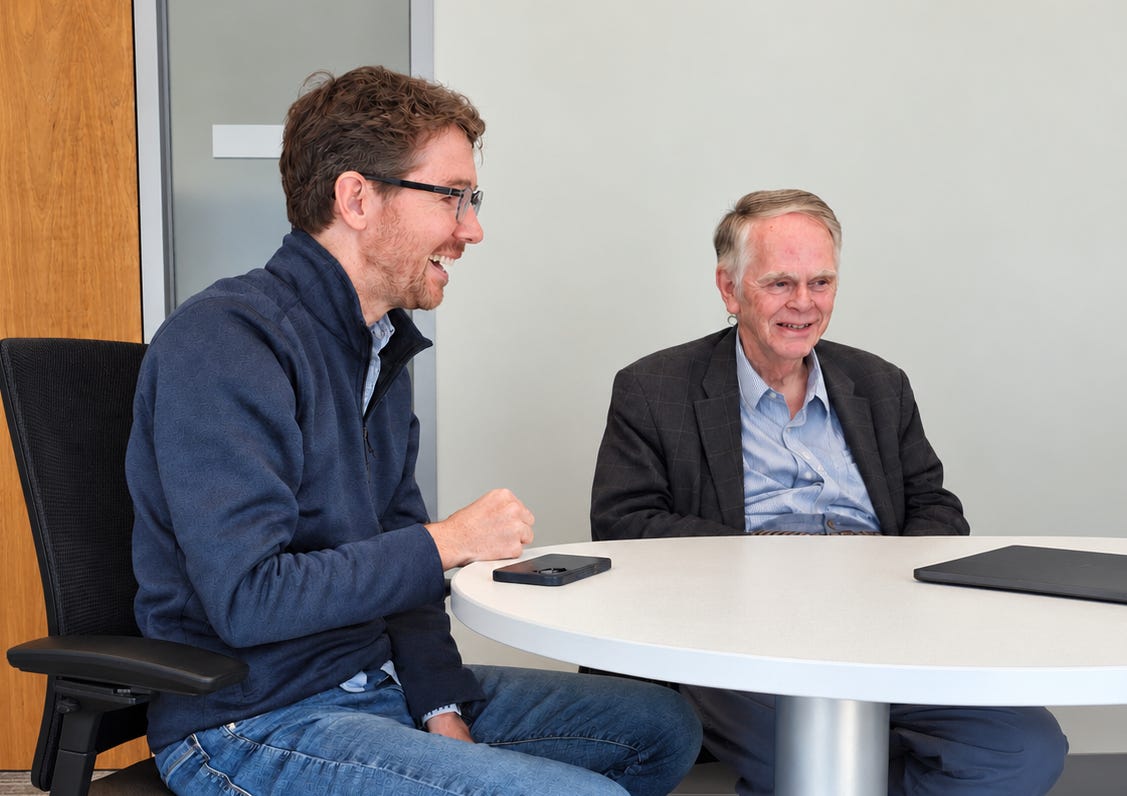
At the end of our day together, we sat with Doug for a lovely lunch at the White Dog Café—his favorite place to eat.
Doug will turn 80 this year. He’s seen science grow and evolve for over five decades.
Human history is full of phenomena that were once mysterious but later became measurable and mainstream. The boundary between these is always moving. To maintain progress and forward momentum, like Doug, we must keep asking why and pursuing new ideas.
We’re grateful for the precious time we got to spend with Doug. He reminded us to remain deeply curious. That kind of curiosity is what keeps us asking questions that stretch beyond what we already know. It’s the seed of every discovery.
Curiosity.
As we explore what mitochondria, energy, and the human experience might help us understand about how we can flourish and be the best versions of ourselves, curiosity is the spirit we must keep alive.
If this piece resonated with you, join the growing movement
around the science and experience of energy.
@Martin Picard great to hear the course of history through the lens of Doug’s career. Thank you.
Very interesting discussion. Oh the politics of higher education. Reminds me of many stories I recall while working on a Doctoral Degree at the Department of Theory and Policy, Higher Education, Professions at the University of Toronto. I am very happy some people push against the grain.