

ENERGY SCIENCE
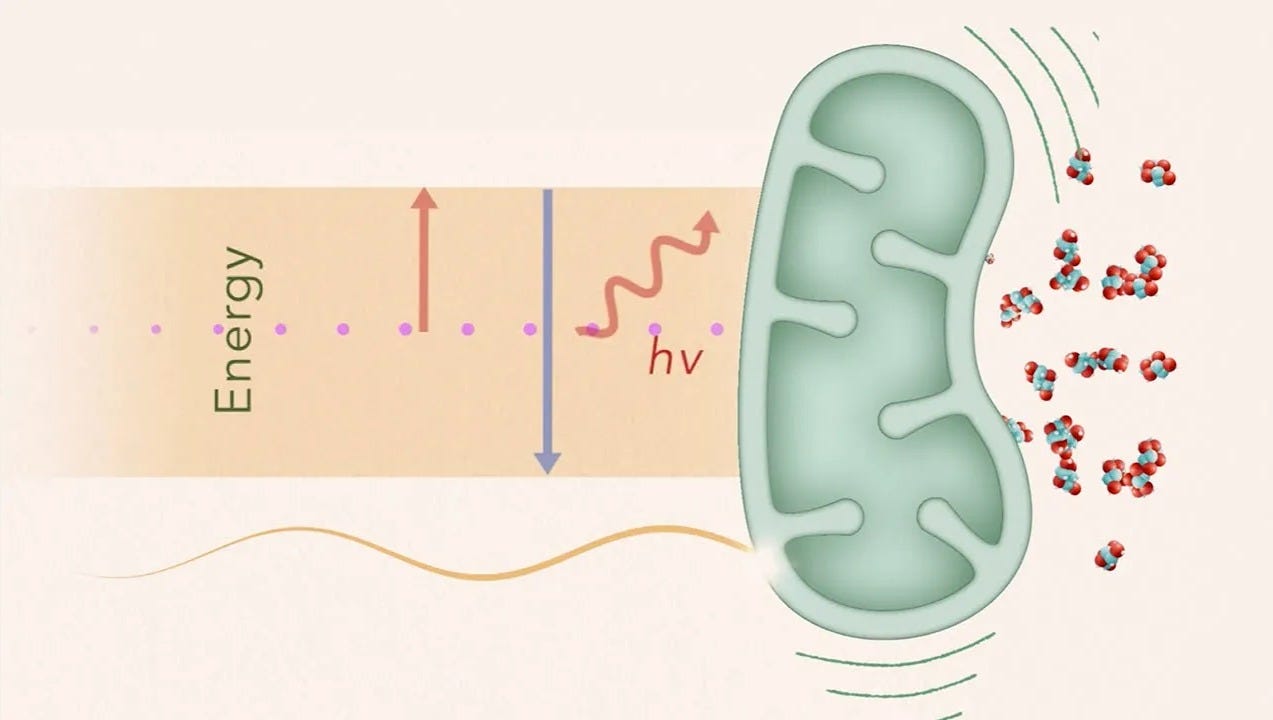
The way we think about health and disease continues to evolve. Exciting recent progress is bringing an energetic view of health to the forefront of science. In this article, we share four energetic principles that govern how energy behaves to help us heal and preserve health, or contribute to disease.
We often describe living organisms as marvelous molecular machines.
The heart is portrayed as a powerful pump, the brain as a computer, and cells as protein factories, etc. As if these elements had been assembled by the skilled hand of evolution, laboring over hundreds of millions of years and ingeniously whipping up parts of utmost beauty and purpose. Sticking pieces together into functioning wholes.
As the story continues, those whole organisms full of individual parts then manage remarkable functional feats allowing them to reproduce, grow, learn, and develop. They even have conscious experiences arising from the “burning” of energy.
That’s how generations of biologists have been taught to think of organisms—as little combusting machines.
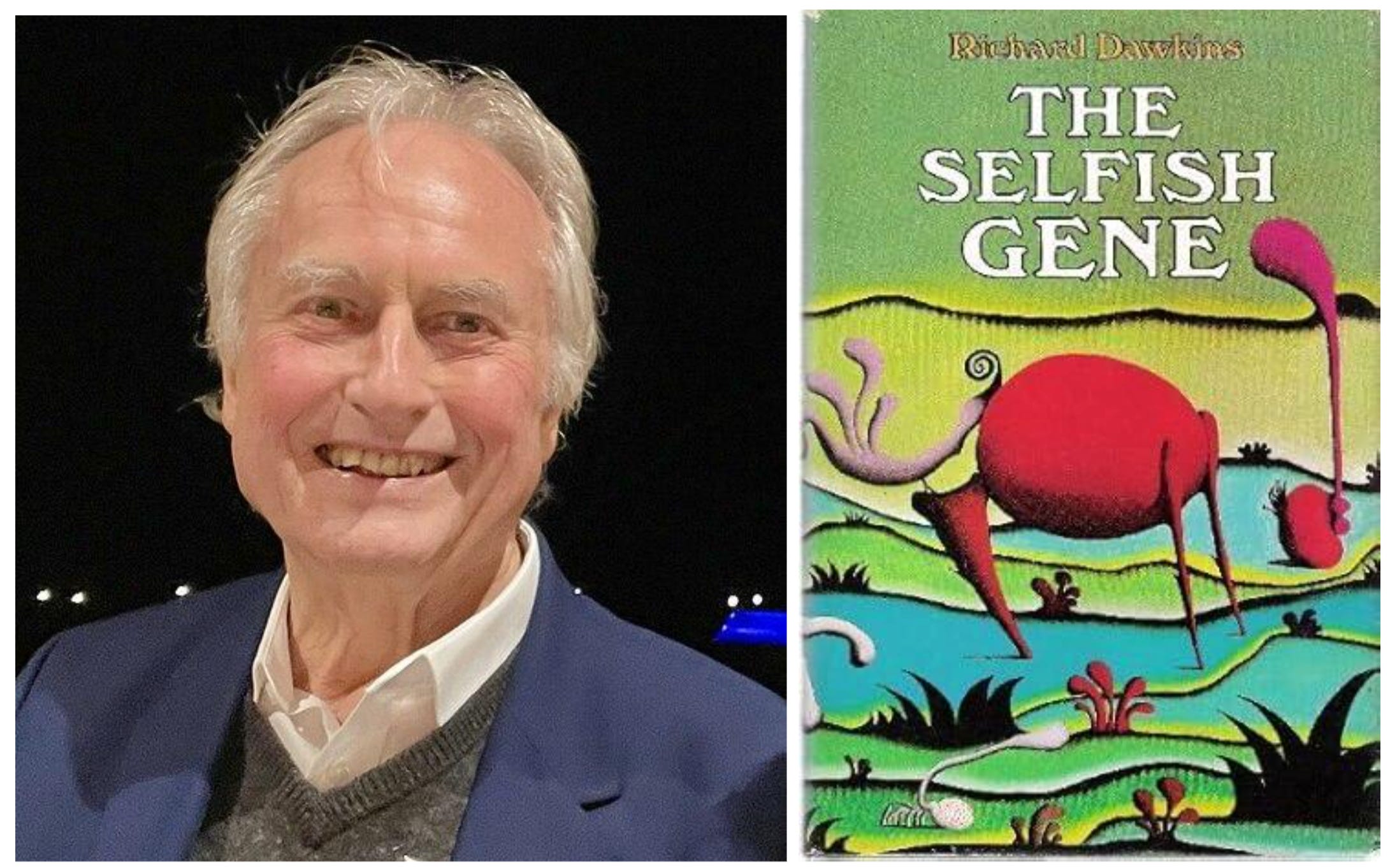
A most famous sponsor of that story, Richard Dawkins has elevated genes to the status of “selfish” elements. Essentially, he proposes, selfish genes dictate the world of biology like molecular puppet masters.
That’s one story.
The other story worth considering is one in which living creatures are first and foremost energetic systems. That story describes how life’s very existence emerges not from the mechanical interaction of parts, but from the flow of energy through those parts.
Without energy flow, the parts would lay there, jiggling away like Brownian particles suspended in solution, predictably obeying the laws of thermodynamics. According to the second story, energy flow is what patterns those structures.
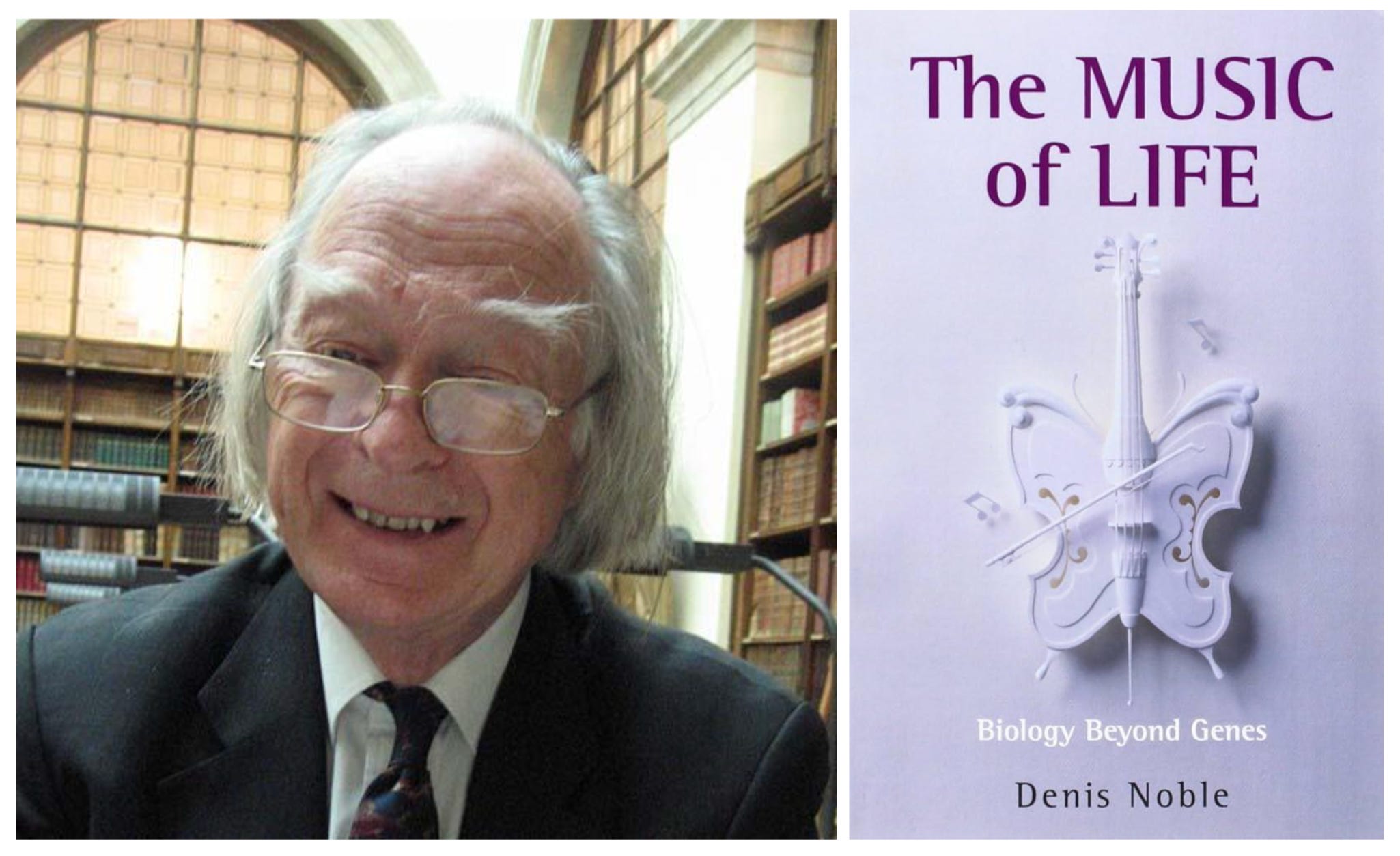
Telling that other story from the point of view of a physiologist, Denis Noble has described biology as The Music of Life.
Noble points out that although some elements of the music are indeed written in a physical score based on a 4-letter code, the living music is much more than notes on a page.
Life, he says, is a dynamic unfolding of sounds and silences. Of spaces between the notes. It involves rhythmic arrangements of tones and volumes that produce patterns of incomparable richness.
Compelling arguments have been made supporting both stories.
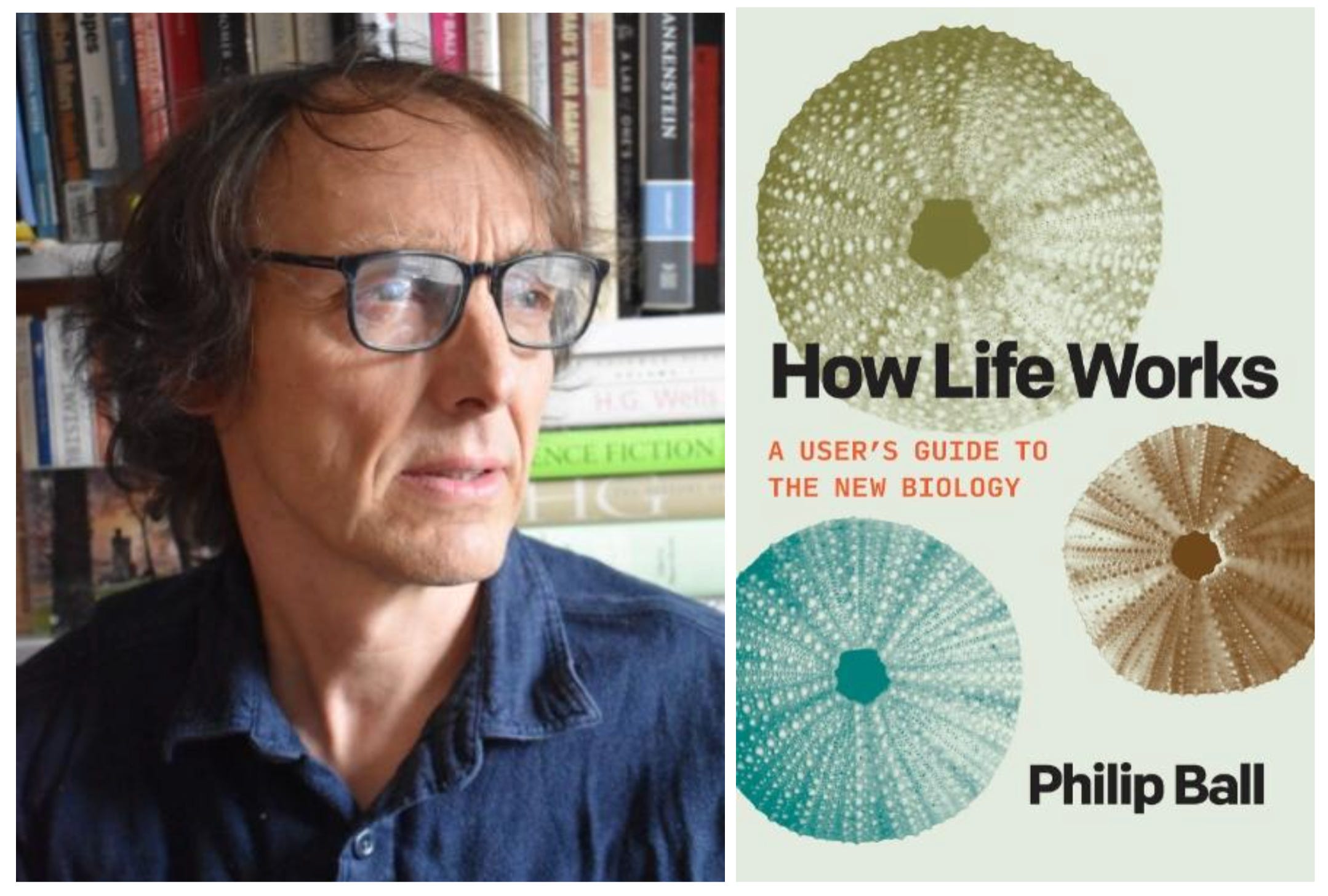
And now—integrating decades of debates, theories, and empirical observation, Phillip Ball tells what is perhaps the most compelling story to date.
In How Life Works, Ball presents life as a multi-level system where each level has its own rules and principles. Genes, proteins, cells, tissues, organs, and organ systems are each distinct levels that can operate, interface, and work together to make us who we are.
Life isn’t a story driven by genes but by the dynamic interplay, agency, and emergent principles across all those levels—shaped by constant feedback, environmental context, and the organism’s own active decision-making.
But what fundamentally brings all of this to life?
Energetic Principles of Health
Here on TSEE, we’ve previously introduced some key principles that connect energy and health. We look forward to continuing exploring these principles together.
In this post, we summarize the four principles that have emerged over the past two years, transforming our perspective of biology and giving us new tools to think of ourselves energetically.
1) Energy Resistance Principle (ERP): ERP explains how resistance to energy flow (éR) is necessary, but excess éR drives damage, dysregulation, and disease.
This principle bridges sub-cellular energy dynamics to internal signals to the human experience. It is relevant at very small scales, building on the biophysics of energy within our mitochondria; and it has downstream implications all the way up to the level of whole organisms and behavior.
We’ll explore the ERP in detail next week.
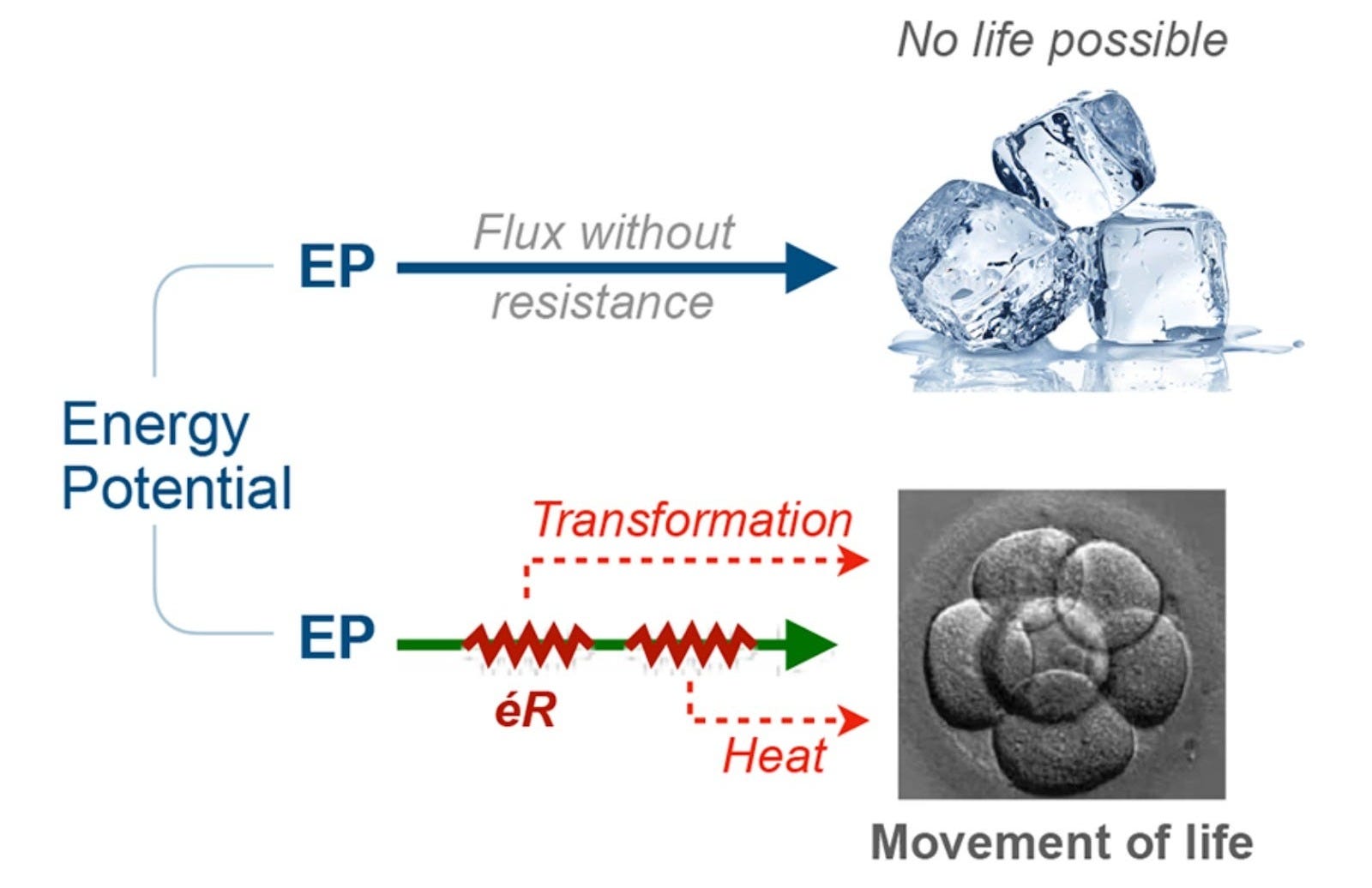
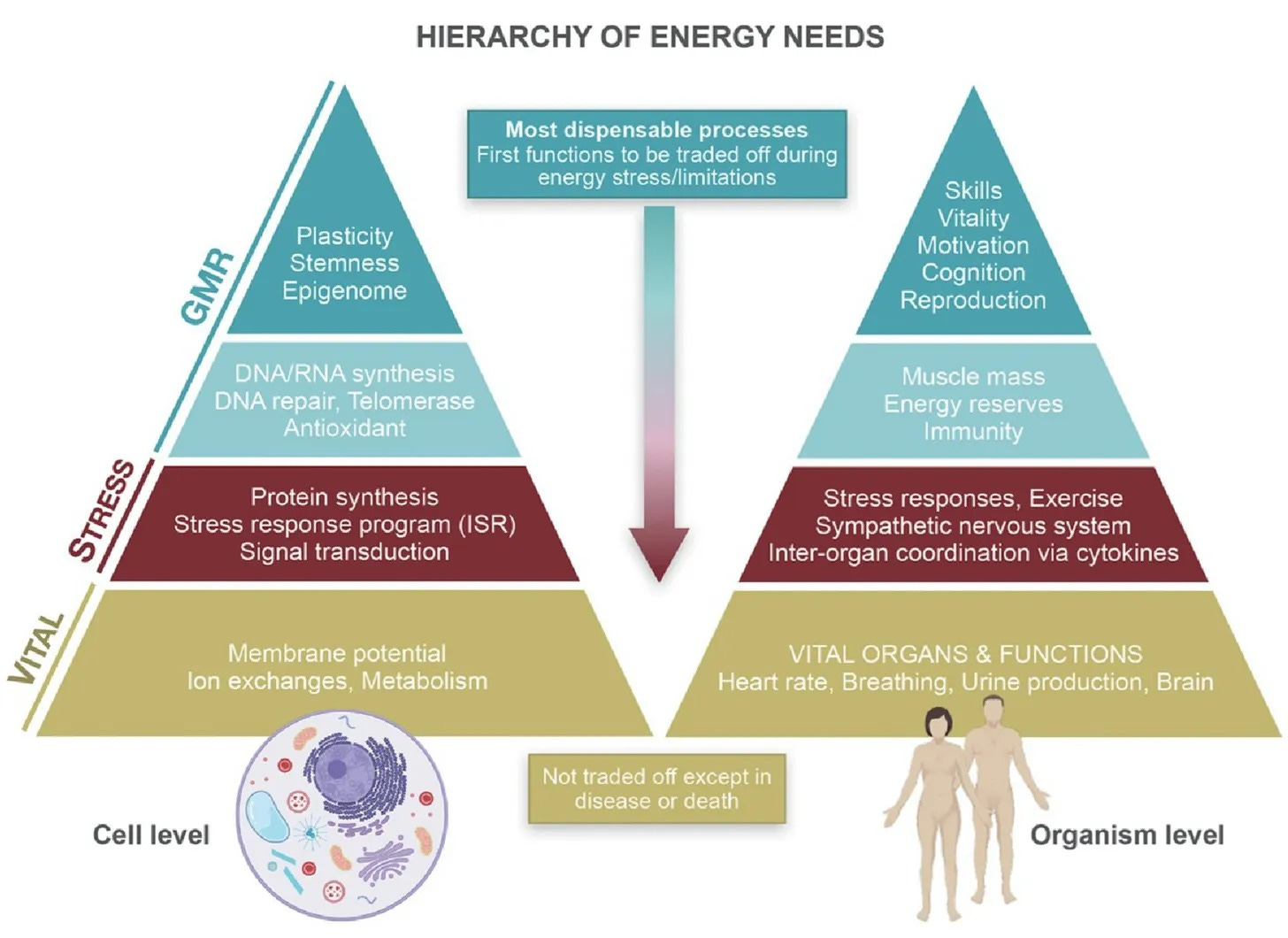
2) Energy Constraints (EC): In a genetically and structurally intact organism, competition for energy and energy tradeoffs are happening all the time, and excess energy expenditure over long periods can drive disease symptoms.
This principle applies to the physiology of your cells and organs, based on a hierarchy of energy needs. The EC model highlights opportunities to promote the optimal allocation of energy to support health.
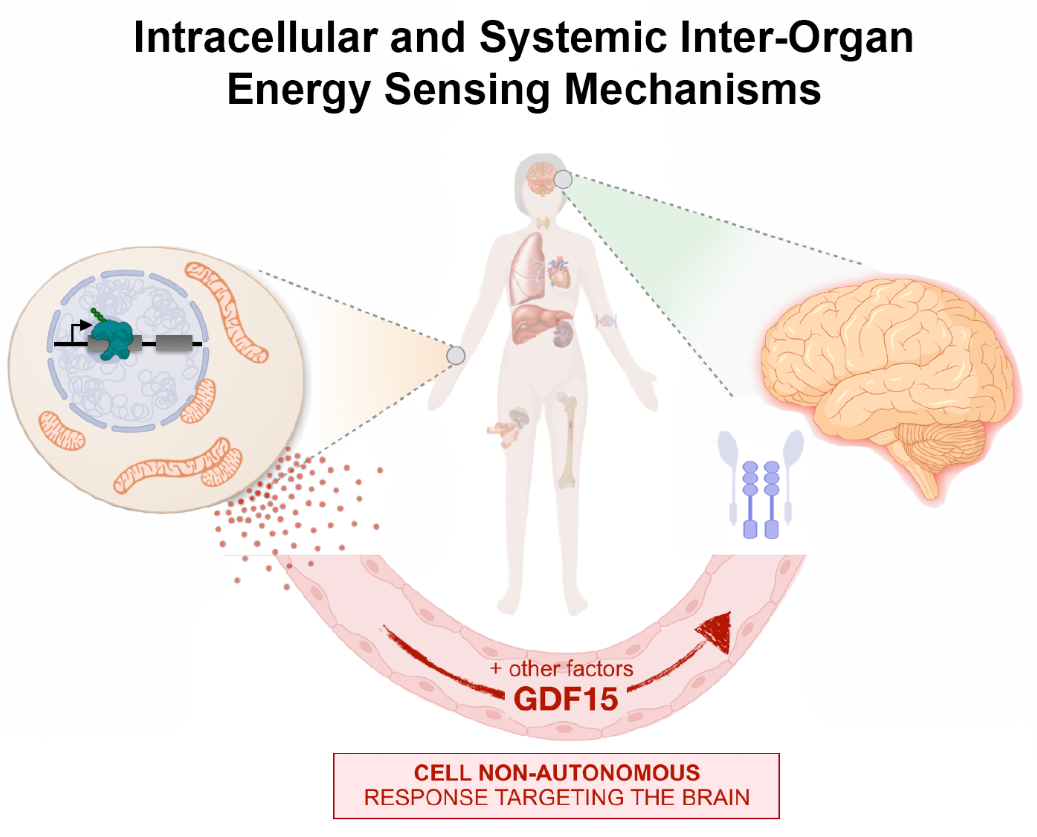
3) Mitoception: Every cell in your body is a metabolic receptor—a metaboceptor—capable of sensing and signaling éR via the energy signaling hormone GDF15.
The brain is particularly sensitive to éR signals, and it transduces éR signals into the subjective experience of fatigue. Mitoception spans the dynamic connection between your body, your brain, and your experiences. It highlights mechanisms that allow the brain-body unit to keep track of cellular energy resistance and (un)sustainable metabolism.
We’ll have more to share on this in an upcoming post, including a new upcoming publication.
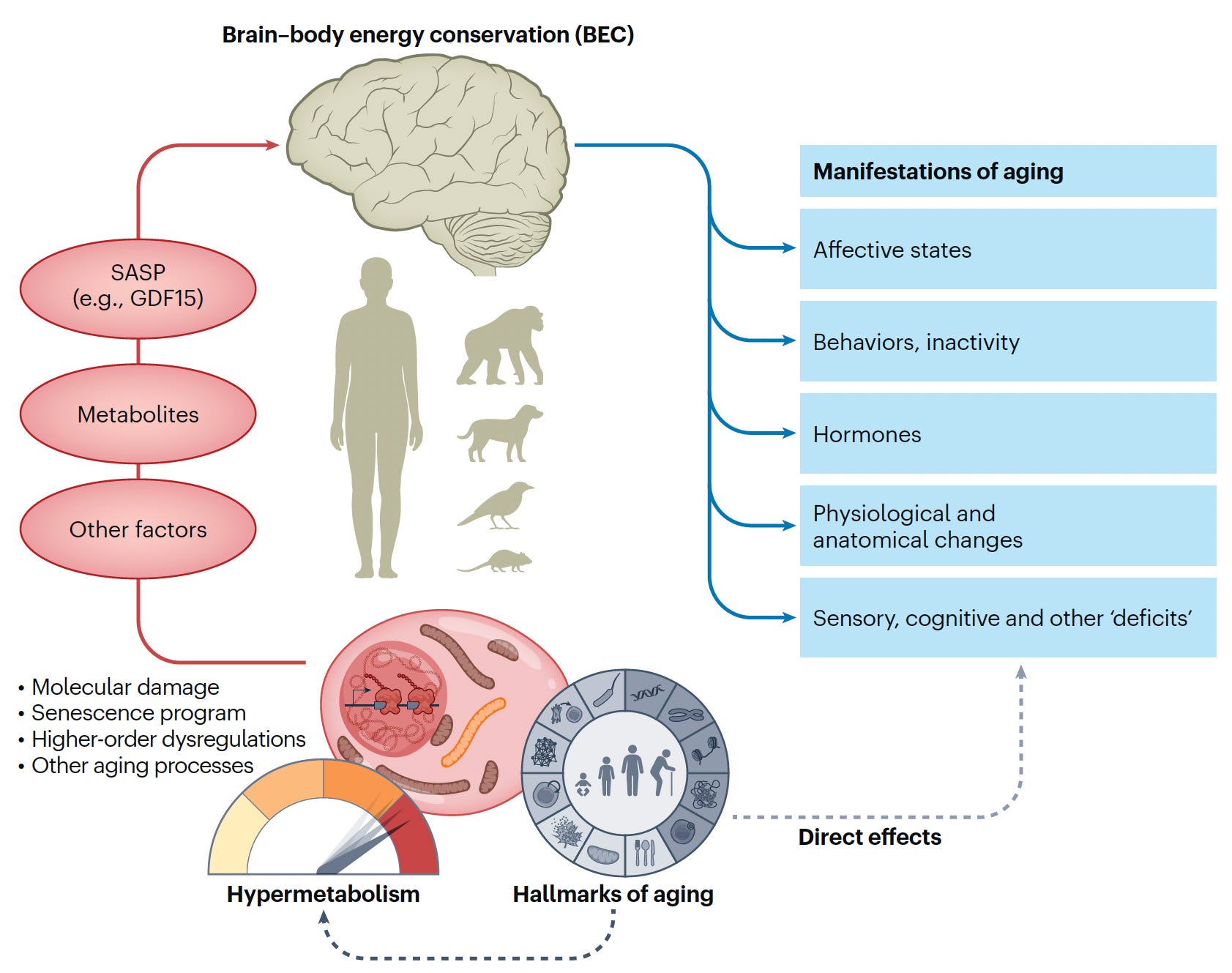
4) Brain-Body Energy Conservation (BEC): In order for each of us to manage our limited energy budgets, our brains are constantly making difficult decisions to cut costs in some areas to keep us alive.
The BEC model applies at the scale of our whole body aging and behavior. It outlines the core pathway underlying the energetic “wisdom” of the body. Biological aging happens when your body sacrifices less essential processes to focus your energy where it is most needed to keep you alive for longer.
What This Means Now
For the first time in history, it feels like we have a clear roadmap with actionable principles that bridge the biology of energy and mitochondria, with meaningful human experiences and disease mechanisms.
These principles together set the stage for a new field of science we call Healing Science—focused on understanding what allows people to grow, health, and transform in response to life’s challenges.
Future TSEE pieces will dig into how these principles can be applied practically—in the clinic, in the lab, and in all of our lives.
If you want to see some of the energetic principles of life animated, visit our website.
Do you have thoughts on how these four principles apply in your own life? We’d love to hear about it in the comments below.
I can't wait to hear more about the practical ways we can maximize and even enlarge our "max capacility". Life is totally a shifting of resources internally and I love how the mitochondia speak to this and the brain controls the shifts. Who ever thought that the brain did that? AMAZING! I feel resources shift when my daughter is struggling and my mental energy goes to how I can best help her. I feel exercise and physical work shifts as I get LESS fatigued. I'm not in love with travel, but when I have to I get sick every time. When I'm sick my body and brain shuts down to hibernate. Sleep is my great, energy restorer. My body tells me how much and when and I've learned to listen. Looking forward to everything on this topic. It really pulls together so much for me.
Yes, good approach.
But the mentioned principles are necessary but not sufficient principles/aspects of life. The sufficient aspect is that living organisms have a mind, a psyche and, moreover, something that animates inanimate matter (i.e. the body), an organizing principle traditionally referred to as the "soul". Something that continues to live on after death, even without a biological body. As long as this is not taken into account in these discussions, it remains a disguised materialism or physicalism.
What we need instead is a post-materialist worldview that takes up and expands upon central elements of vitalism.