


ENERGY SCIENCE
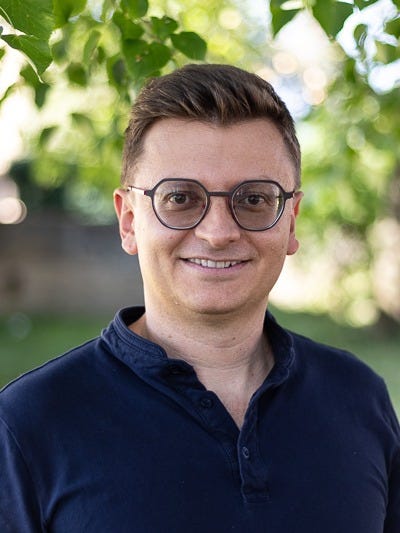
Our TSEE guest writer Michal Cifra is Head of the Research Team in Bioelectrodynamics
and a Senior Scientist at the Institute of Photonics and Electronics of the Czech Academy of Sciences. We reconnected at the recent 2026 Quantum Biology Forum where we shared our collective updates in the ‘ultra weak photon’ space. In this piece, he shares how Biophotoniq
is developing new ways to measure very faint light signals emitted by biological systems and advancing research to better understand what these signals mean.
Biology is more than just a story about molecules. Energy and information are also key characters. From individual mitochondria to cells, tissues, organs, and the whole organism, life depends on the continuous transformation of energy: electrons are transferred, electrochemical gradients are maintained, membranes hold charge, mechanical forces shape tissues, photons and electromagnetic fields are generated, and signals are sensed, integrated, and transmitted. These activities are managed in part using molecular signals, but also many other kinds of biophysical signals—some of which, we are only now just beginning to (re)-investigate and understand.
One of these types of signals is the faint light that is naturally emitted by living systems. Analyzing these light signals could provide us with valuable information on biological states. For example, differences in light signals could one day help detect cancer or provide us with insights on brain activity. We previously discussed how quantum biology and the biophysics of energy intersect with health. And in this post, we build on these ideas by sharing the potential significance of biophotons, efforts to advance how they are measured, and the role they could play in health as indicators of our underlying biology.
Life and Light
Biological systems emit light. Not the visible glow of fireflies, but an extremely faint form of spontaneous photon emission produced by biological chemistry.
In the presence of oxygen, oxidative reactions can create electronically excited molecular states. When those states relax, photons are released. This signal is often called ultra-weak photon emission, biological autoluminescence, biological chemiluminescence, or simply biophotons.
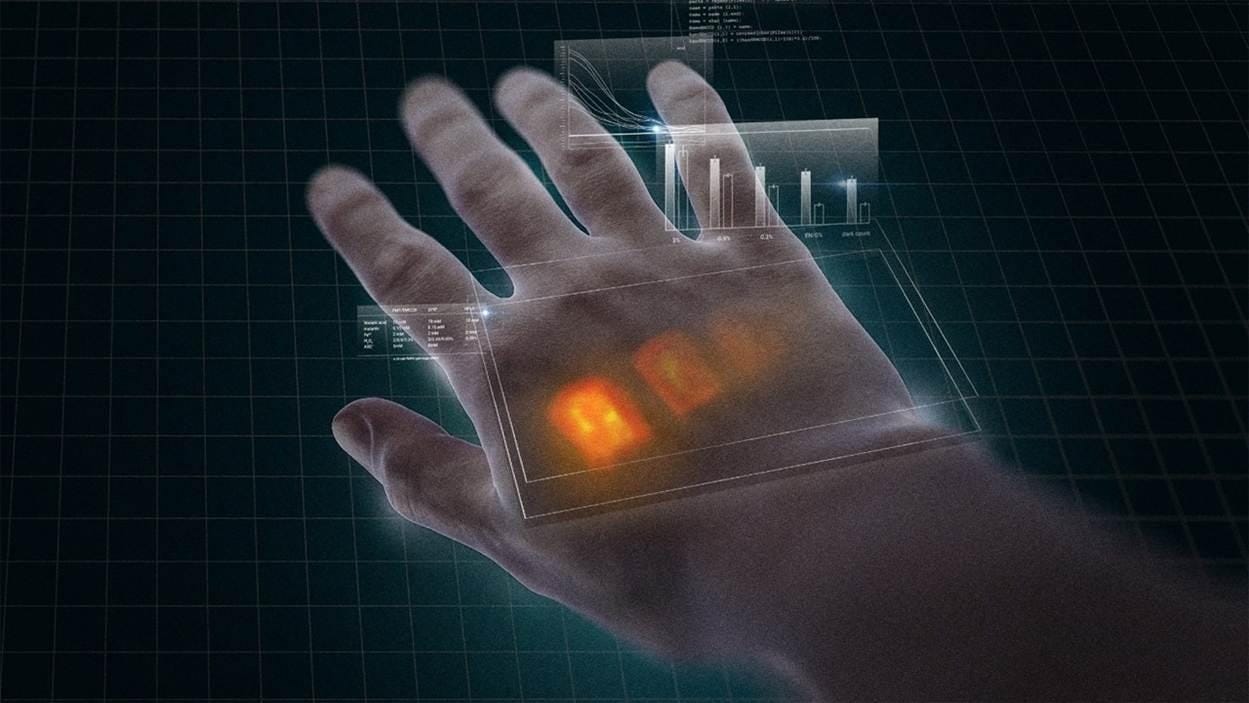
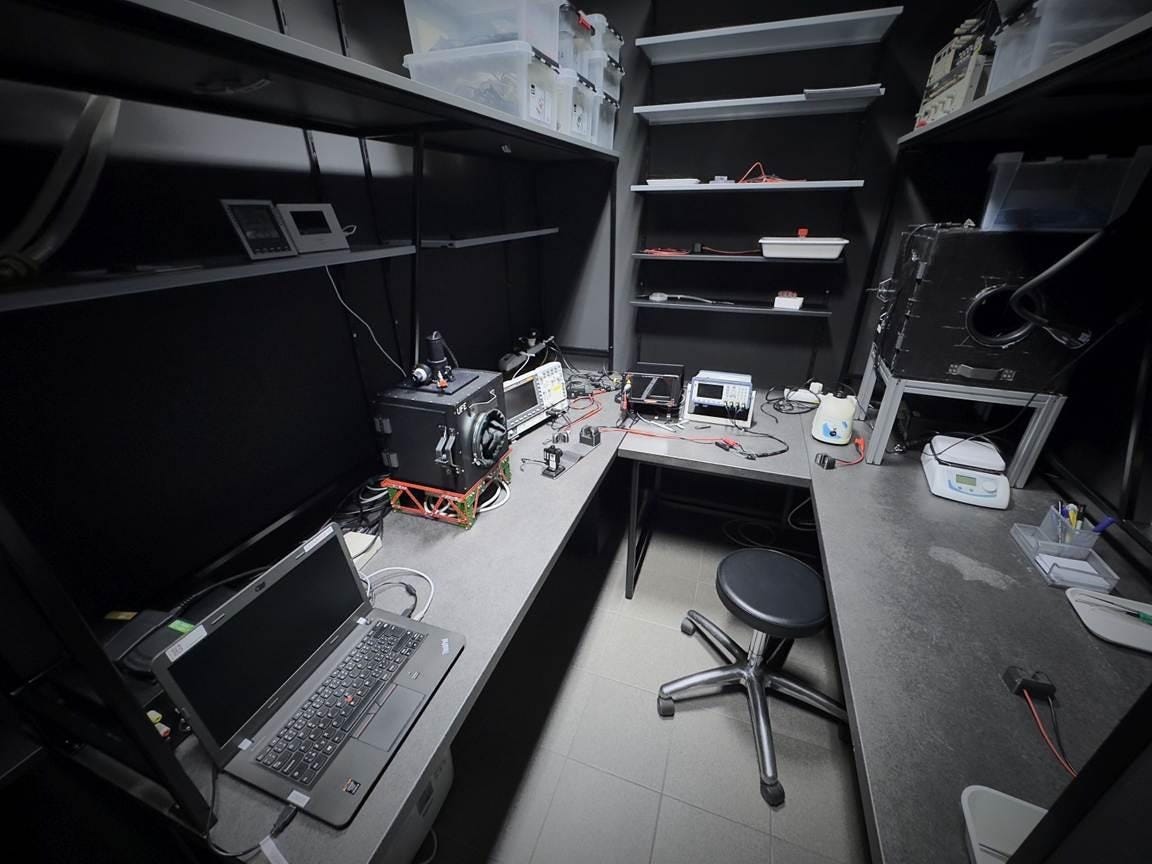
The light signal is far too weak to see with the human eye. Measuring it requires sensitive photon-counting detectors, carefully designed dark chambers, and disciplined experimental protocols.
The technical difficulty is one reason why the field has remained small, scattered, and sometimes hard for outsiders to judge.
There are strong papers, careful laboratories, and promising biological questions in the field, but the community has lacked a shared meeting place, shared standards, and a clear public-facing identity.
Biophotoniq was created to help change that.
Building the Biophotoniq Community
Launched by a group of us at the Bioelectrodynamics research team at the Institute of Photonics and Electronics of the Czech Academy of Sciences, Biophotoniq is an international initiative focused on the measurement and interpretation of ultra-weak light emission from biological systems.
We publicly introduced Biophotoniq at the Quantum Biology Forum 2026. A recording of the launch presentation is available here.
At the heart of Biophotoniq is a simple idea: if biological light is to become a useful scientific signal, the field needs more than isolated measurements. It needs reliable instruments, comparable protocols, shared datasets, open discussion, and careful interpretation.
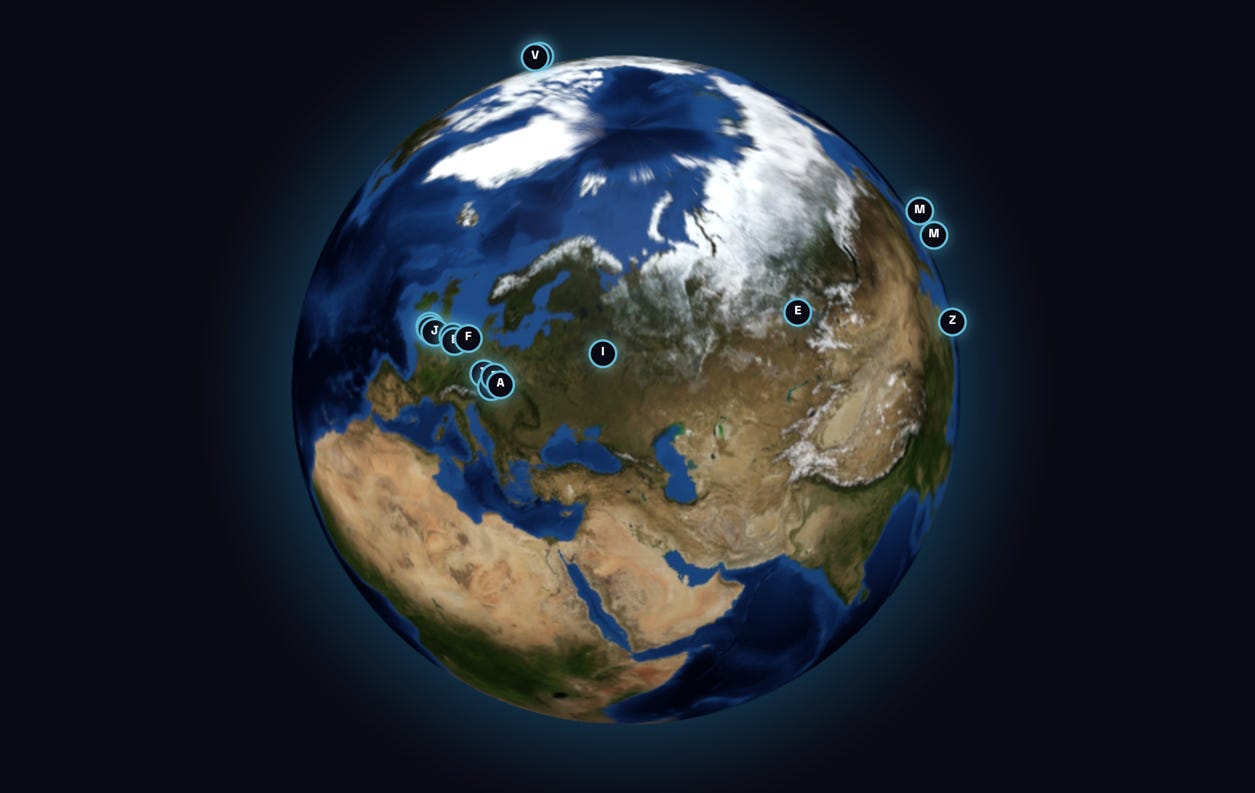
The research and outreach side of Biophotoniq is therefore built as a global community. It aims to connect university laboratories, technical partners, clinical and practitioner-facing collaborators, food and biotechnology researchers, science communicators, funders, students, investors, and companies. Different groups can contribute at different points of the process: building instruments, running measurements, adding physiological or lifestyle context, analyzing photon-count data, sharing results, and communicating the science responsibly.
How Biophontoniq Will Impact the Field
Developing rigorous approaches and standards matters because biophoton signals are sensitive.
A meaningful experiment depends on darkness, detector noise, sample history, temperature, timing, calibration, and statistics. Without common procedures, one laboratory’s result may be difficult to compare with another’s. Biophotoniq is trying to make the field easier to enter, easier to reproduce, and easier to build upon.
The technology side of the initiative is equally important. Biophotoniq is developing precision tools and services for ultra-weak photon detection, including light-tight dark chambers, photomultiplier-based systems, hand luminescence measurement setups, photon analytics, and measurement services for biological and material samples.
The applications already extend beyond human skin. They include oxidative-stress assays, antioxidant testing, biological autoluminescence imaging, pulsed-electric-field studies, fermentation monitoring, seed and plant stress phenotyping, food quality research, and custom instrumentation.
A central aim of the technology branch is to make ultra-weak photon detection both rigorous and usable.
We need instruments that are robust and single-photon sensitive, yet accessible and affordable, and that can operate across a wide variety of conditions—not only in the lab, but on-site and in the field.
See the video below for robust, field-ready biophoton measurement in action outside the lab.
Measuring Biophoton Emission From Our Skin
Human skin is one of the most visible frontiers. Skin can be measured non-invasively, without dyes or external excitation. Its natural photon emission may carry information about oxidative and metabolic processes, physiological variation, aging, lifestyle factors, and possibly certain disease-related states.
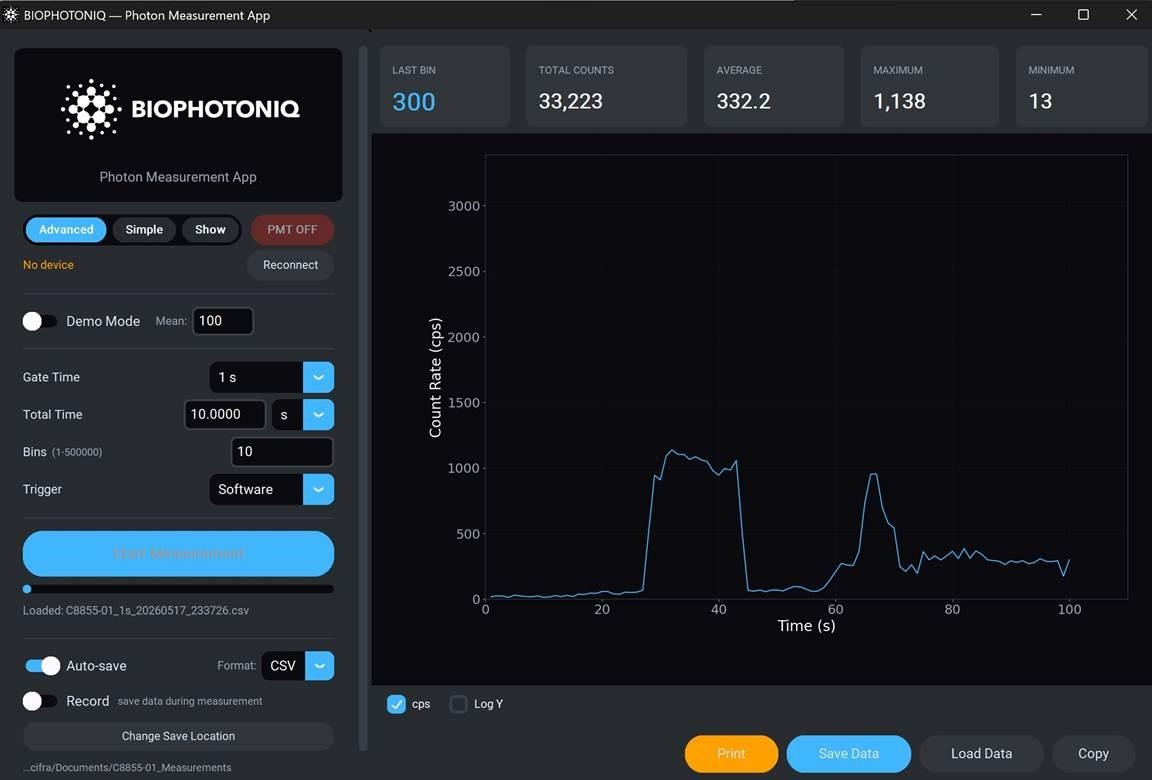
That does not mean it is already a medical diagnostic test. The responsible next step is to be approached carefully. We need to collect better data, standardize how measurements are done, link signals to well-described biological contexts, and test what the signals can and cannot tell us.
One longer-term goal is a Global Human Biophoton Atlas: a reference resource for human skin photon emissions across ages, conditions, environments, and study designs. Such a dataset could help researchers understand normal variation, identify confounding factors, compare methods across sites, and explore whether biophoton signals can become useful biomarkers for diagnostics, prevention, dermatology, aging research, redox biology, and health monitoring.
Public Engagement and Open Questions in Biophotonics
Biophotoniq also includes Ela Světlá, an AI-based science communication chatbot focused on biophotons, redox biology, and related interdisciplinary topics. Ela helps visitors ask questions about biophoton science, measurement methods, instruments, and literature. She provides educational information rather than medical advice, which is an important boundary for a field that needs both public communication and scientific caution. More information about Ela is available here.

Researchers, students, clinicians, technologists, funders, investors, companies, and science communicators are invited to join the Biophotoniq network here.
Biological light has been measured for decades. A key open question is whether it can now be measured at the scale, quality, and consistency needed to become a serious research and translational platform.
If so, this could provide many exciting new directions for science and medicine. Could measuring biophoton emission from skin ultimately provide a fast, noninvasive way to peer into aspects of our biology and health?
Biophotoniq is taking a concrete step towards creating the tools that will allow us to answer these questions.

Resources and Further Reading
Quantum Biology Forum 2026 Biophotoniq launch recording
Telegram direct messaging with Ela Světlá bot
Thank you for joining us on the journey to building the foundation for the next phase of evolution for biomedicine.
Please leave a comment to share how this perspective aligns with your experience, and consider sharing this post.
Great stuff, Michal and Nirosha. Thank you for sharing this with the community!
A great development, really amazing step. I think big things are going to show in near future as tech is really developing like crazy..
Thank you for the share