

BEHIND THE PAPER
Full-Text Link to Primary Source
“A new type of thinking is essential if mankind is to survive and move toward higher levels.” — Albert Einstein
The atmosphere was electric.
Forty experts from across the world were coming together with one goal: to advance the emerging field of metabolic neuropsychiatry.
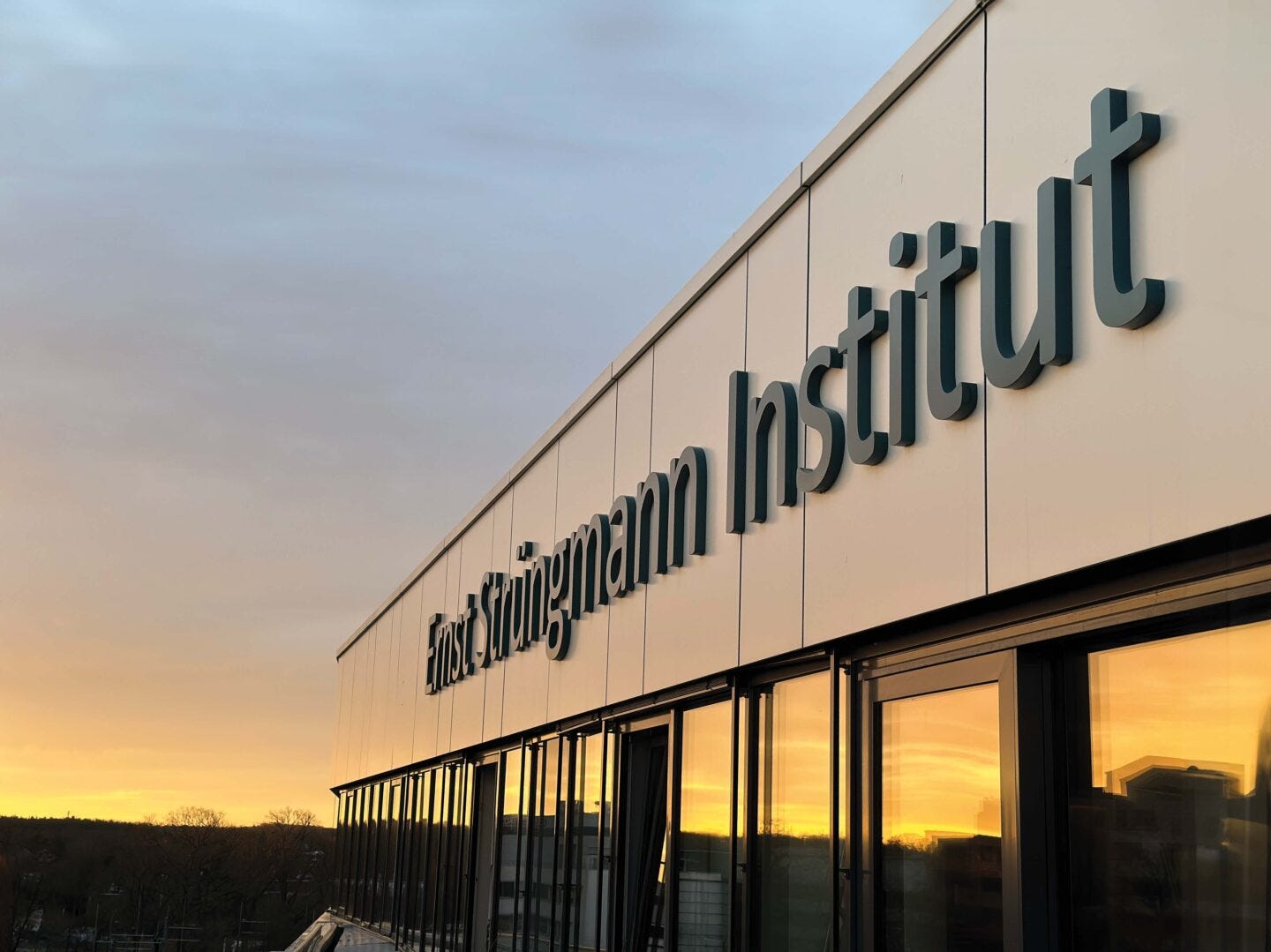
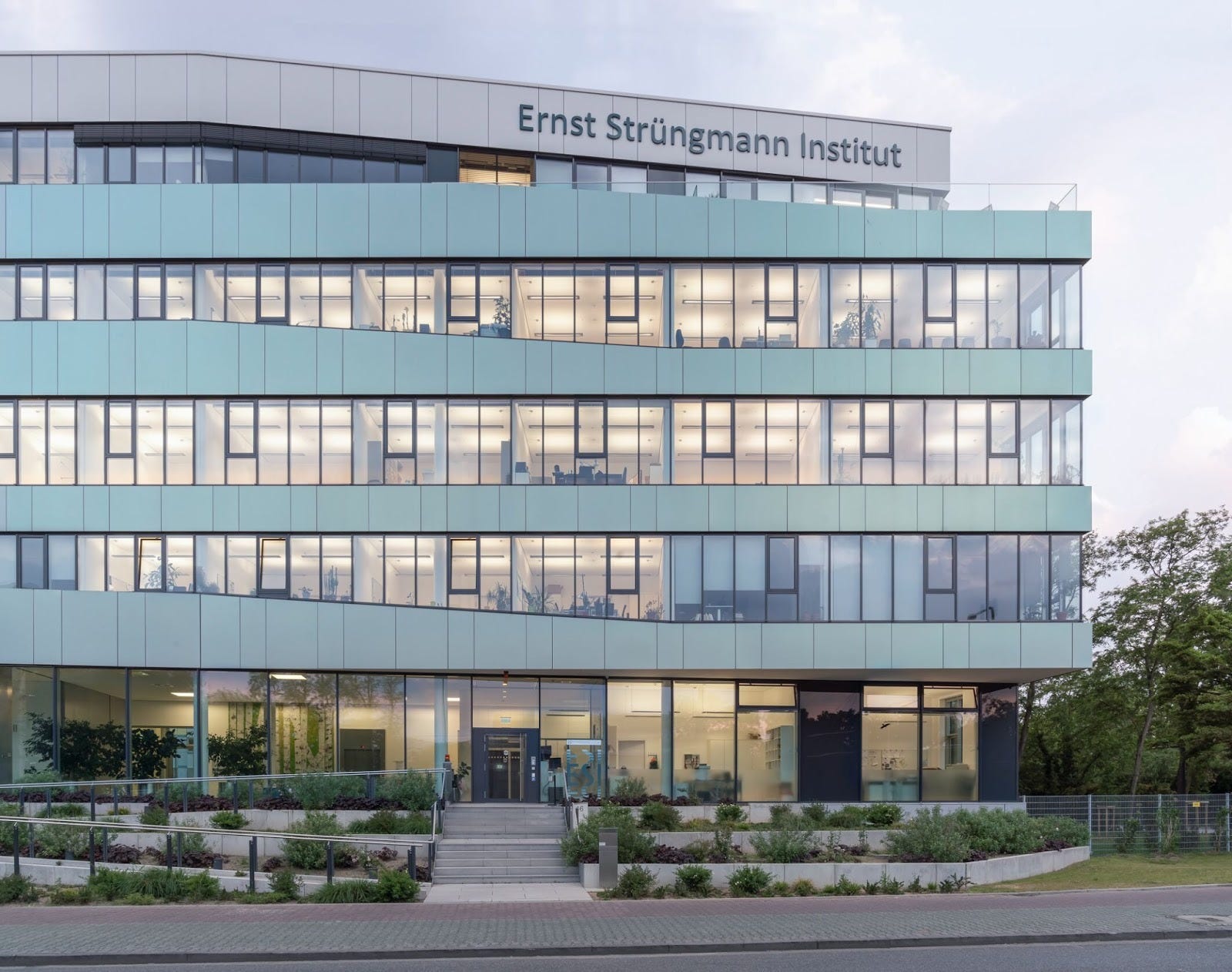
As our bus pulled up to the Ernst Strüngmann Institute in May of 2024, the modern metal and glass building appeared to glow as it reflected the morning sunrise. A busy week lay ahead, and we were ready and eager to begin.
But how did we get there, and why was this meeting so important?
The Right Time to Leverage Growing Momentum
Researchers are continuing to push the boundaries of knowledge, and in doing so, sometimes find themselves in uncharted territory. We end up outside of our immediate discipline without the tools, the language, or the frameworks necessary to make progress on important problems.
In terms of understanding brain energy metabolism and how it could contribute to psychiatric conditions, we are there. A little lost. And we needed direction.
Even after hundreds of years of inquiry and formal research, people with psychiatric conditions don’t have many options for effective and tolerable treatments that improve their health and quality of life. We now have substantial evidence that energy metabolism is involved in the development of mental illnesses, and we believe that interventions that address energy metabolism may hold the key to better treatments.
Dost Öngür, a psychiatrist at Mass General Brigham’s McLean Hospital and researcher at Harvard Medical School, saw the gaps and—in his words—“started the mischief.” He had participated in a prior Ernst Strüngmann Forum, and he knew that these meetings provide unique opportunities for in-depth interdisciplinary scientific discussion.
Over more than a decade, Dost’s research had begun to focus on brain energy metabolism, the role that metabolism plays in brain function, and its role in brain dysfunction in psychiatric disorders.
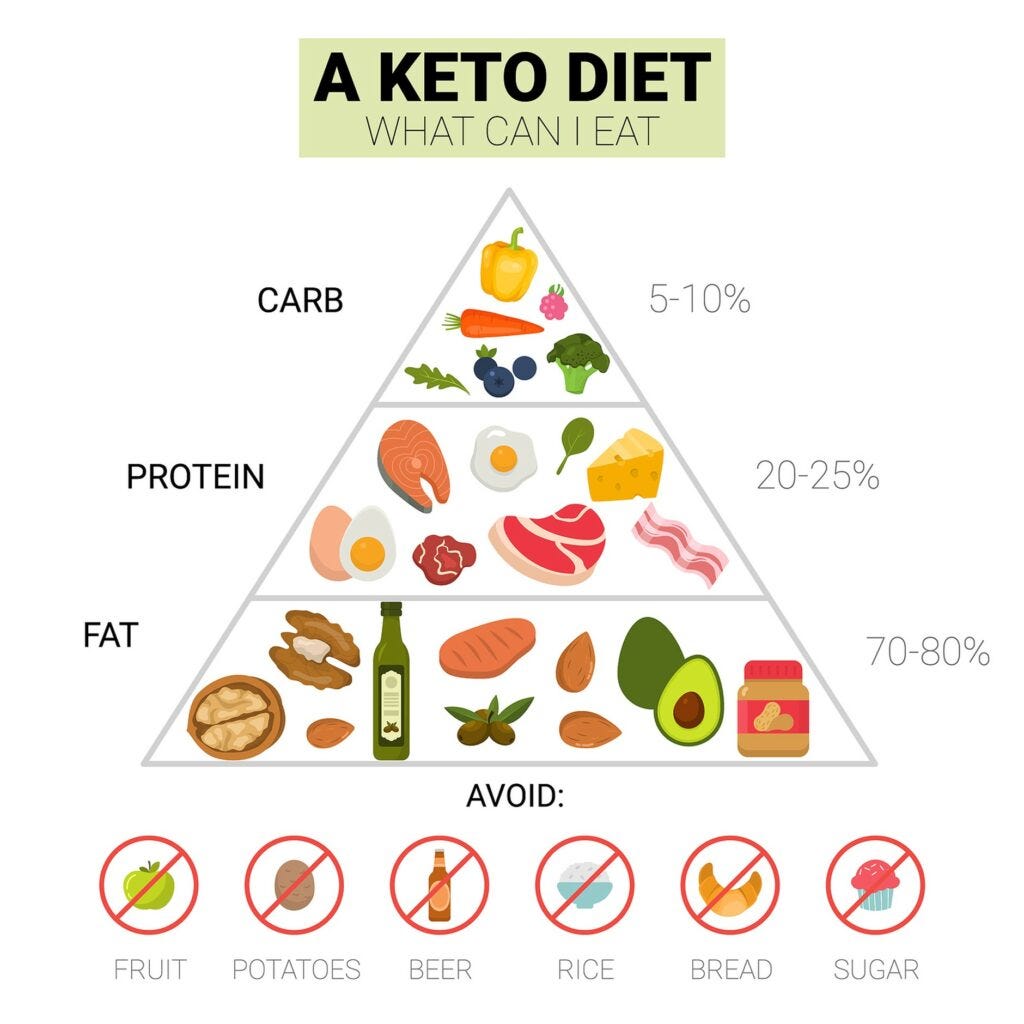
What was once “a sleepy corner of psychiatry research” ten or fifteen years ago had gained a lot of traction and was now a dynamic and rapidly growing field. Major neuroscience societies are now accepting metabolism-focused symposia proposals, research grants are being funded, breakthroughs are rewriting what we know about the brain, and lifestyle interventions (like the medical ketogenic diet) are showing real-world benefits for patients with depression, bipolar disorder, and schizophrenia.
Dost recognized the value that advances in basic neuroscience in this area could provide for psychiatrists, researchers studying psychiatric disorders, and, importantly, patients and their families. This was a critical moment, and he had to act.
The field needed to synthesize what was already known and make a research agenda with recommendations for the future. The Ernst Strüngmann Forum was the perfect fit.
Crafting A Compelling Proposal
For the Forum to have the most impact, Dost wasn’t looking for an echo chamber. He wanted to highlight the growing interest and collaboration amongst researchers in mainstream psychiatry. This forum had to show the world that advances will emerge from a greater understanding of energy metabolism and brain function that are relevant for psychiatric research and psychiatric disorders.
Dost reached out to his longtime friend and colleague Judith Ford about writing the Forum proposal together, and he was delighted when she accepted. Judy is a distinguished researcher on schizophrenia and psychotic disorders currently working at the University of California, San Francisco and the San Francisco VA Health Care System. She is also President of the Scientific Council at the Brain & Behavior Research Foundation, the top non-government funder of mental health research in the U.S.
With many contributions over the course of her career, Judy’s name was familiar to most in psychiatry, but she was relatively new to research on energy metabolism in the brain.
Judy’s involvement in this proposal symbolized something bigger: this isn’t just metabolism researchers preaching to the choir—leaders in the field of psychiatry are joining in.
Dost and Judy worked together to get their vision down on paper, and they submitted a proposal to the Ernst Strüngmann Foundation. The Foundation was interested, and their proposal was accepted. This launched the Foundation’s highly structured process of preparing for the Forum.
Creating the Dream Team
Once the proposal was accepted, Dost and Judy assembled their Program Advisory Committee, which spanned the full translational spectrum. Committee members were chosen based on their expertise in distinct but overlapping areas relevant for metabolic neuropsychiatry.
Role of Metabolism in Brain Function: Zoltan Sarnyai (James Cook University, Australia)
Metabolic Abnormalities in Neuropsychiatric Disorders: Kim Do (Lausanne University Hospital, Switzerland)
Systemic Metabolic Aspects of Neuropsychiatric Disorders: Rachel Upthegrove (University of Oxford, England)
Metabolism-Based Therapies: Lilianne Mujica-Parodi (Stony Brook University, U.S.)
Julia Lupp, Director of the Ernst Strüngmann Forum, was an instrumental part of the Committee as well, and she kept the group on track throughout the whole process. She embodied, in the most productive way, the German spirit of rigor, sticking to timelines, and planning. German precision in action!
The Committee members were required to meet in-person to determine the scope of what they would accomplish, and the four relevant topics the forum would address. Each would then invite nine people, for a total of 10 per working group, focused on each of these four topics. Then, they set the date for the Forum and began sending invitations.
When I received an invitation from Julia and Zoltan, a colleague and collaborator I had known for several years, I wasn’t familiar with the Ernst Strüngmann Foundation or their Forums. But based on Julia and Dost’s description of what they were aiming to do, and additional information directly from Dost, my answer was an excited “yes.”
My birthday is on May 18th, and the meeting would go till the evening of May 17th, so I would have to fly back on my birthday. This science meeting focused on that important clinical problem felt momentous enough that this was well worth it.
This was going to be a meaningful meeting, and I felt that I had a lot to learn—more than I had to contribute, in fact. I wanted to be part of it. I cleared my calendar for May 12–17, 2024. And I spent a lot of time leading up to the meeting thinking about how my work fit into the broader landscape of metabolic neuropsychiatry and what we could do to maximize our impact.
Not Your Average Conference
For professors, scientific conferences typically involve listening to talks on recent research, browsing the boards at poster sessions, supporting your trainees (and keeping them calm, advising when useful) as they prepare to give their first presentations, networking, and catching up with colleagues over coffee.
This was not that.
The Ernst Strüngmann Forum was an intensive, highly organized event. The activities and itineraries have been honed over years of experience to produce results. The buzz of activity at the research institute where the event was hosted set the tone for the Forum as serious, collaborative, and productive.
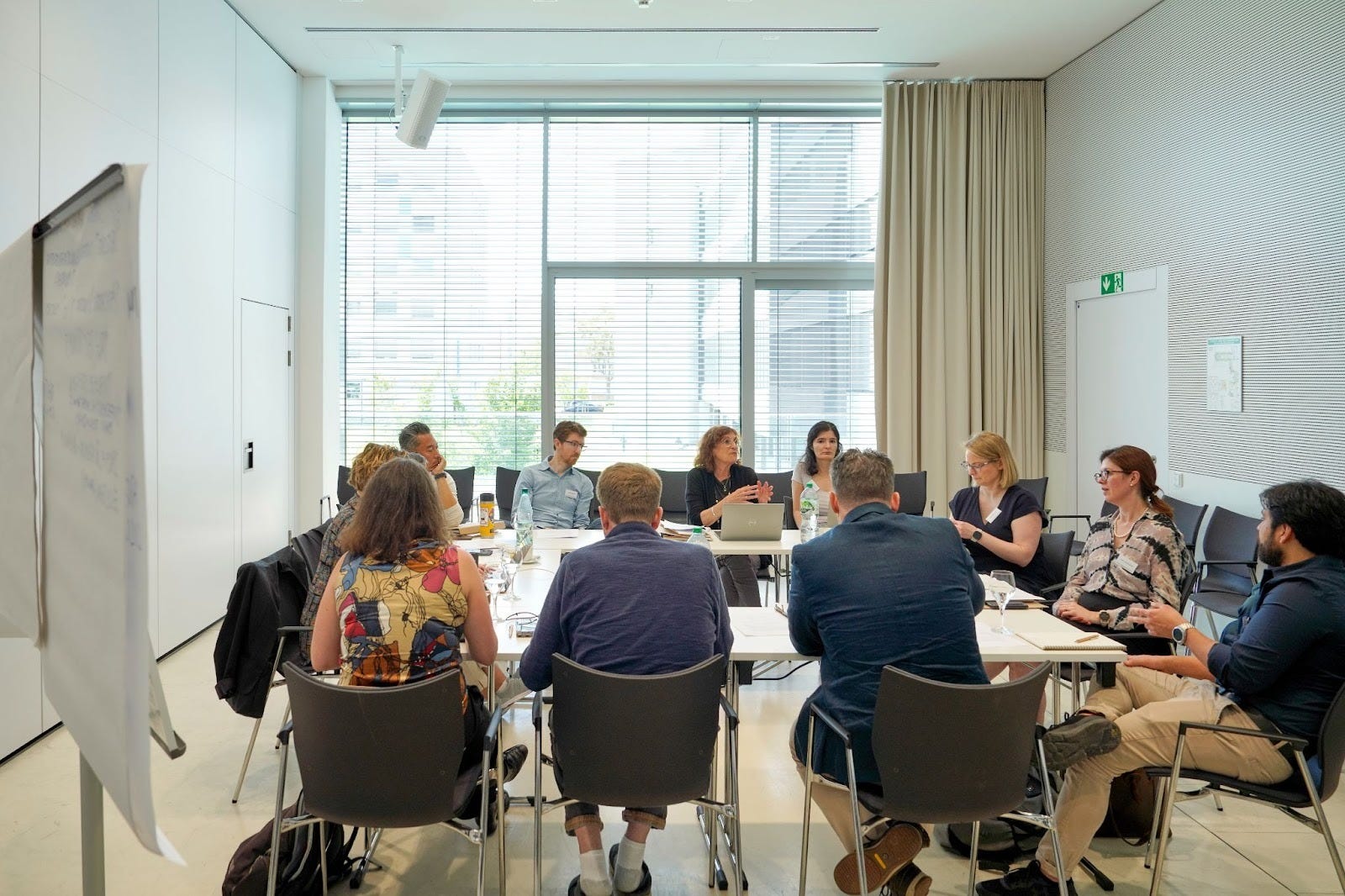
We had no distractions, no competing obligations, and a mandate to walk away with concrete deliverables.
By the end of the week, we had to produce an outline of a finished product—a book detailing the best ways to address the most pressing issues in metabolic neuropsychiatry. Once completed, the book would be widely disseminated. No pressure, right?
The Forum’s format and team kept the group moving forwards to this goal throughout the week.
Day 1: Opening plenary, establishing scope and goals, and working group break-out sessions.
Day 2–3: Deep debate within and across working groups.
Day 4: Stop discussing and start writing. Working groups drafted their book chapter outlines.
Day 5: Presentations of drafts, synthesis, and celebration.
A key aspect of the forum was bringing together people who normally wouldn’t cross paths to sit together in the same room to solve shared problems. For example, as a researcher with expertise on mitochondrial signaling pathways, I had the opportunity to talk in depth with clinicians running clinical trials of nutrition for schizophrenia.
These are the kinds of conversations that could unlock entirely new therapeutic strategies. For example, this led a couple groups, including one led by Sharmili Edwin Thanarajah, to measure the blood energy resistance (éR) marker GDF15 in their study of depression.
Depression is associated with elevated blood GDF15 levels.
And we’re now collaborating with Dost and his colleague Virginie-Anne Chouinard from McLean Hospital on a ketogenic diet study in people with bipolar disease. Our lab will measure GDF15 in blood and saliva from their study participants before and after a few months on the ketogenic diet.
The dialogue didn’t stop when the group left the research institute at the end of each day. We continued discussions as we ate dinner together. On a couple nights, we stayed up late engaged in scientific debate after watching a performance at the local theater. Discussions resumed over breakfast and on the shuttle back to the institute the next morning.
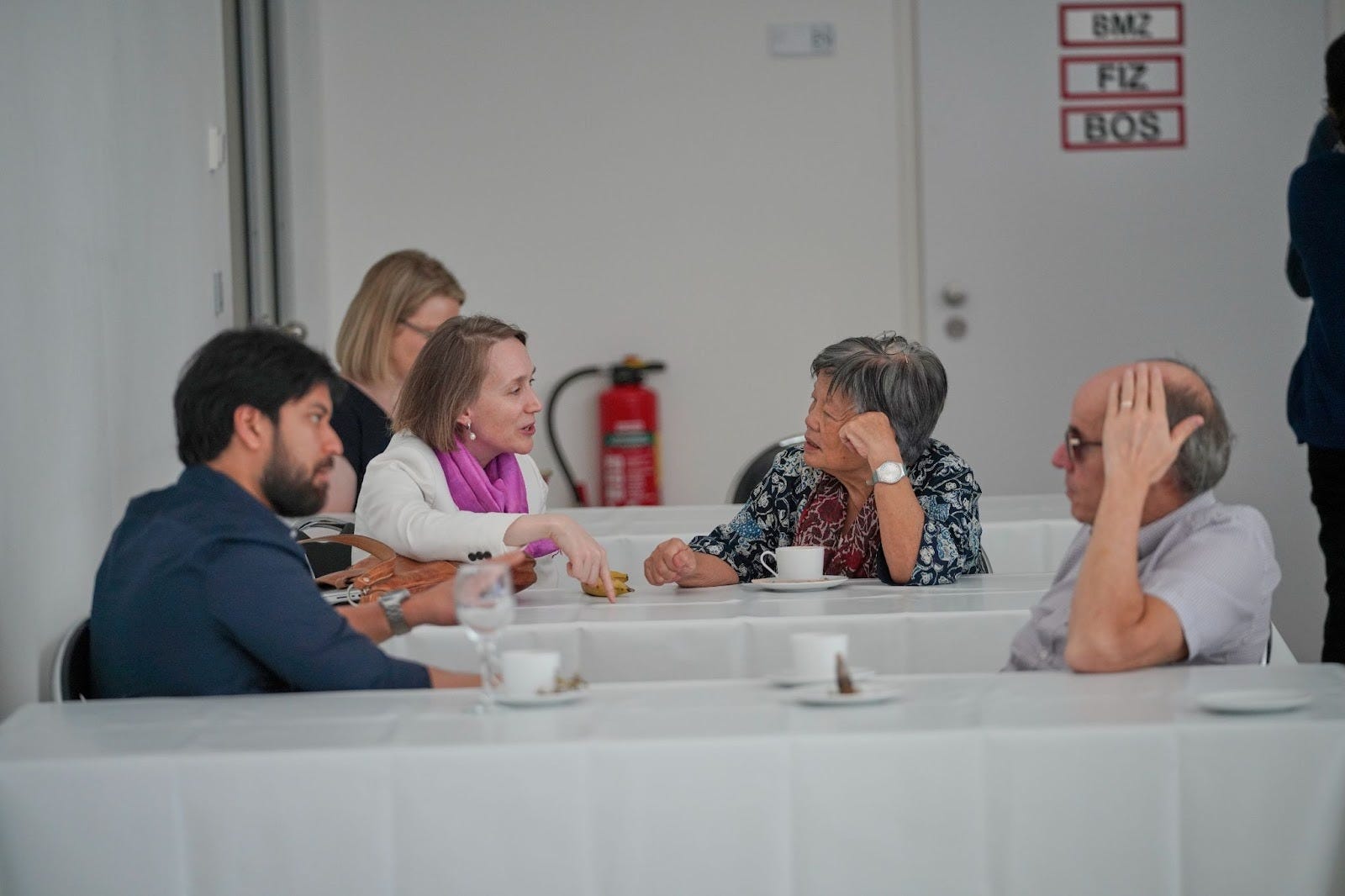
The full social immersion was intentional—the Forum’s success depended on building shared language and trust among experts who were each coming in with their own perspectives and ideas, and who didn’t always agree.
“They want disagreement and creative tension,” Dost explained. “But they also want a way to resolve it by the end of the week.”
Meeting the other attendees and being part of the conversation as a member of the working group focused on the role of metabolism in brain function was an unforgettable experience. There was so much expertise—ranging from molecular and cellular processes related to energy metabolism and mitochondria to synaptic biology to brain homeostasis and physiology across the lifespan. Pretty amazing.
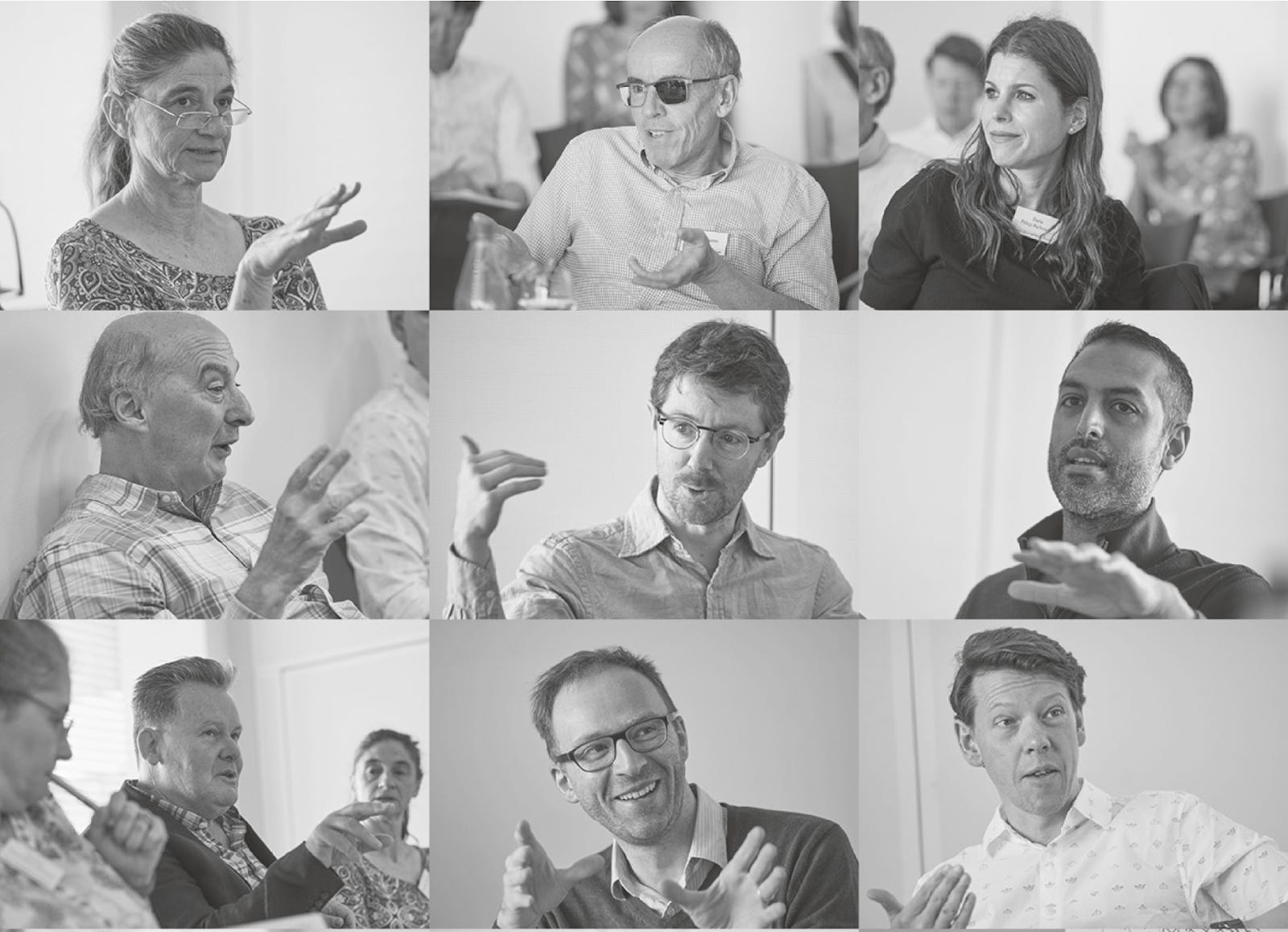
There was so much passion, so much enthusiasm, and so many great ideas shared within those several days. It was somehow simultaneously energizing, inspiring, and exhausting.
Despite the disagreements that arose, including how to balance representation of neuroscience and clinical work, there was an overarching sense of unity around our common purpose.
Why This Forum Matters For Everyone, Not Just Academics
The implications of metabolic neuropsychiatry aren’t just about advancing ivory tower science.
In the U.S., about one in five adults live with a mental health condition and about one in five adolescents have a diagnosed mental or behavioral health condition. Poor mental health is common across the globe, and it can have debilitating and tragic consequences.
There isn’t one “silver bullet” that will solve everything.
Dost emphasized that, “the brain is such a dynamic, complex system, and anything that you do to intervene creates compensatory responses and feedback and feedforward circuits… Things are going to be changing all the time.” He explained that instead of searching for one target, we have to make progress on multiple fronts. We should focus on “understanding the complex web of relationships that form brain metabolism, and then how that actually impacts brain function and dysfunction.”
There are two key takeaways from the discussions that occurred at the Forum that have the potential to shape not only research, but also how we think about our own health.
The brain and the rest of the body are connected. We have to think of mental health conditions and neurodegenerative disorders as whole body disorders. Fixing one thing in the brain is unlikely to cure or prevent the problem. We have to consider what is happening in the brain and the rest of the body when we are developing treatments for these conditions.
Our approach to health needs to focus on whole-person health. How people sleep, eat, move, and live have implications for mental illnesses in addition to their brain chemistry and brain physiology. To get the best possible outcomes, we should be working to improve the health of the whole person, including their lifestyle and their individual experiences.
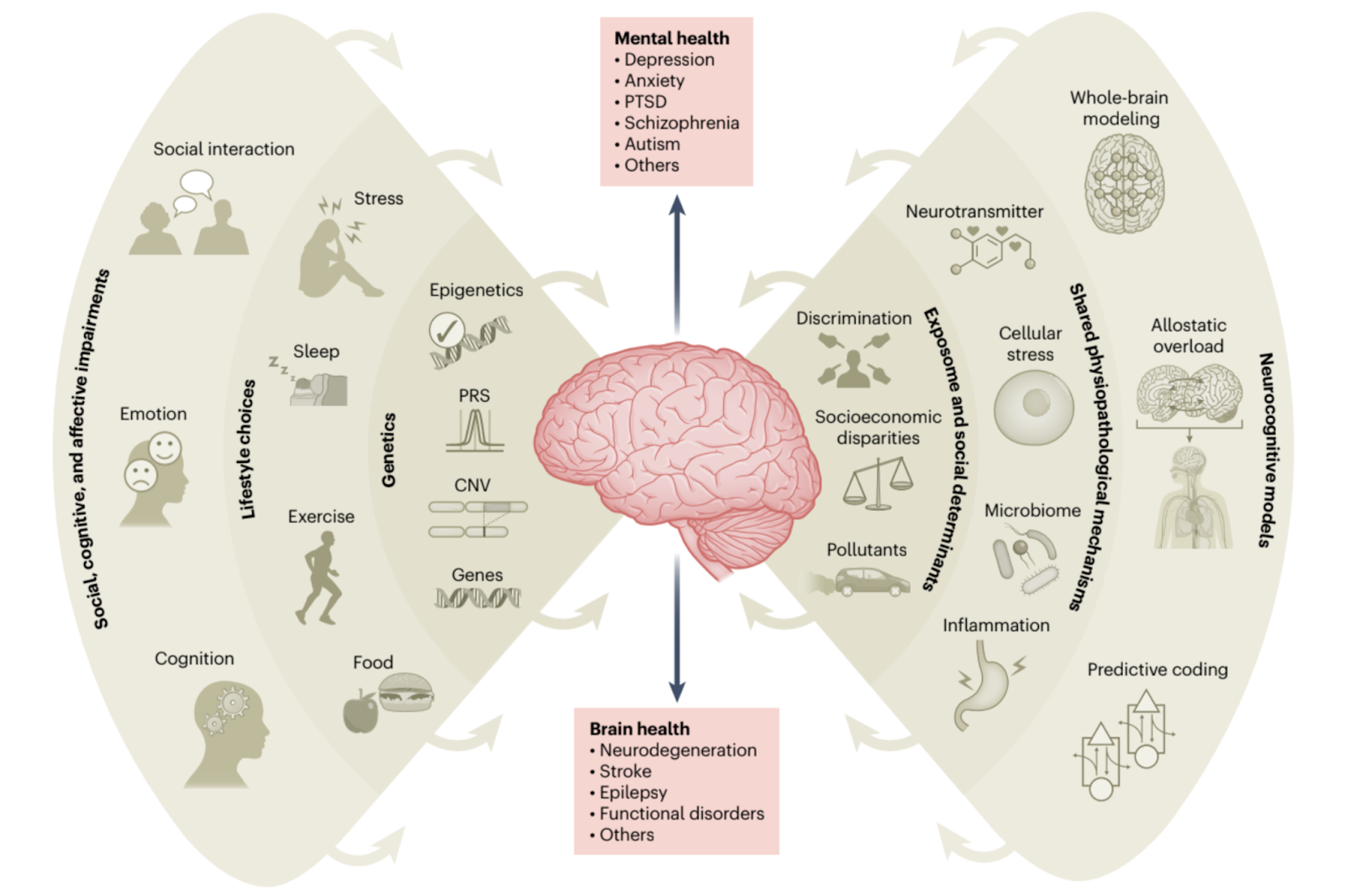
While there won’t be a one-size-fits-all solution, there are currently evidence-based interventions, such as the medical ketogenic diet (for more information, see Metabolic Mind), that could help a lot of people. And these kinds of interventions are overwhelmingly not being used in clinical practice right now. Our goal is to bring the best science to understand who it benefits most, and how to make it accessible.
The complete Metabolic Neuropsychiatry book from the Forum is freely available (downloadable as a PDF—thank you, Ernst Strüngmann Forum!) for anyone anywhere in the world to read, share, and build upon. Sharing the findings and research agenda from the Forum as an open access book amplifies the impact significantly, and it highlights that this is an active field where a lot of excellent work is being done.

The Ernst Strüngmann Forum on Metabolic Neuropsychiatry didn’t just publish a book. It opened a door.
The growing field of metabolic neuropsychiatry has the potential to change how we view and treat mental illness and to give us a glimpse into the cellular-level processes that shape our minds and make us human.
By reframing psychiatric disorders as metabolic disorders of the brain—deeply tied to mitochondria, physiological systems, and environmental context—we widen the net to include new treatment approaches and help eliminate enduring stigma surrounding mental health issues.
Thank you for joining us on this journey to develop a science of healing. If this work at the intersection of the science and experience of energy resonates with you, please share this Substack with your community.
Wow, thanks for sharing this Martin! This is such a powerful “lens upgrade” for neuroscience: not treating mitochondria as generic background infrastructure, but as spatially patterned, functionally specialized energy systems that may help explain why different brain regions show different vulnerabilities across aging and neuropsychiatric disease. The moment you start thinking in terms of an energetic landscape (instead of a uniform “brain metabolism”), a lot of otherwise-disconnected findings snap into a coherent map. 
As a physician-scientist, what I especially appreciate is how you’re making “brain energy” operational rather than metaphorical: how many mitochondria are where, what they’re doing, and what that implies for resilience vs failure modes. That’s the kind of framework that can actually bridge across levels “molecules → circuits → symptoms” without reducing everything to neurotransmitter slogans. 
And the broader arc you’re building (genetics → energetics; science → lived experience) feels like the right next step for the field: we’ve gotten very good at naming parts, but we still struggle to explain state shifts (fatigue, anhedonia, “brain fog,” stress collapse) in a way that respects biology and experience. An energetic model has the potential to unify that.
This is an amazing symposium. I need to go back and read it again to give it proper justice. Looks like an amazing gathering of learned, experts in their own fields sharing their knowledge and experiences with everyone else on a very important topic. Perhaps brain, body, environment mitochondria are not so distinct. They influence each other tremendously.